Accelerating Army Readiness: Changes in Acquisition and Strategy Amid Global Tensions

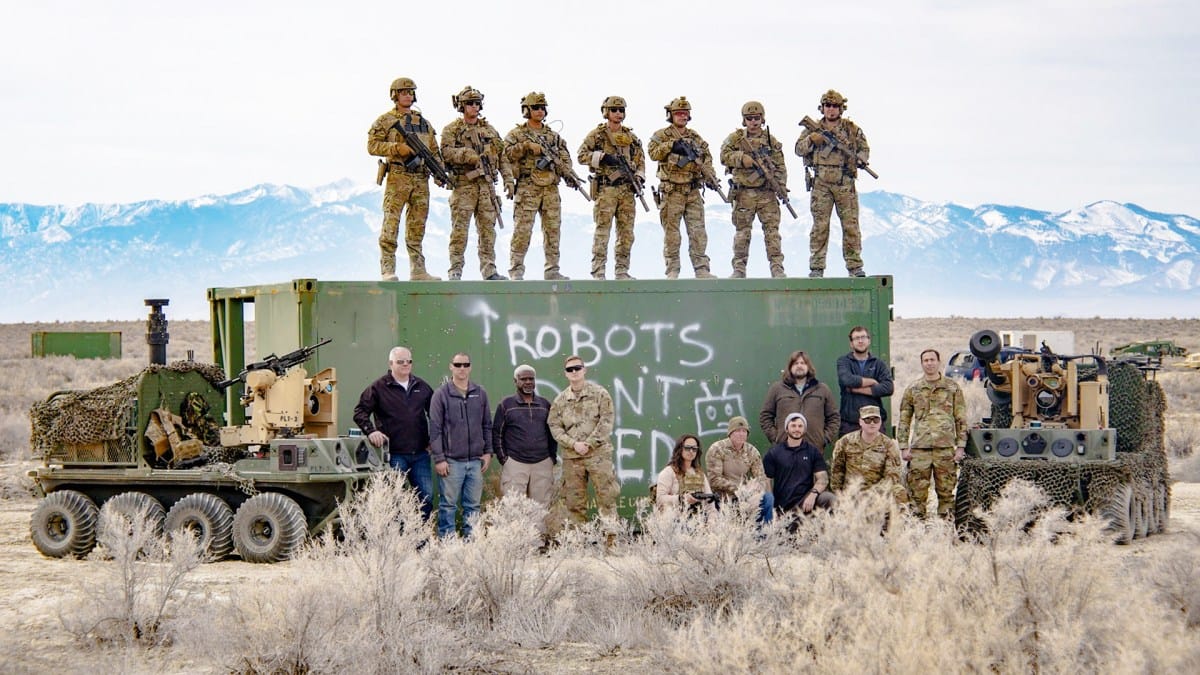
The U.S. Army is at a pivotal crossroads as it adapts to evolving battlefield dynamics, particularly highlighted by the rapid developments in Ukraine. As the Pentagon looks to enhance its operational readiness, a multifaceted approach to acquisition and training is emerging, characterized by increased access to testing ranges and a push for more agile procurement processes.
What Happened
The Army is scaling back barriers to its premier testing ranges, a move aimed at expediting the development and procurement cycle of new military technologies. This strategic shift is essential as the Army faces the pressing need to deliver new gear to troops at a pace that matches the fast-evolving landscape of modern warfare, particularly in response to lessons learned from the conflict in Ukraine.
Moreover, the Army's adaptation is being further stressed by the ongoing global tensions, notably with Iran. The Pentagon is reportedly considering leadership changes within the Army to align more closely with contemporary strategic priorities, reflecting a commitment to an aggressive stance in defense policy.
The Strategic Calculus
As the Army redefines its acquisition system, several key factors are influencing this transformation:
- Accelerated Delivery: The Army must prioritize getting new technologies and equipment into the hands of troops faster than ever.
- Agility in Procurement: The evolving nature of warfare necessitates a more flexible acquisition process that can quickly respond to emerging threats.
- Joint Operations: Collaboration with allied forces, as evidenced by recent sniper competitions at Fort Bragg, is crucial in refining tactics and ensuring interoperability.
The recent sniper competition, which featured elite teams from various services and partner nations, underscores the Army's commitment to maintaining high standards of operational readiness and effectiveness. This competition not only serves as a platform for showcasing skills but also reinforces the importance of joint exercises in enhancing tactical proficiency.
What Comes Next
The Army's current trajectory suggests that we will see:
- A continued push for streamlined access to testing facilities, fostering rapid experimentation and validation of new systems.
- Increased emphasis on agile acquisition practices, as leaders work to implement lessons learned from the battlefield.
- Potential shifts in leadership that align with a more aggressive defense strategy, particularly as geopolitical tensions rise.
Looking ahead, these initiatives will be vital for the Army as it navigates a complex global landscape. The ability to adapt quickly and efficiently will not only enhance the Army's operational capabilities but also reassure allies and deter adversaries. As the Pentagon moves forward with its plans, the integration of lessons learned from current conflicts will play an essential role in shaping a more responsive and effective U.S. Army.
Sources: Twz, Twz, Defensenews, and Defensenews