Accelerating the Future of Army Aviation: The MV-75 Tiltrotor Cheyenne II

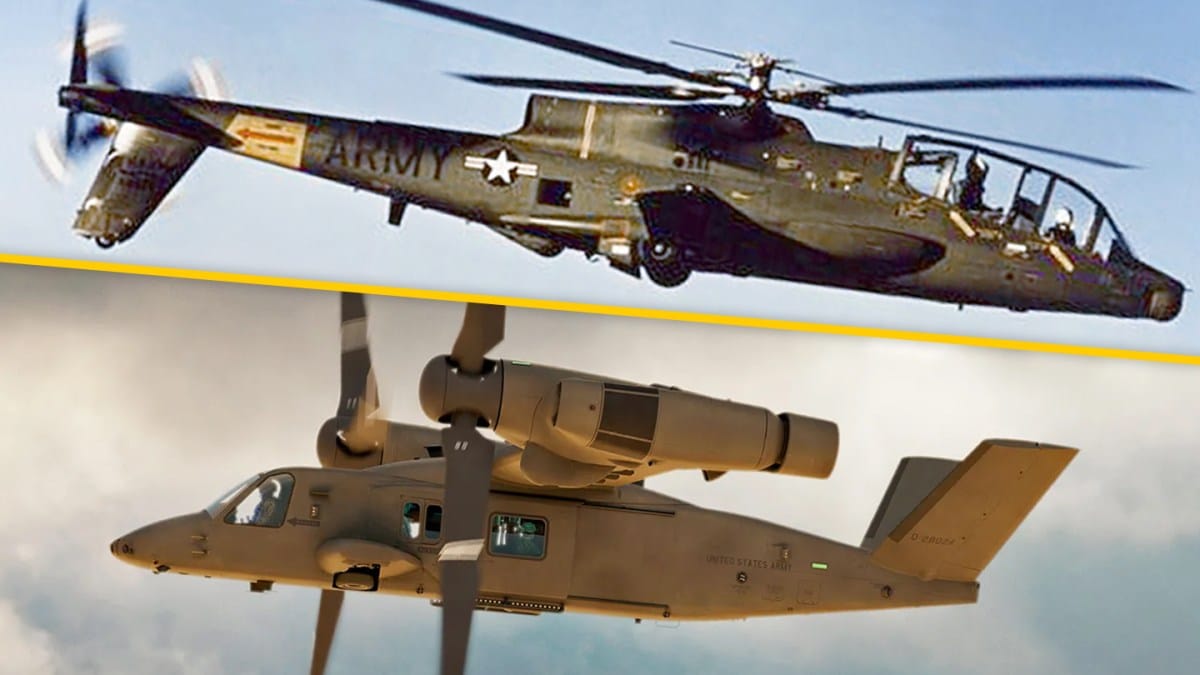
The U.S. Army is poised to revolutionize its aerial capabilities with the introduction of the new MV-75 tiltrotor, officially named Cheyenne II. This ambitious rotorcraft program not only draws inspiration from a historic yet unsuccessful attack helicopter but also signifies a major leap in the Army's aviation strategy. As the Army accelerates its adoption of this advanced aircraft, it is reshaping the training and operational landscape for its personnel.
What Happened
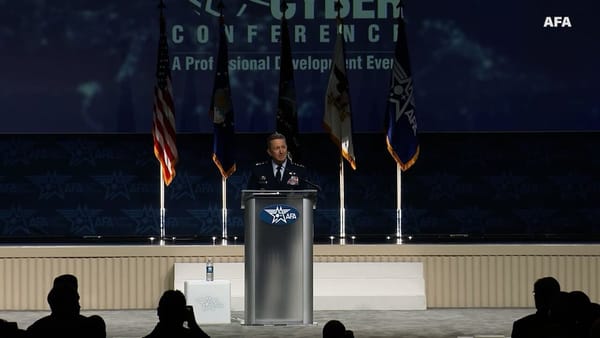
The MV-75 tiltrotor, which has been fast-tracked for deployment, is already being integrated into Army officer training programs. General officers have highlighted that troops are gaining hands-on experience with the aircraft even before the first units are delivered. This proactive approach ensures that the future operators of the MV-75 are well-prepared to leverage its advanced capabilities from day one.
- Historical Context: The Cheyenne name has a storied past, having been associated with a failed attack helicopter project. However, the Army is optimistic that the MV-75 will not share the same fate.
- Training Integration: Early exposure to the MV-75 is designed to build proficiency among officers, enhancing operational readiness as production ramps up.
- Technological Advancements: The tiltrotor design allows for greater speed and versatility compared to traditional rotary-wing aircraft, potentially transforming battlefield dynamics.
The Strategic Calculus
The MV-75 Cheyenne II is not merely an evolution in design; it represents a strategic pivot for the Army in multi-domain operations. Its tiltrotor capabilities enable it to operate effectively both in vertical lift situations and at higher speeds, bridging the gap between helicopters and fixed-wing aircraft. This shift aligns with the Army's focus on rapid response and adaptability in increasingly complex combat environments.
Key factors driving this strategic decision include:
- Enhanced Mobility: The ability to quickly deploy units in varied terrains offers a tactical advantage in dynamic conflict zones.
- Joint Operations Capability: The MV-75's versatility makes it suitable for coordination with air and ground forces, fostering joint operational effectiveness.
- Cost-Effectiveness: The Army is looking to maximize its investment in aviation technology, and the MV-75 is a crucial component of this effort.
The Bigger Picture
The rapid integration of the MV-75 into the Army's operational framework signals a broader trend towards modernization within U.S. military aviation. As the Army transitions to this next-generation tiltrotor, it sets a precedent for future advancements in rotorcraft technology. The implications extend beyond mere aircraft performance; they encompass logistics, support systems, and even training paradigms.
The Army's commitment to leveraging the MV-75 can be seen as a response to evolving threats and the need for greater operational agility. Moreover, as the aircraft enters service, it will likely influence the development of next-generation aircraft across all branches of the U.S. military.
In summary, the MV-75 Cheyenne II is more than just a new aircraft; it is a pivotal element in redefining how the Army operates in the air. Its successful implementation will not only enhance current capabilities but may also serve as a model for future defense innovations.
Sources: Twz, The War Zone, army.mil, Clarksville Now, and DVIDS