Accountability over Overregulation in AI Security

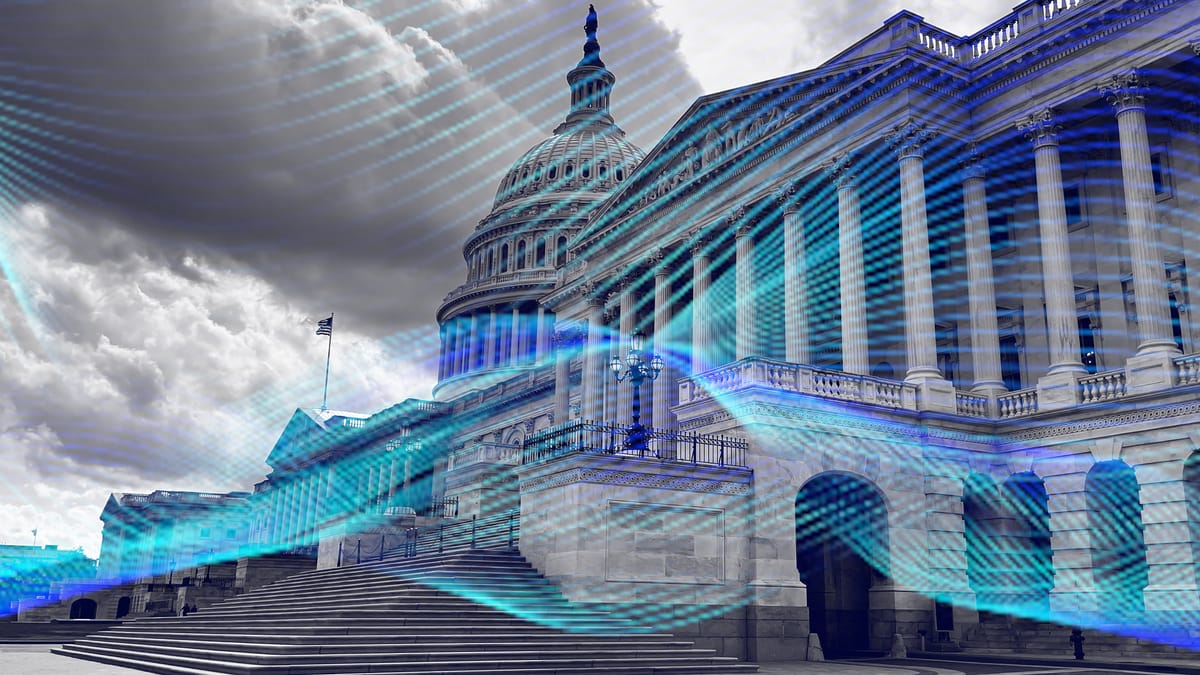
Balancing AI Governance and Security
As the federal landscape for artificial intelligence (AI) regulation evolves, Delinea CEO Art Gilliland emphasizes the need for accountability rather than stringent overregulation. Speaking at a recent event, Gilliland warned that excessive regulation could prioritize compliance over genuine security outcomes, undermining the effectiveness of AI systems used in national defense and cybersecurity.
The current push for tighter governance frameworks reflects an increasing recognition of AI's potential risks, particularly in defense applications. However, Gilliland's perspective raises important questions about the potential consequences of rigid regulatory measures. He argues that a one-size-fits-all approach may stifle innovation and fail to address the unique security challenges posed by different AI technologies. This critique suggests that while regulatory frameworks are necessary, they must be designed with flexibility to adapt to the rapidly changing technological landscape.
Implications for National Defense
The implications of Gilliland's insights are significant for defense professionals. As AI continues to integrate into defense strategies, the focus should be on fostering an environment that encourages real security improvements while still holding organizations accountable for their AI deployments. Analysts will be watching how forthcoming regulations balance these priorities, as missteps could lead to vulnerabilities in critical defense systems.
This perspective on AI governance highlights the broader trend of seeking effective oversight without hampering technological advancement. As the defense sector navigates these challenges, it is crucial to remain vigilant about the potential impacts of regulation on both security and innovation.
Sources: Cyberscoop, Inside Privacy, The Washington Post, Pillsbury Winthrop Shaw Pittman, and White & Case LLP