Advancements in Artillery: Transforming NATO Capabilities and Regional Firepower

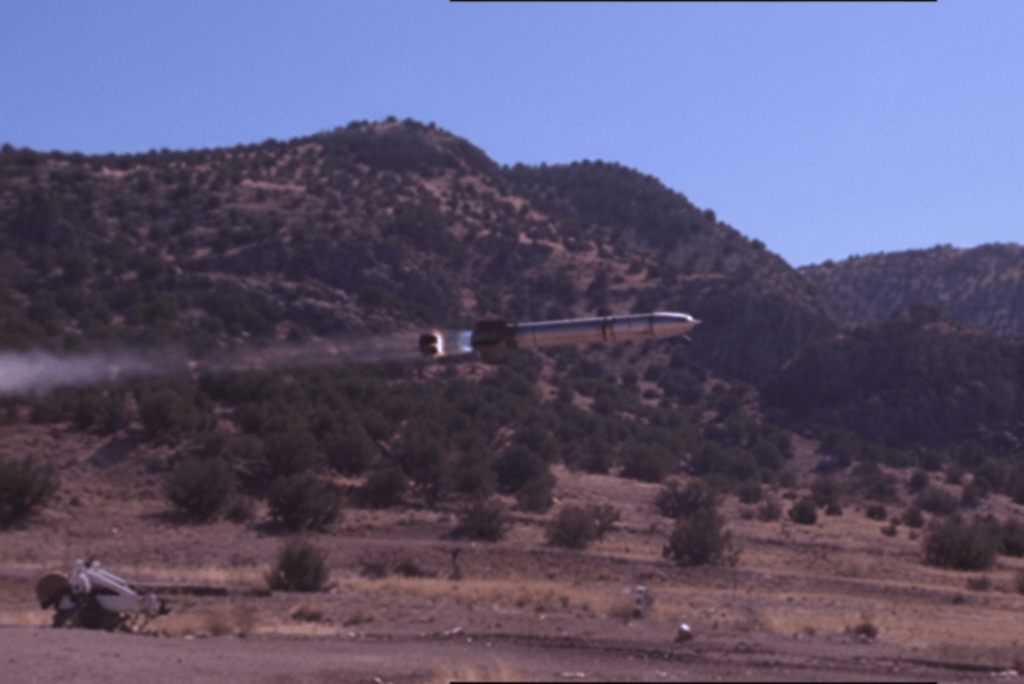
Recent developments in artillery technology are reshaping the landscape of military capability, particularly within NATO and allied nations. Tiberius Aerospace has made headlines with the successful ignition of a liquid-fuelled ramjet from a NATO-standard 155mm howitzer, a breakthrough that could redefine artillery strike range and effectiveness.
What happened
Tiberius Aerospace has achieved a significant milestone with its Sceptre ramjet round, which promises to extend the precision strike capabilities of NATO artillery to an impressive 150 km. This innovation aims to transform conventional artillery into systems with missile-like deep strike capabilities, enhancing deterrence and operational flexibility.
Meanwhile, the Philippine Army showcased the new ATMOS 155mm howitzer during the Salaknib 26 joint military exercise with the U.S., marking its first live-fire event. This development emphasizes the Philippine military's commitment to boosting long-range strike capabilities.
In another regional context, Israel has deployed its new Ro’em SIGMA 155mm howitzer in combat against Hezbollah in Lebanon. This marks the first operational use of the system, which has been noted for its enhanced speed and range in striking enemy positions.
The strategic calculus
The advancements in artillery technology reflect a broader strategic shift among nations seeking to enhance their firepower and operational readiness. The introduction of rapid-fire systems, such as South Korea's K9MH 155mm mobile howitzer, which has increased its fire rate to 9 rounds per minute, indicates a growing demand for artillery systems that can deliver rapid and sustained fire support in dynamic combat environments.
- Tiberius Aerospace's Sceptre ramjet round: 150 km precision strike capability.
- Philippine ATMOS howitzer: First live fire enhances operational readiness.
- Israel's Ro’em SIGMA howitzer: First combat deployment against Hezbollah.
- South Korea's K9MH howitzer: Fire rate increased to 9 RPM with new autoloader.
The bigger picture
These developments not only underscore the competitive nature of military technology but also highlight the collaborative efforts between nations to enhance their defensive and offensive capabilities. Australia's recent assembly of its first Guided Multiple Launch Rocket System (GMLRS) artillery rocket represents a commitment to local production and self-reliance in strike capabilities. This move aligns with global trends toward enhancing indigenous defense industries.
As nations invest in next-generation artillery systems, the implications for warfare dynamics are profound. The integration of advanced artillery technology could lead to a paradigm shift in how conflicts are conducted, particularly in terms of range, precision, and response times.
Sources: Edrmagazine, Armyrecognition, Defensenews, EDR Magazine - European Defence Review, Army Recognition, Defence Industry Europe, and The Defense Post