Advancements in Battlefield AI: A Marine's Vision in the Pacific

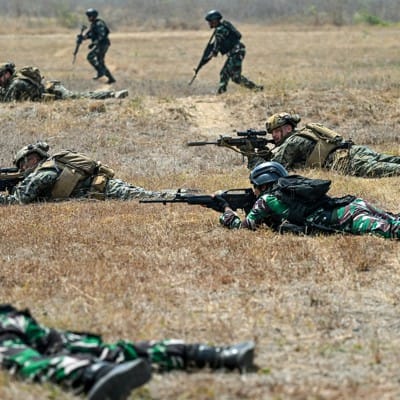
Innovative AI Pilot Program in the Pacific
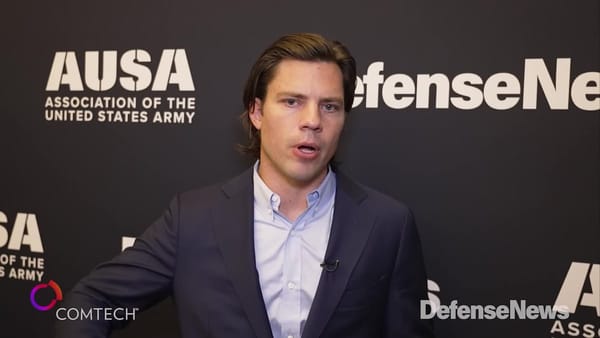
A new pilot program in the Pacific is demonstrating how advanced artificial intelligence (AI) technologies can be effectively integrated into military operations. This initiative, led by a former Marine, aims to bring cutting-edge tools directly to the edge of the battlefield, enhancing decision-making and operational efficiency. The initiative comes at a crucial time as the United States seeks to maintain its strategic advantage in a rapidly evolving global security landscape.
The pilot program focuses on leveraging AI to improve situational awareness and streamline logistics in combat scenarios. By utilizing these advanced technologies, military personnel can better analyze vast amounts of data, allowing for quicker and more informed decisions in high-pressure environments. This approach is particularly relevant in the Pacific, where the U.S. military faces challenges from regional adversaries.
Implications for Military Operations
The integration of AI into battlefield operations raises significant questions regarding the future of warfare. As military capabilities increasingly rely on technology, analysts will be watching how this program influences broader strategic initiatives and whether it leads to more widespread adoption of AI tools across different branches of the armed forces. The program demonstrates a commitment to staying ahead of potential threats while optimizing resource allocation and operational readiness.
This development is essential for maintaining U.S. military superiority, especially in contested regions where adversaries are also investing in advanced technologies. The success of this pilot program could serve as a model for future military innovations, paving the way for enhanced collaboration between technology developers and military strategists. As the U.S. continues to adapt to new forms of warfare, the implications of this initiative will likely extend beyond the Pacific, impacting global military operations.
Sources: Defenseone, Freeman Spogli Institute for International Studies, CSIS | Center for Strategic and International Studies, Americans for Responsible Innovation, and Defence Security Asia