Advancements in Counter-Drone Technologies: A Dual Approach

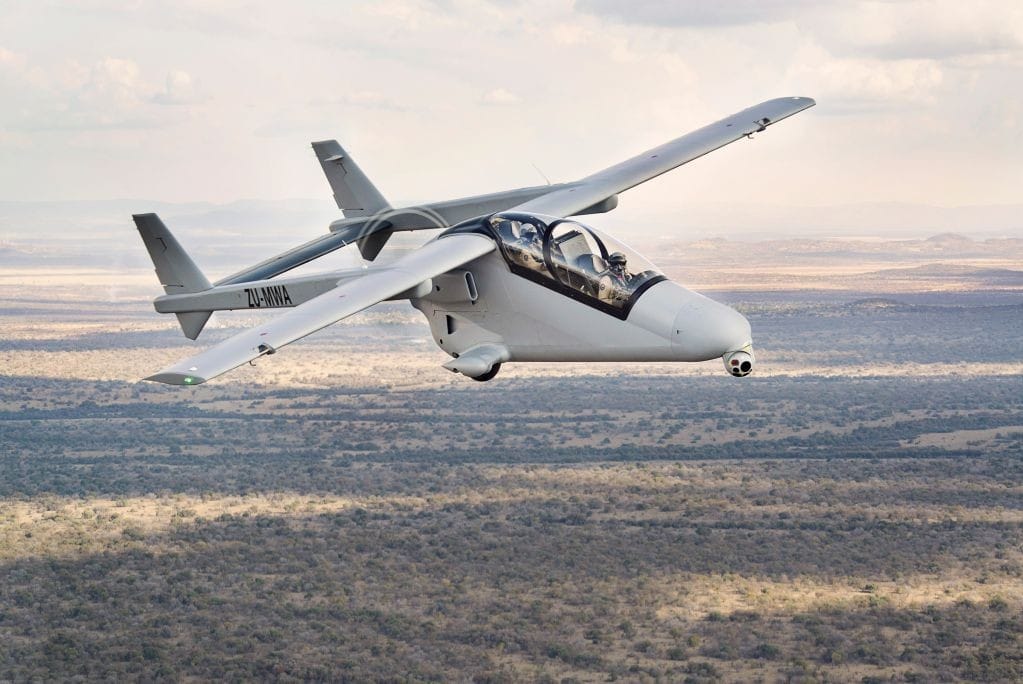
The increasing prevalence of one-way attack drones has prompted a significant response from defense technology manufacturers. With threats evolving rapidly, innovative solutions are emerging to counter these aerial dangers. Notably, two distinct advancements in counter-drone capabilities have come to light: the Paramount Mwari configuration and high-energy laser systems proposed by Electro Optic Systems (EOS).
What happened
On July 16, 2026, Paramount unveiled a modular airborne counter-UAS configuration designed to address the escalating threat from one-way attack drones. This configuration offers a scalable response, allowing operators to adapt to various operational contexts and threat levels. The emphasis on modularity suggests a focus on flexibility and efficiency, essential in modern warfare.
In a parallel development, during a visit by German Defense Minister Pistorius to Canberra, EOS presented two high-energy laser systems aimed at countering drone threats and enhancing space defense capabilities. The introduction of these laser systems highlights a strategic pivot towards directed energy weapons, which are increasingly viewed as a viable solution for neutralizing aerial threats.
The strategic calculus
Both the Paramount and EOS systems reflect a growing recognition of the need for advanced technologies to counter emerging threats. The implications of these advancements are significant:
- Scalability and Adaptability: The modular nature of the Paramount Mwari configuration allows for tailored responses across different operational scenarios, enhancing military effectiveness.
- Directed Energy Weapons: EOS's focus on high-energy lasers represents a shift in how militaries might engage with drones, potentially reducing reliance on traditional munitions and improving operational efficiency.
- International Collaboration: The presentation of EOS systems to Germany underscores the importance of international partnerships in developing and deploying these technologies.
As nations face the rising tide of drone warfare, these technological advancements could redefine the landscape of air defense, making it crucial for military planners to assess their integration into existing frameworks.
Industry fallout
The emergence of these counter-drone solutions signals a competitive landscape in defense technology. Companies like Paramount and EOS are positioning themselves at the forefront of a growing market. The enhanced capabilities offered by these systems not only promise to improve defense measures but also raise questions about the future of military procurement and collaboration among nations.
As defense professionals evaluate these developments, they must consider the following:
- How will these technologies be integrated into current military operations?
- What are the potential costs and benefits of adopting modular versus directed energy solutions?
- How can international partnerships be leveraged to enhance drone defense capabilities?
In summary, the advancements in counter-drone technologies by Paramount and EOS illustrate a proactive approach to the escalating threats posed by unmanned aerial systems. The focus on modularity and directed energy weapons represents a critical evolution in defense strategy that will require ongoing analysis and adaptation by military leaders.
Sources: Edrmagazine, Thedefensepost, DefenseScoop, Tech Times, Defense News, and Interesting Engineering