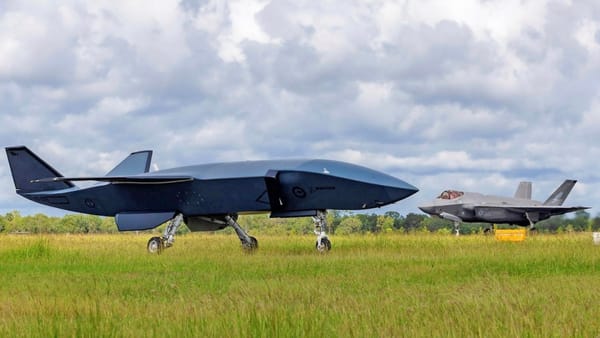
Advancements in Drone Technology Enhance U.S. Military Capabilities

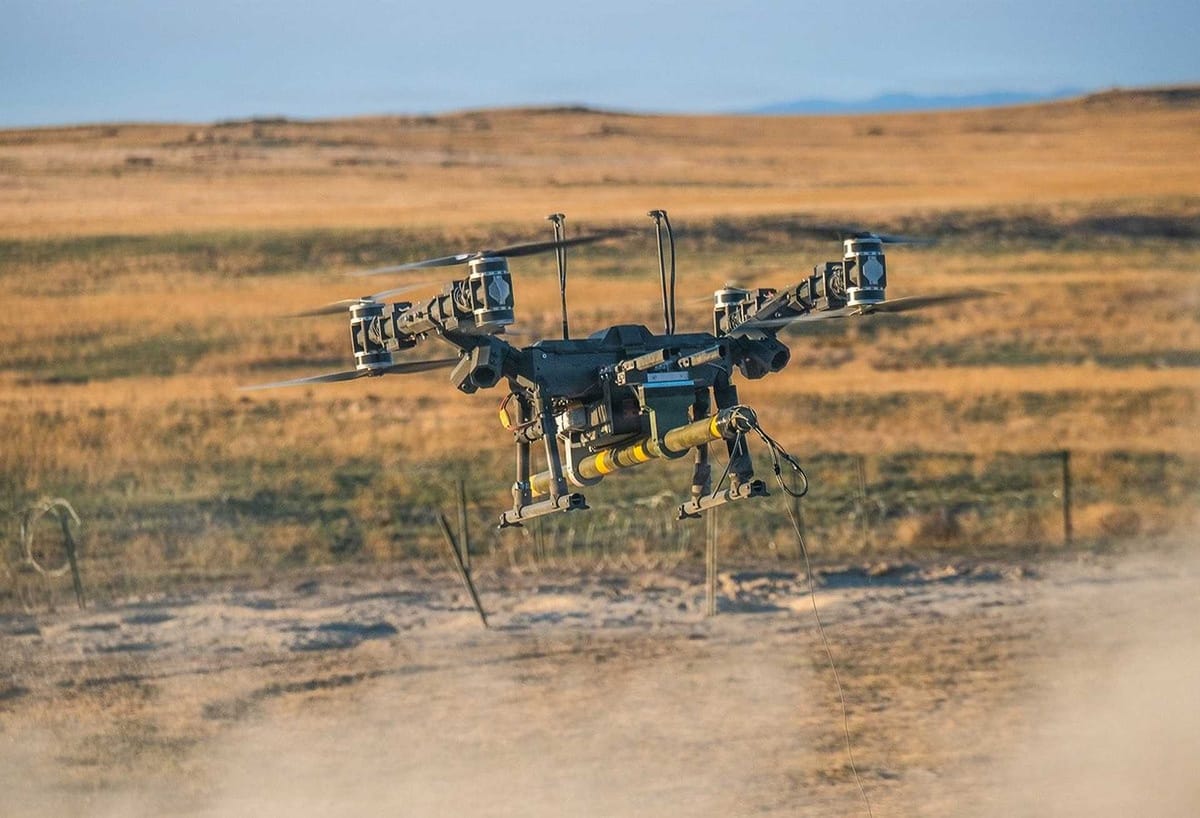
The U.S. Army's recent testing of the Mule 28 drone marks a significant step towards enhancing battlefield effectiveness and safety. This drone is designed to deliver Bangalore torpedoes, which are crucial for breaching wire obstacles during combat operations. By employing unmanned aerial systems for this task, the Army aims to reduce the risk faced by combat engineers in high-stakes environments.
What Happened
The Mule 28 drone is part of a broader initiative by the U.S. military to leverage technology for operational superiority. The testing of this drone represents a tactical evolution in how the Army approaches obstacle breach operations. Instead of relying solely on personnel to handle dangerous tasks, the introduction of drone technology could potentially save lives while maintaining operational efficiency.
The Strategic Calculus
The establishment of a new unmanned systems office by the United States is aimed at accelerating the deployment of military drones across various operational scenarios. This initiative is critical for preserving U.S. battlefield superiority in an era where unmanned systems are becoming increasingly vital in military strategy.
- The new office will focus on enhancing the speed and efficiency of drone implementation.
- It signifies a commitment to integrating advanced technology into U.S. military operations.
- These developments are likely to influence future military engagements, emphasizing the role of unmanned systems.
In light of these advancements, defense professionals should consider how such technology can reshape traditional combat roles and tactics. The implications extend beyond operational efficiency; they also touch on strategic deterrence and the modernization of military forces.
On the Ground
The integration of drones like the Mule 28 into combat scenarios could redefine ground operations. As battlefield environments grow more complex, the ability to deploy unmanned systems for hazardous tasks is increasingly essential. The Army's focus on safety through technology aims to not only enhance operational capability but also to ensure the well-being of personnel engaged in high-risk missions.
In summary, the U.S. Army's testing of the Mule 28 drone and the formation of the unmanned systems office underscore a significant shift in military operations. These initiatives reflect a commitment to advancing drone technology, which is poised to play a critical role in future U.S. military strategy.
Sources: Armyrecognition, army.mil, Military Times, Association of the United States Army, and Inside Unmanned Systems