Advancements in Drone Technology: The Potential of Nuclear Waste-Powered Batteries

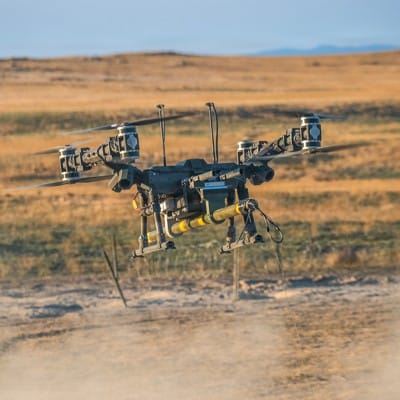
The integration of nuclear waste into battery technology represents a significant leap forward for drone operations and other defense systems. The Defense Advanced Research Projects Agency (DARPA) is spearheading an initiative focused on developing a next-generation battery that converts nuclear waste into electricity. This program aims to produce a minimally viable prototype with a remarkable lifespan of 30 years by early 2027.
What Happened
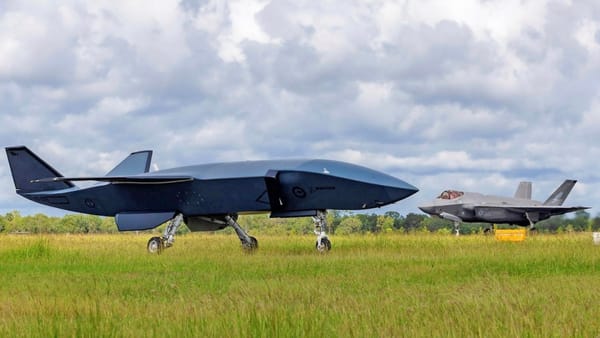
Specialists from various sectors—including the defense industry, academia, and government—are collaborating on this innovative project. The potential applications of this technology are vast, particularly for drones which could operate for decades without the need for refueling. The implications for logistics, surveillance, and other military applications could reshape operational strategies significantly.
The Strategic Calculus
The drive towards a nuclear waste-powered battery aligns with a broader strategic objective: enhancing the endurance and operational capabilities of unmanned aerial vehicles (UAVs). Key advantages of this development include:
- Extended operational range: Drones equipped with these batteries could potentially stay airborne for longer durations, reducing the frequency of deployments and increasing mission effectiveness.
- Operational sustainability: Utilizing nuclear waste not only addresses battery longevity but also promotes a more sustainable approach to energy use in defense technologies.
- Cost efficiency: Over time, the reduced need for refueling could lead to significant savings in operational costs.
This initiative arrives at a crucial juncture as military forces worldwide seek to advance their technological edge. The promise of a battery capable of sustaining drones for decades without interruption could provide a substantial advantage in various combat and reconnaissance scenarios.
What Comes Next
As the DARPA program progresses towards its 2027 target for a prototype, several factors will be critical in determining the success and implementation of this technology:
- Collaboration across disciplines will be essential to overcome potential technical challenges.
- Regulatory considerations regarding the use of nuclear waste must be addressed to ensure compliance with safety standards.
- Market interest from defense contractors and potential integration into existing systems will dictate the pace of development.
Analysts will be watching closely to see how these developments unfold and the potential impact on future military operations. The strategic implications of nuclear waste-powered batteries could redefine the landscape of defense technology, paving the way for new operational paradigms.
Sources: Defenseone, Thedefensepost, MSN, Zamin.uz, and Tom's Hardware