Advancements in Electronic Warfare: Angry Kitten Pod Testing on HC-130J

Innovative Jamming Capabilities Under Evaluation
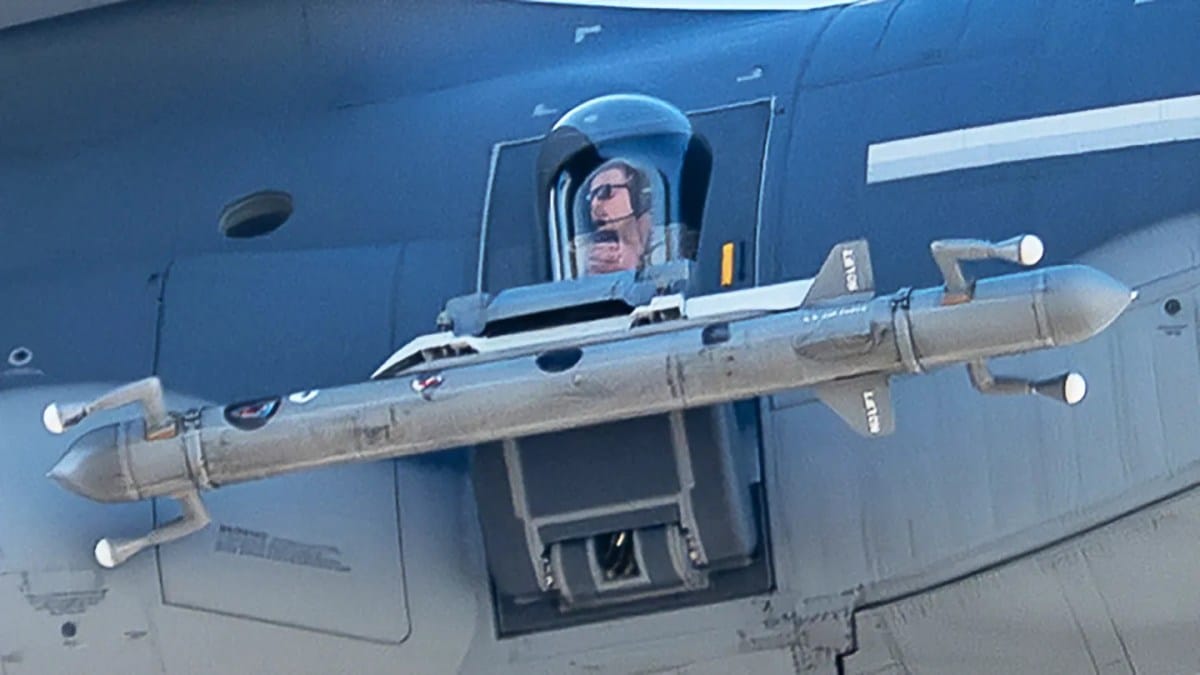
The U.S. Air Force is currently testing the Angry Kitten jamming pods on the HC-130J Combat King II aircraft, focusing on enhancing electronic warfare capabilities through real-time satellite threat updates. This initiative, part of a broader strategy to modernize the Air Force's electronic warfare arsenal, emphasizes the need for agile and responsive systems in an increasingly complex threat landscape. The tests aim to evaluate the effectiveness of these pods in countering modern threats while ensuring that operators can adapt quickly to evolving scenarios.
Contextually, the integration of Angry Kitten pods represents a shift towards more sophisticated electronic warfare tactics. By allowing for remote reprogramming based on current threat assessments, these jamming systems can provide a significant tactical advantage. This capability is particularly pertinent given the rise of advanced adversarial technologies that require a swift and dynamic response. The HC-130J, known for its versatility in combat search and rescue missions, serves as a fitting platform for such innovations, potentially transforming its operational role in joint military operations.
Strategic Implications and Future Developments
The ability to adjust jamming capabilities in real-time not only enhances mission effectiveness but also underscores the importance of integrating information superiority into combat operations. As adversaries develop more sophisticated communication and targeting systems, the U.S. must remain at the forefront of electronic warfare technology. The Angry Kitten pods exemplify a proactive approach to electronic countermeasures, facilitating greater operational flexibility and resilience.
Overall, the successful testing and deployment of these jamming pods could reshape the Air Force's approach to electronic warfare, allowing for improved situational awareness and enhanced protection of critical assets. As threats continue to evolve, the integration of such advanced systems will be crucial in maintaining tactical advantage and ensuring mission success in future conflicts.
Sources: Twz, The War Zone, Interesting Engineering, The Defense Post, and The Aviationist