Advancements in Long-Range Strike and Surveillance: The B-21 Raider and Sentinel Program

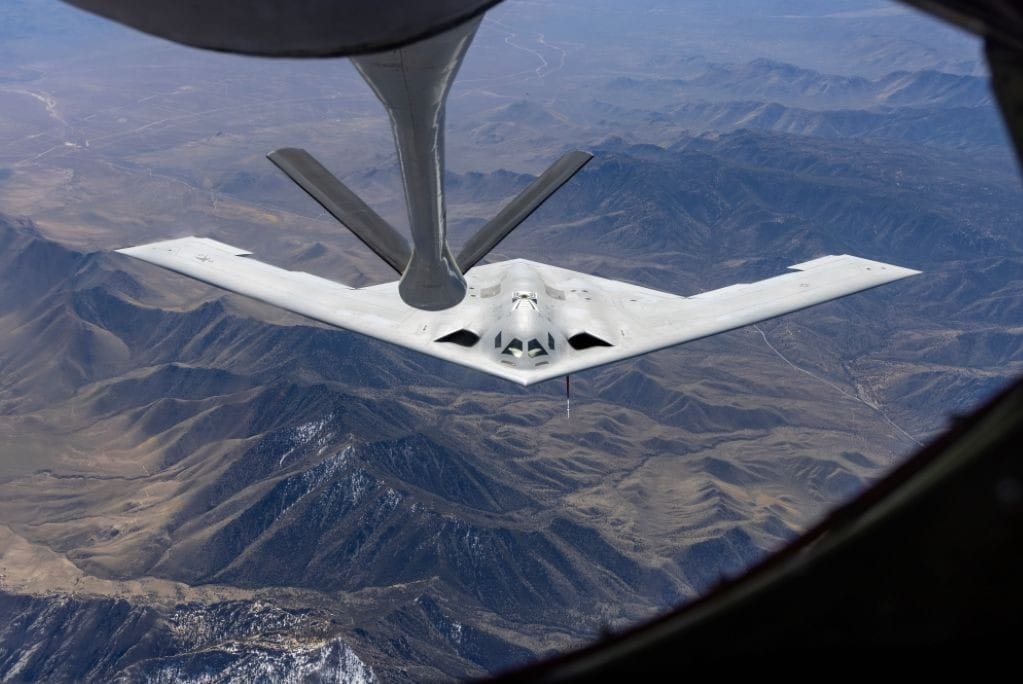
Northrop Grumman is at the forefront of modernizing American airpower, with two key programs—the B-21 Raider and the Sentinel—showcasing significant advancements in long-range strike capability and surveillance technology. As these projects progress through their respective phases, they promise to enhance U.S. military readiness and operational flexibility in an increasingly complex global threat environment.
What Happened
The B-21 Raider has achieved remarkable momentum in its flight test campaign. This aircraft is designed to provide the U.S. Air Force with unmatched long-range strike capabilities, capable of penetrating advanced enemy defenses. The Raider's cutting-edge technologies include stealth, advanced sensors, and the ability to operate in contested environments. Northrop Grumman is moving swiftly toward the aircraft's first flight, which is a critical milestone in its development.
Simultaneously, the U.S. Air Force and Northrop Grumman are making substantial strides with the Sentinel program, aimed at modernizing the ground-based radar surveillance systems. This program is anticipated to enhance the military's situational awareness and response capabilities, with first flight tests expected in the near future.
The Strategic Calculus
Both the B-21 Raider and the Sentinel program represent a significant shift in U.S. defense strategy. As adversaries develop sophisticated anti-access/area denial (A2/AD) capabilities, the need for advanced long-range strike and surveillance systems becomes increasingly urgent. The Raider's ability to conduct precision strikes at great distances will allow U.S. forces to project power without immediate proximity to hostile territories.
- Enhanced Deterrence: The Raider serves as a strategic deterrent against potential adversaries by demonstrating the U.S.'s commitment to maintaining air superiority.
- Increased Operational Flexibility: The Sentinel's advanced radar capabilities will improve ground forces' situational awareness, enabling quick and informed decision-making in dynamic environments.
- Technological Superiority: Both programs leverage cutting-edge technologies that could set a new standard for military aviation and surveillance.
As these systems come online, they are likely to reshape the landscape of modern warfare. The Raider could redefine strike missions, while the Sentinel's capability to monitor vast areas will change how the military anticipates and reacts to threats.
What Comes Next
Looking ahead, the successful integration of the B-21 Raider and the Sentinel program within the U.S. military framework will be critical. Key milestones such as the first flight of the Raider and the Sentinel's operational rollout will be closely monitored. The outcomes of these tests will not only validate the technologies involved but also guide future investments in defense capabilities.
Furthermore, collaboration among defense contractors, military officials, and policymakers will be essential to ensure that these programs meet the evolving needs of national security. The focus will likely shift to:
- Ensuring interoperability between new platforms and existing military assets.
- Integrating artificial intelligence and machine learning to enhance operational effectiveness.
- Developing robust training and maintenance programs to support these advanced systems.
As Northrop Grumman accelerates the development of these pivotal systems, their contributions will be vital in maintaining U.S. military superiority and adapting to future challenges.
Sources: Edrmagazine, Stock Titan, Air & Space Forces Magazine, The War Zone, and Stars and Stripes