Advancements in Marine Corps Warfare: New Robotic and Combat Vehicles

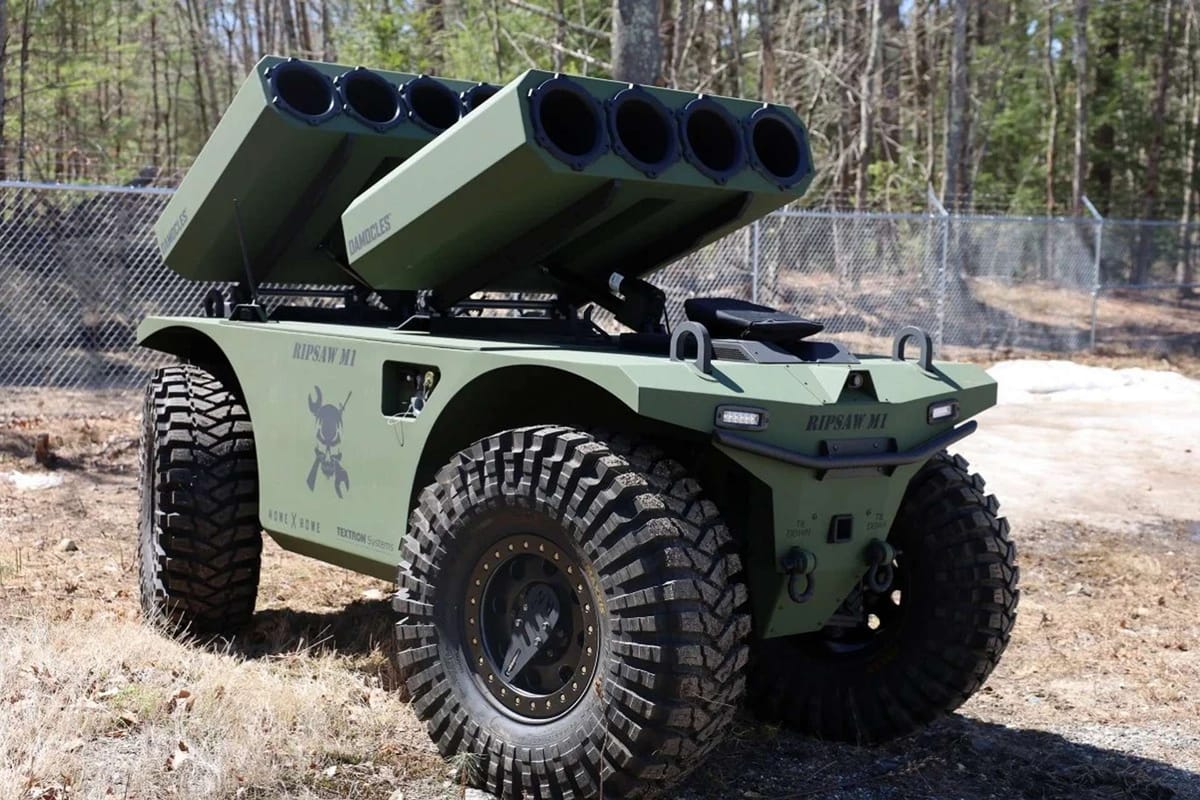
The landscape of U.S. Marine Corps operations is evolving, with the introduction of two cutting-edge vehicles aimed at enhancing capabilities in littoral and contested environments. Textron and General Dynamics have unveiled their latest contributions: the RIPSAW M1 robotic vehicle and the ARV-30 reconnaissance combat vehicle, respectively. These innovations reflect a strategic pivot towards unmanned operations and increased survivability in modern warfare.
What happened
Textron has introduced the RIPSAW M1, a robotic vehicle designed specifically to bolster the U.S. Marine Corps' littoral warfare operations. This unmanned platform promises to enhance reconnaissance and strike capabilities, crucial for operations in coastal regions. Similarly, General Dynamics showcased the ARV-30 reconnaissance combat vehicle at the Modern Day Marine event, emphasizing its role in improving the Marines' recon targeting and survivability in contested environments.
The strategic calculus
These developments illustrate a broader trend in military modernization, where autonomous systems and advanced combat vehicles are increasingly integrated into operational strategies. The RIPSAW M1 is intended to provide:
- Unmanned reconnaissance: Reducing the risk to personnel while gathering vital intelligence.
- Strike capabilities: Enhancing the Marines' ability to engage adversaries from a distance.
Meanwhile, the ARV-30 aims to improve survivability through enhanced armor and advanced targeting systems, which are essential in environments where traditional armored vehicles may be vulnerable. This vehicle’s features are designed to adapt to the complexities of modern warfare, where threats can emerge from multiple domains.
Industry fallout
The unveiling of these vehicles marks a significant moment for defense contractors, as they align with the U.S. military's ongoing emphasis on innovation and modernization. Both Textron and General Dynamics are positioning themselves as key players in the defense sector, responding to the evolving demands of military operations. Analysts will be observing how these advancements are integrated into existing Marine Corps programs and whether they will influence procurement strategies moving forward.
As the U.S. Marine Corps seeks to maintain operational superiority in increasingly complex battlefields, the adoption of such technologies could reshape the nature of engagement in future conflicts. The implications for training, logistics, and overall military strategy are profound, raising questions about how quickly these systems can be operationalized and the potential impact on combat readiness.
Sources: Armyrecognition, Thedefensepost, New Atlas, Army Recognition, and The Defence Blog