Advancements in Naval Defense: Containerized HELIOS Laser System

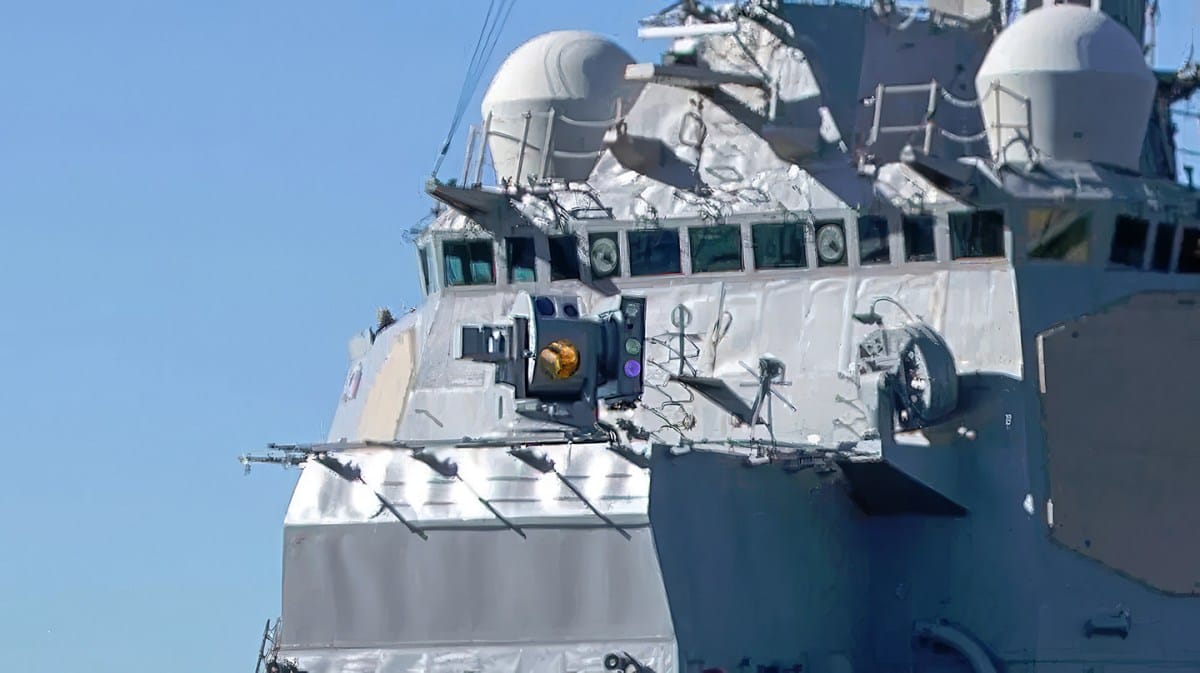
Congress Advocates for Containerized HELIOS Deployment
The HELIOS (High Energy Laser with Integrated Optical-dazzler and Surveillance) system, recognized as the only laser capable of neutralizing drones from a Navy warship, is undergoing discussions in Congress for a containerized variant. This proposal aims to enhance the system's deployment flexibility, potentially allowing for quicker and more versatile operational capabilities in various maritime environments.
The concept of a containerized HELIOS system is significant for the Navy as it seeks to modernize its defense strategies against evolving threats, particularly from unmanned aerial vehicles (UAVs). Currently, the HELIOS laser is installed directly on ships, which limits its operational scope. However, a containerized version could be deployed on different platforms or locations, thereby expanding the Navy's reach and responsiveness to drone threats. The potential for rapid deployment across various naval and coastal operations is a strategic advantage, particularly in contested environments.
This development comes at a time when drone warfare is becoming increasingly prevalent, necessitating effective countermeasures. The containerized HELIOS could serve not only on Navy ships but also in joint operations with other branches of the military, enhancing overall deterrence capabilities. Additionally, this flexibility could be crucial in humanitarian missions or disaster response scenarios, where drone surveillance might be employed to assess damage or deliver supplies. The implications of this advancement are substantial. Analysts will be watching closely to see how this initiative progresses through Congress and what funding or strategic priorities it might influence within the Department of Defense. The militarization of laser technology represents a significant shift in naval warfare, and as such, the successful implementation of the containerized HELIOS could reshape operational paradigms for U.S. naval forces, making them more agile and better equipped to address contemporary threats.
Sources: Twz, Kyiv Post, The National Interest, Euronews.com, and The War Zone