
Advancements in Naval Power: Aircraft Carriers as Energy Sources

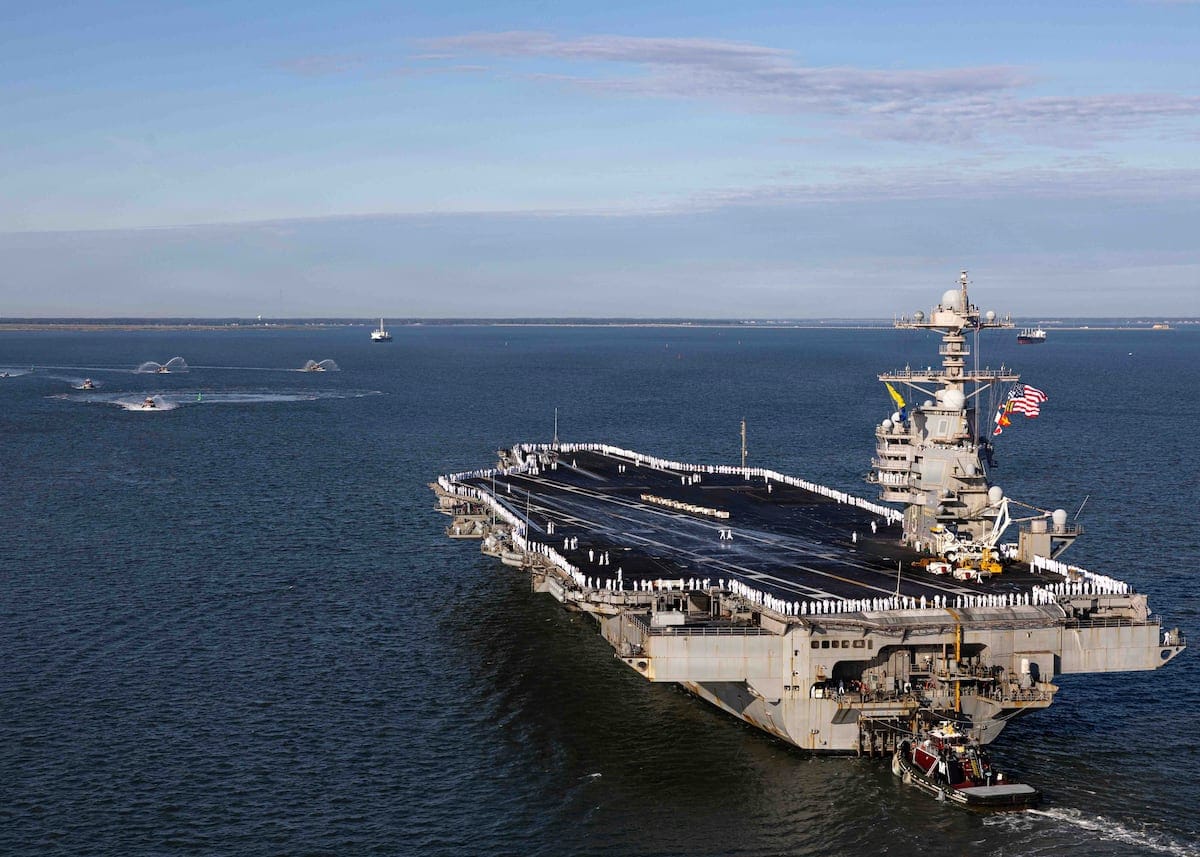
The U.S. Navy is set to embark on a groundbreaking initiative that could redefine the operational capabilities of its fleet. Acting Navy Secretary Hung Cao announced that Naval Station Norfolk will be powered from an aircraft carrier this summer. This innovative approach aims to leverage the advanced capabilities of the U.S. Navy’s aircraft carriers, particularly the Gerald R. Ford-class, which are designed for increased efficiency and operational flexibility.
What happened
The decision to power shore installations using aircraft carriers marks a significant shift in naval logistics and operational strategy. Notably, Naval Station Norfolk, one of the largest naval bases in the world, will serve as the first site for this initiative. The ability to draw power from an aircraft carrier could potentially enhance the base's resilience and operational readiness.
The strategic calculus
Aircraft carriers, especially the Gerald R. Ford-class, are equipped with cutting-edge technology designed to improve sortie generation and overall operational effectiveness. The incorporation of these carriers as power sources could lead to several strategic advantages:
- Increased Efficiency: Utilizing the power generated by aircraft carriers can lead to reduced dependency on shore-based power systems.
- Enhanced Readiness: This capability allows naval forces to maintain a higher state of readiness during operations, ensuring that shore installations are operational even in contested environments.
- Logistical Flexibility: The ability to power bases from carriers can simplify logistics and reduce the need for extensive infrastructure at shore facilities.
The Gerald R. Ford-class aircraft carrier plays a crucial role in this initiative. Its advanced systems are designed not only for combat operations but also for supporting sustained missions. Analysts will be watching how this initiative unfolds and its potential implications for future naval operations.
What comes next
As the Navy moves forward with this plan, several factors will need to be addressed:
- Operational integration with existing naval infrastructure.
- Training personnel to manage and operate the power generation systems aboard carriers.
- Assessment of the long-term impacts on carrier design and capabilities.
This initiative represents a forward-thinking approach to naval operations, emphasizing the need for adaptability in an ever-evolving strategic landscape. The implications of successfully implementing this power-sharing model could influence future naval strategies and operational frameworks.
Sources: Defensenews, Thedefensepost, American Nuclear Society -- ANS, WHRO, The National Interest, and WTKR




