Advancements in Tactical Mobility and Thermal Imaging: A New Era for Defense Systems

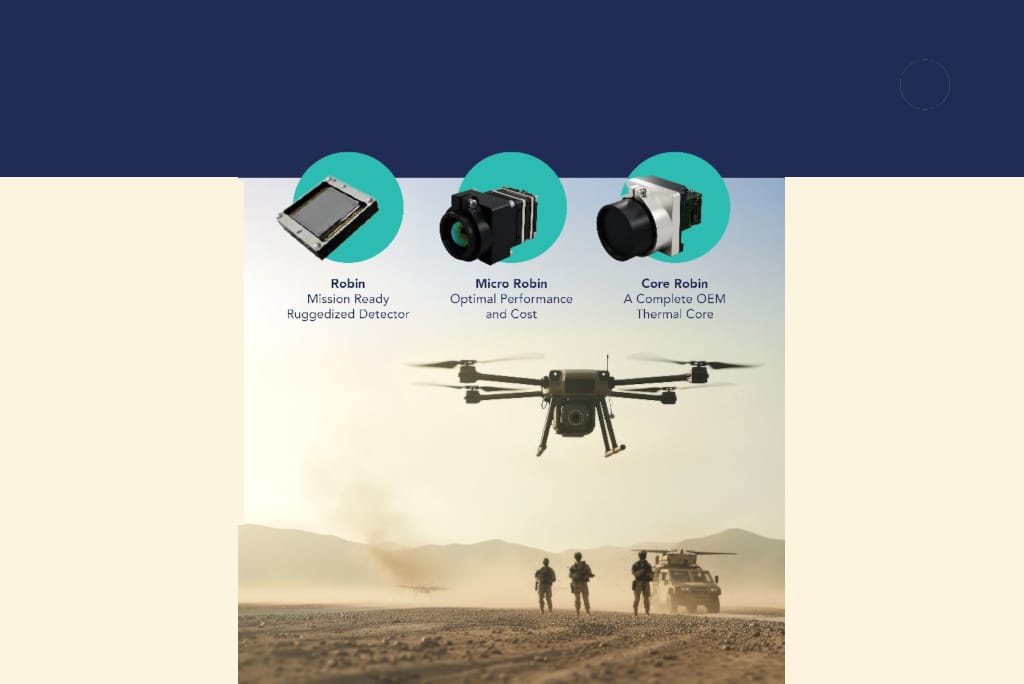
Recent developments in defense technology are set to reshape the landscape of tactical operations and surveillance capabilities. The launch of the “Robin” family of 12µm LWIR uncooled detectors by Semi Conductor Devices (SCD) represents a significant advancement in thermal imaging, while the Joint Light Tactical Vehicle (JLTV) continues to evolve as a cornerstone of modern military mobility.
What happened
On April 16, 2026, SCD unveiled its innovative “Robin” family of uncooled detectors, enhancing high-dynamic thermal imaging for next-generation defense systems. This technology promises to deliver superior performance in low-light and adverse weather conditions, which is crucial for effective surveillance and target acquisition. The 12µm detectors are designed to improve sensitivity and resolution, making them ideal for use in a variety of military applications.
Meanwhile, the JLTV, which has been a focal point of American tactical mobility, continues to receive enhancements aimed at increasing its protection, agility, and operational versatility. As a platform designed to replace the aging Humvee fleet, the JLTV’s features, including modularity and improved armor, are critical in meeting the demands of modern warfare.
The strategic calculus
Both the advancements in thermal imaging technology and the ongoing evolution of the JLTV illustrate a broader trend in military strategy: the integration of cutting-edge technology to maintain operational superiority. The implications are far-reaching:
- Enhanced Situational Awareness: The Robin detectors will enable military personnel to see and interpret their environment with unprecedented clarity, significantly improving decision-making in combat scenarios.
- Increased Survivability: The JLTV's enhanced armor and mobility capabilities allow for safer operations in hostile environments, reducing casualties and improving mission success rates.
- Operational Flexibility: With the ability to adapt to various mission profiles, both technologies support a multi-domain approach to warfare, enabling forces to operate effectively across land, air, and cyber domains.
What comes next
The future of defense operations will likely be characterized by a continued push towards integration and innovation. As military forces around the globe seek to enhance their capabilities, the following trends are anticipated:
- Increased investment in thermal imaging technologies as they become more crucial for reconnaissance and surveillance.
- Further enhancements to the JLTV, including potential integration with unmanned systems and advanced battlefield management software.
- A shift towards more unmanned and autonomous systems that leverage advanced sensors, including those developed by SCD, to operate in contested environments.
As these technologies develop, defense professionals must stay informed and adaptable, leveraging advancements to enhance operational effectiveness and counter emerging threats. The integration of sophisticated thermal imaging with agile tactical vehicles like the JLTV will fundamentally alter engagement strategies and operational planning in the years to come.
Sources: Edrmagazine, Thedefensepost, and BulgarianMilitary.com