Advancements in U.S. Air Mobility and Unmanned Systems

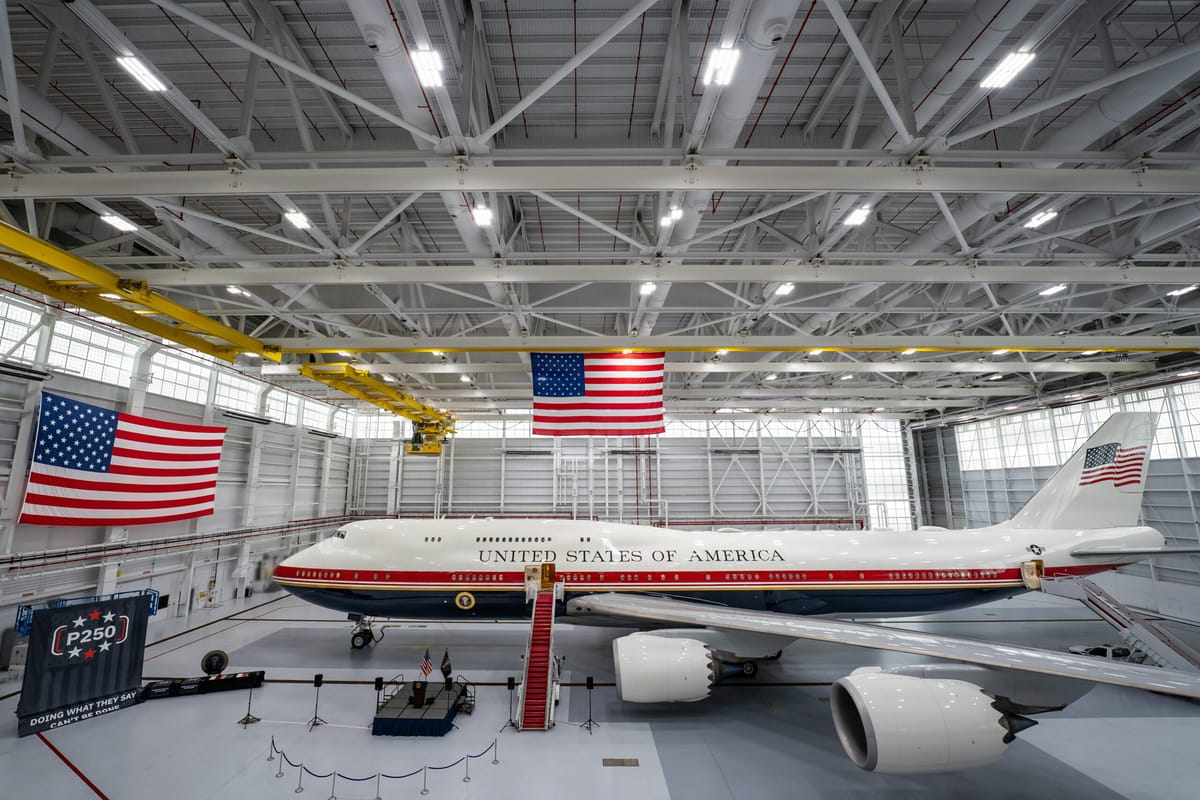
The U.S. defense sector continues to evolve with significant contracts awarded for both manned and unmanned systems. Recently, General Atomics Aeronautical Systems, Inc. (GA-ASI) secured a production contract for the FQ-42A CCA, and L3Harris Technologies delivered a VC-25B Bridge aircraft as part of the Air Force One fleet modernization program. These developments mark crucial steps in enhancing air mobility and operational capabilities.
What happened
On June 17, 2026, GA-ASI announced the awarding of a production contract for the FQ-42A CCA (Collaborative Combat Aircraft). This contract is pivotal for the U.S. Air Force as it seeks to integrate advanced unmanned systems into its operations, emphasizing the importance of unmanned aerial capabilities in modern warfare.
In parallel, the U.S. Air Force received a new VC-25B aircraft from L3Harris Technologies at Joint Base Andrews, Maryland. This delivery is part of the ongoing upgrade process for the Air Force One fleet, which aims to enhance the operational effectiveness and safety of presidential air travel.
The strategic calculus
Both developments reflect a broader strategy within the Department of Defense to modernize and diversify its fleet. The integration of unmanned systems like the FQ-42A CCA is designed to complement traditional manned platforms, providing greater flexibility and reducing risks to human pilots in high-threat environments.
- The FQ-42A CCA is expected to perform a variety of missions alongside manned aircraft, enhancing tactical options.
- The VC-25B represents a significant upgrade in terms of technology and security for presidential travel.
This raises the question of how these advancements will impact U.S. military engagement strategies and the logistical frameworks that support them. The U.S. is likely to focus more on systems that can operate collaboratively, merging the strengths of both manned and unmanned platforms.
The bigger picture
As the U.S. forges ahead with these advancements, several key implications arise for defense professionals:
- Enhanced operational capabilities: The combination of unmanned systems and upgraded manned platforms is set to provide a more robust response to emerging threats.
- Increased investment in technology: The contracts awarded signal a commitment to investing in advanced technologies that support strategic goals.
- Potential implications for international partnerships and defense collaborations as the U.S. continues to innovate in air mobility.
These initiatives not only bolster U.S. defense capabilities but also position the nation as a leader in adopting cutting-edge technology in military applications. Analysts will be watching how these advancements are implemented in operational settings and their effects on future military engagements.
Sources: Edrmagazine and Thedefensepost