Advancements in U.S. Defense Technology: Next-Gen Helicopters and Drones

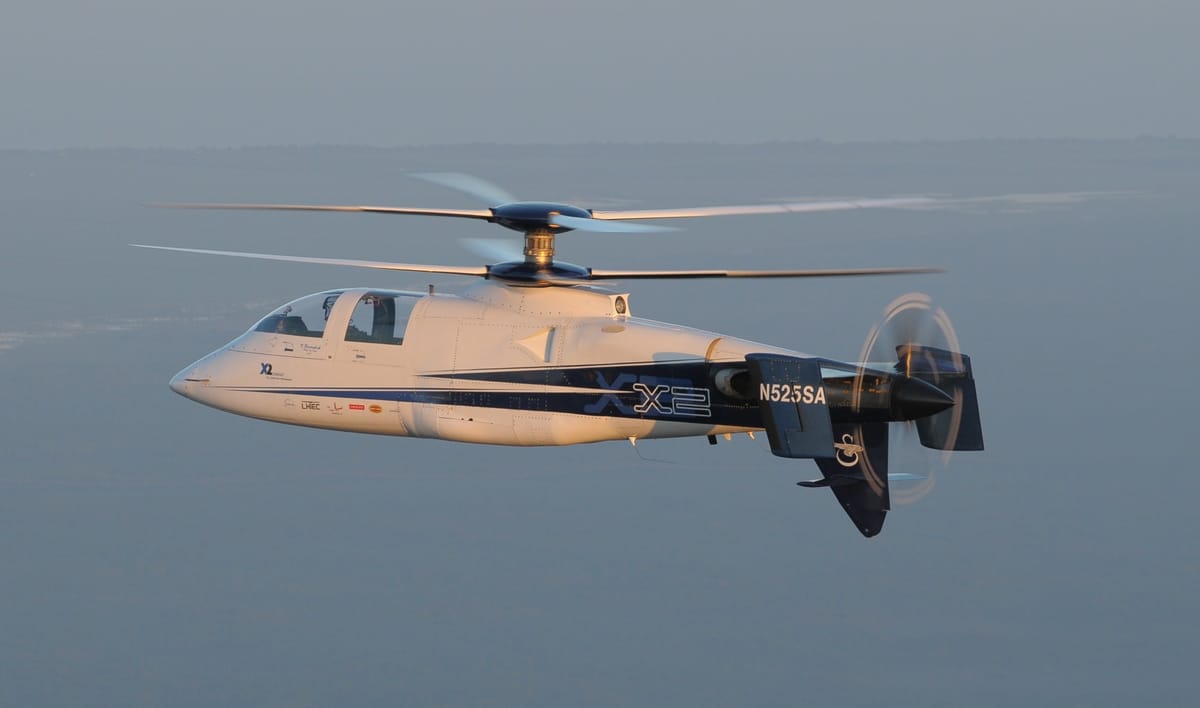
The landscape of U.S. defense technology is evolving as two prominent players, Sikorsky and the U.S. Air Force, unveil significant developments in next-generation aircraft. Sikorsky's plan for a European production line for NATO's future rotorcraft program aligns with the U.S. Air Force's strategic direction for uncrewed aerial vehicles, including a new combat drone to succeed the MQ-9 Reaper.
What Happened
Sikorsky, a leader in rotorcraft manufacturing, has confirmed its intentions to establish a production line for a next-generation rotorcraft in Europe. This initiative is particularly focused on NATO’s future rotorcraft program, indicating a commitment to bolster allied capabilities and enhance interoperability among NATO forces.
Meanwhile, the U.S. Air Force is shaping the future of its uncrewed aerial fleet. The service has initiated the process of establishing requirements for a next-generation combat drone that may eventually replace the MQ-9 Reaper, a cornerstone of its current aerial operations. This reflects a strategic pivot towards more advanced and capable unmanned systems.
The Strategic Calculus
Both developments highlight a broader trend within U.S. defense strategy aimed at modernization and enhanced operational effectiveness. Sikorsky’s move to set up a production line in Europe can be seen as part of a larger effort to ensure readiness and technological superiority in a rapidly evolving security environment.
- European Production Line: Sikorsky’s decision could lead to increased production efficiency and closer collaboration with NATO allies.
- Next-Gen Combat Drone: The U.S. Air Force's initiative could address emerging threats and enhance mission capabilities with advanced technologies.
- Interoperability: Both initiatives aim to improve interoperability within NATO and among allied forces.
As military capabilities continue to advance, the U.S. will need to ensure that these systems are not only cutting-edge but also fully integrated with allied operations. The establishment of a European production line by Sikorsky could facilitate this integration, while the U.S. Air Force's new drone program may redefine aerial combat operations.
What Comes Next
Analysts will be closely monitoring the outcomes of these initiatives. Sikorsky's production in Europe may lead to increased competition among defense contractors in the region, while the U.S. Air Force's next-gen drone could prompt advancements in drone warfare tactics and strategies.
This raises the question of how these developments will impact existing military partnerships and the global defense market. As both Sikorsky and the U.S. Air Force push toward modernization, the implications for U.S. defense policy and international military cooperation will be significant.
Sources: Thedefensepost, The Defense Post, Defence Industry Europe, FlightGlobal, and TWZ