Advancements in UK Combat Aviation: The Storm Fighter Program and Drone Command Systems

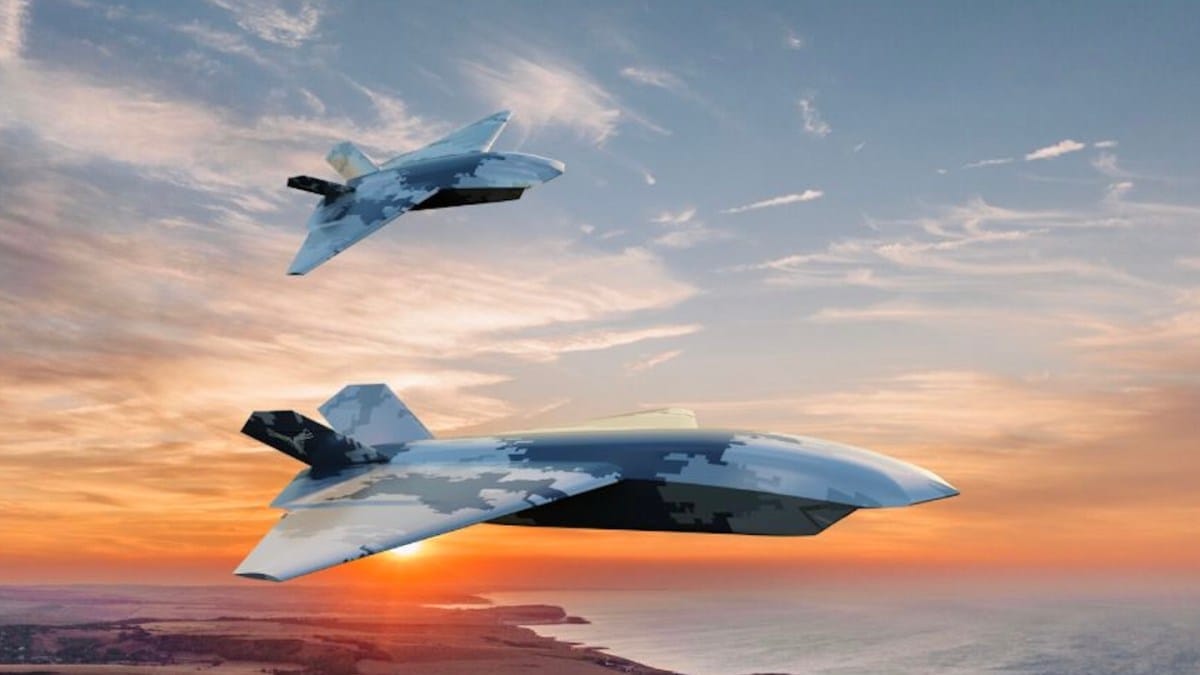
Recent developments in the United Kingdom's military aviation sector signal a renewed commitment to collaborative combat capabilities. With the unveiling of the Storm Fighter Loyal Wingman Program and advancements in drone command technology, the UK is positioning itself to enhance its aerial warfare strategy significantly. These initiatives aim to bolster the effectiveness of existing platforms while preparing for the future of combat aviation.
What Happened
The UK has officially introduced the Storm Fighter Loyal Wingman Program, intended to operate alongside established platforms such as the Typhoon and F-35, as well as the forthcoming Tempest. This initiative revives Britain's ambitions for collaborative combat aircraft, highlighting a strategic pivot towards integrated air combat capabilities.
In tandem with this program, BAE Systems has unveiled an innovative helmet-mounted system designed specifically for pilots. This advanced technology will enable them to manage battlefield data effectively and command fleets of drones during future air combat missions. As sixth-generation fighter jets draw closer to operational reality, these advancements are crucial for modernizing air combat tactics.
The Strategic Calculus
The integration of the Storm Fighter into the UK’s air combat framework represents a significant strategic move. With the dual focus on manned and unmanned systems, the UK aims to create a more versatile and resilient air force. The implications of these developments include:
- Enhanced Operational Flexibility: The Storm Fighter will provide additional support to existing aircraft, allowing for more complex mission profiles.
- Improved Command and Control: BAE's helmet-mounted system will facilitate real-time data sharing and tactical command over drone fleets, crucial for future air engagements.
- Increased Collaboration: The emphasis on collaborative aircraft suggests a shift towards joint operations with allies, enhancing interoperability.
As the UK continues to invest in these technologies, analysts will be watching closely to assess how these advancements might influence future military engagements and partnerships.
What Comes Next
Looking ahead, the success of the Storm Fighter Program and BAE's helmet technology will depend on effective integration into existing military frameworks and operational strategies. Key areas to observe include:
- Testing and evaluation phases for the Storm Fighter to determine its effectiveness in real-world scenarios.
- Development timelines for the helmet-mounted system and its adoption by pilot training programs.
- Potential international partnerships that could emerge as the UK seeks to enhance its combat capabilities in collaboration with allies.
The UK's ambition to lead in next-generation aviation technology is evident, and these initiatives will play a pivotal role in shaping the future of air combat. As defense professionals, staying informed on these developments will be crucial for understanding the evolving landscape of military aviation.
Sources: Twz, Thedefensepost, The Defense Post, GOV.UK, and Türkiye Today