Advancements in Unmanned Systems at Eurosatory 2026: A Look at Triton USV and Drone Innovations

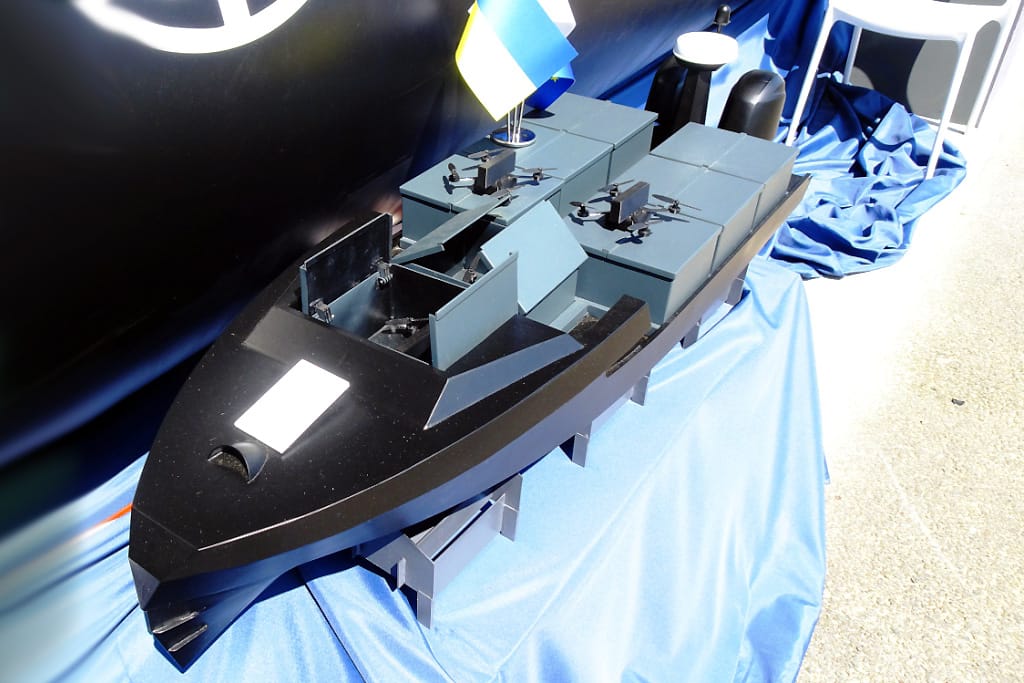
The recent Eurosatory 2026 exhibition showcased significant developments in unmanned systems, highlighting the Triton unmanned surface vehicle (USV) and innovative drone technologies aimed at enhancing maritime and aerial operations. With NATO's commitment to bolstering surveillance capabilities, the focus on unmanned technologies signals a strategic shift in defense operations.
What Happened
Global Mark introduced its multifunctional Triton USV during the Eurosatory open static display. This USV is designed to serve various operational needs, reflecting the increasing reliance on unmanned systems in modern warfare.
In a related development, NATO announced plans to acquire up to five Northrop Grumman Triton drones for maritime surveillance. Alliance Secretary-General Mark Rutte emphasized the importance of this initiative, stating, “It is genuinely made in NATO and is creating jobs on both sides of the Atlantic.” This acquisition underscores NATO's focus on enhancing its surveillance capabilities in response to evolving geopolitical challenges.
The Strategic Calculus
The integration of unmanned systems like the Triton USV and Northrop Grumman drones into NATO's operational framework is indicative of a broader strategy to modernize defense capabilities. The Triton USV's versatility allows for:
- Enhanced surveillance and reconnaissance missions
- Improved operational efficiency in maritime environments
- Potential for supporting drone operations, including future deployments involving first-person-view (FPV) drones
This strategic shift aims to address increasing maritime threats and enhance NATO's deterrence posture. Furthermore, the introduction of a “radio-silent” drone interceptor by a Swedish startup, measuring only 1 foot long, signifies a growing focus on counter-drone technologies. This lightweight solution is tailored to neutralize aerial threats, which could complement NATO’s surveillance and reconnaissance frameworks.
The Bigger Picture
The evolution of unmanned systems represents a significant trend within defense operations, particularly as nations respond to complex security environments. Key implications include:
- Increased investment in unmanned technologies by NATO member states
- Strategic partnerships that foster job creation and technological innovation
- A shift in operational tactics to incorporate both aerial and maritime unmanned systems for enhanced situational awareness
As NATO and its allies continue to develop and integrate these technologies, analysts will be watching how these advancements will influence future military engagements and operational readiness.
Sources: Edrmagazine, Defensenews, Thedefensepost, U.S. Embassy in the Philippines (.gov), Marine News Magazine, Asian Military Review, and Center for European Policy Analysis (CEPA)