Advances in Battlefield Medicine: DARPA's Synthetic Blood Initiative

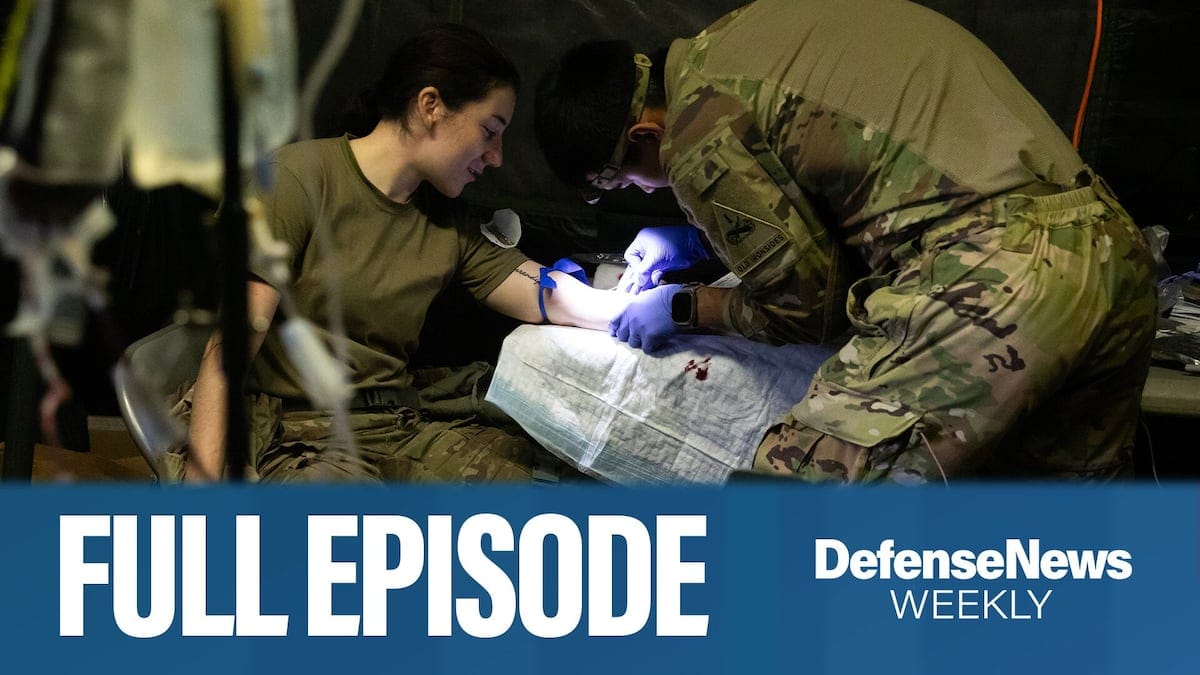
In a significant move toward enhancing emergency medical care on the battlefield, DARPA and biotechnology firms are nearing a breakthrough with synthetic human blood substitutes. This innovation aims to address the urgent need for medical solutions that can effectively support military personnel during critical situations.
What happened
Recent developments have showcased a prototype of a lab-made human blood product, which was unveiled during military exercises. This synthetic blood, designed to be shelf-stable, represents a potential game-changer in battlefield medicine. The initiative, driven by DARPA's commitment to advancing medical technology, is in the final stages of research and development.
Elaine Haynes from KaloCyte, a company focused on creating essential ingredients for this blood substitute, indicated that they are on the brink of delivering the product to troops. This advancement could significantly reduce the risks associated with blood shortages during military operations, ultimately saving lives.
The strategic calculus
The implications of this synthetic blood substitute are profound for battlefield logistics and medical care. Key advantages include:
- Shelf-stability: Unlike traditional blood products, which require refrigeration and have a limited shelf life, synthetic blood can be stored for extended periods, making it ideal for deployment in remote locations.
- Emergency response: The availability of a blood substitute can facilitate immediate treatment for severe injuries, potentially improving survival rates among wounded soldiers.
- Logistical efficiency: Reducing reliance on donated blood supplies streamlines logistical operations, especially in combat zones where access to medical facilities is limited.
This initiative is particularly timely given the ongoing challenges faced by military medical personnel in treating trauma cases under duress. As the synthetic blood substitute progresses toward deployment, analysts will be closely monitoring how this technology integrates into existing medical protocols.
What comes next
The transition from prototype to field-ready product will require rigorous testing and validation. DARPA's ongoing collaboration with industry partners like KaloCyte will be critical in navigating these final steps. The expectation is that successful trials will culminate in a new standard for emergency battlefield care.
As DARPA continues to push the biotech envelope, the defense community should remain vigilant regarding the advancements of synthetic blood technology. The potential for this substitute to revolutionize emergency medical care on the battlefield cannot be overstated, raising questions about future military medical strategies and the overall impact on troop readiness and safety.
Sources: Defensenews, Defense News, Science | AAAS, Maryland School of Medicine, and The New Yorker