AI-Powered Mosquito Traps Enhance Malaria Detection for US Army

US Army Tests Innovative AI Technology in South Korea
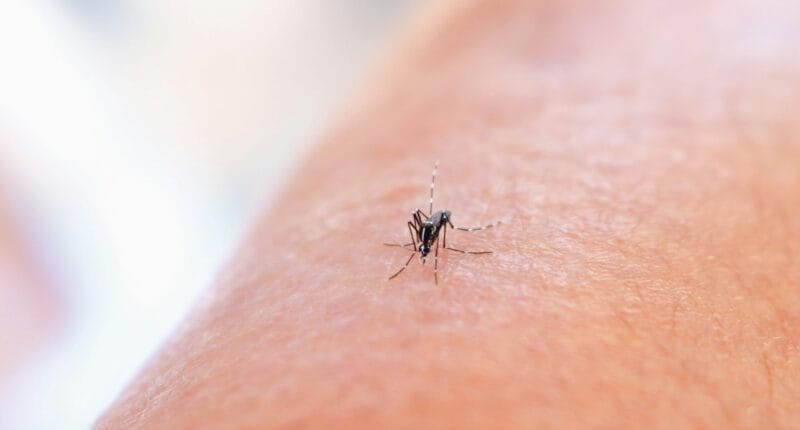
The US Army is currently testing AI-powered mosquito traps in South Korea, aimed at rapidly detecting malaria threats to enhance force readiness. This initiative is part of an innovation challenge that underscores the Army's commitment to leveraging advanced technology to combat health risks in deployed environments.
Malaria poses a significant risk to military personnel stationed in regions where the disease is prevalent. Traditional methods of monitoring mosquito populations and identifying malaria threats can be time-consuming and inefficient. By incorporating AI, these mosquito traps can potentially provide real-time data, allowing for quicker responses to emerging health risks. The testing phase is critical as it evaluates the effectiveness of these traps in identifying malaria vectors, which could lead to improved preventative measures and enhanced operational capabilities for troops stationed in vulnerable areas.
Implications for Future Military Operations
This development highlights the Army's focus on integrating cutting-edge solutions to safeguard troops' health and operational effectiveness. The use of AI not only streamlines the detection process but also allows for more accurate data collection, which is essential for effective malaria management. As military operations increasingly occur in diverse and challenging environments, the ability to swiftly respond to health threats becomes paramount.
The implications are significant: if successful, this technology could be adopted across various theaters of operation, potentially reducing the incidence of malaria among soldiers and improving overall mission readiness. This raises the question of whether similar AI applications could be developed for other vector-borne diseases, thereby expanding the Army's health surveillance capabilities.
Sources: Thedefensepost, The Defense Post, The Korea Herald, and army.mil