Air Force Expands Strategic Footprint in Alaska

Expansion of Fightertown Alaska
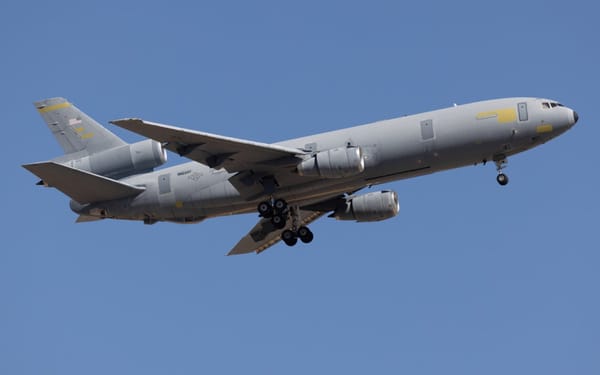
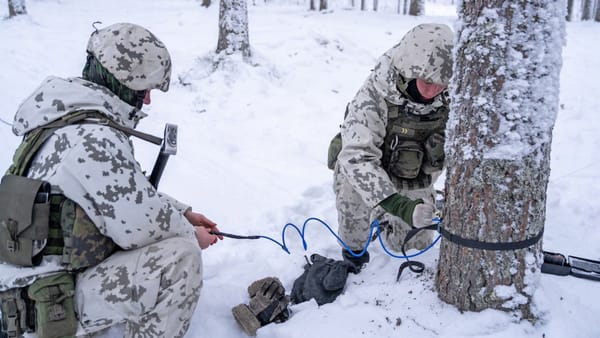
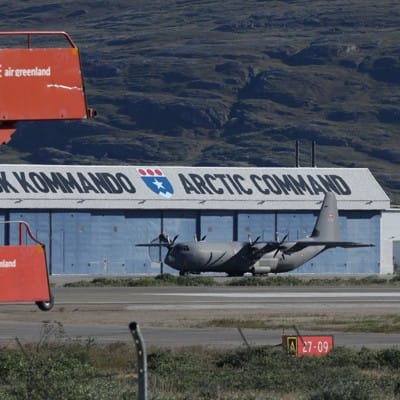
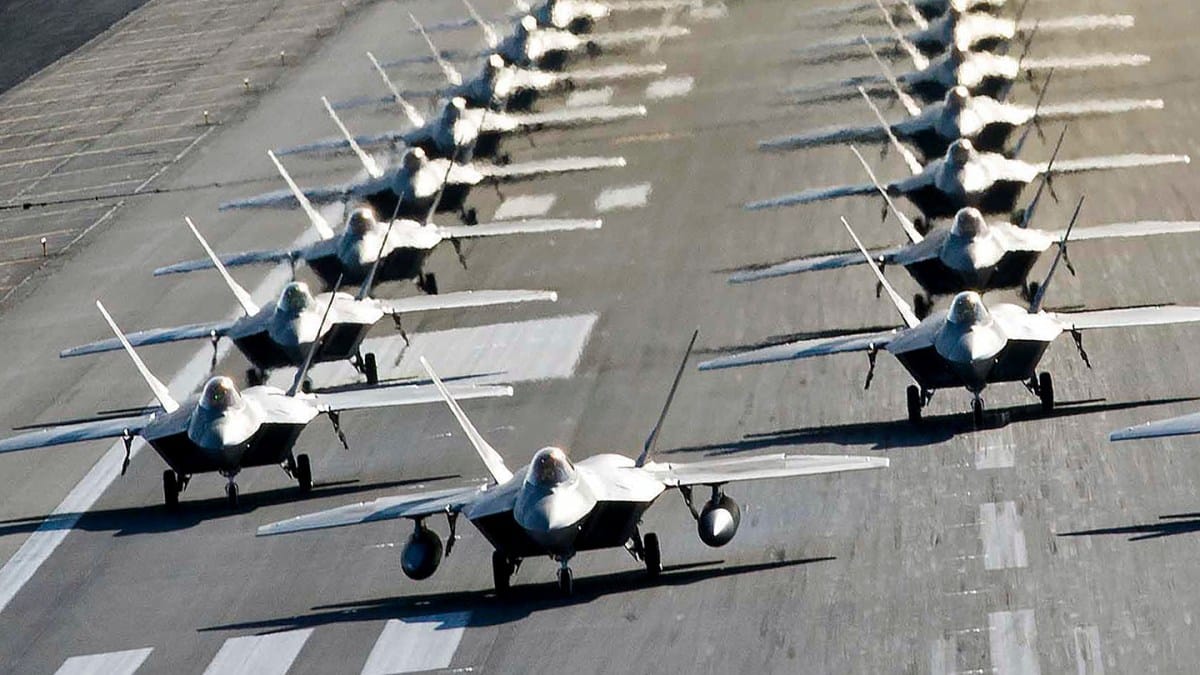
The United States Air Force is set to significantly enhance its operational capabilities at its northern base, known as Fightertown Alaska. This initiative comes as the strategic importance of Alaska for both Arctic and Pacific operations is increasingly recognized. The expansion is part of a broader effort to bolster the military's readiness and presence in the region, responding to evolving global security dynamics.
Alaska has long served as a critical hub for military operations, providing strategic access to both the Arctic and Pacific theaters. As geopolitical tensions rise, particularly in relation to Russia and China, the Air Force's initiative aims to modernize its facilities and increase the deployment of advanced fighter aircraft and support systems. This expansion is expected to not only enhance the Air Force’s operational readiness but also serve as a deterrent against potential adversaries in the region.
Strategic Implications
With the enhancement of Fightertown Alaska, military analysts will closely monitor the implications for U.S. defense posture in the Arctic. The increased presence of advanced military assets could shift the balance of power in a region that is becoming increasingly contested. Furthermore, this move underscores the U.S. commitment to ensuring security in its northern flank, potentially prompting responses from adversarial nations.
The implications of this initiative extend beyond immediate military readiness. As Alaska's role in Arctic and Pacific operations grows, it may influence regional alliances and collaborations. The expansion raises questions about future military engagements and the potential need for further investments in infrastructure and capabilities to support sustained operations. Overall, the Air Force's plan reflects a proactive approach to maintaining U.S. interests in a rapidly changing global landscape.
Sources: Twz, Alaska Watchman, Mat-Su Valley Frontiersman, and NBS Bangla