Air Force MQ-9 Reaper Inventory Reduction and Future Strategy

Current Status of the MQ-9 Fleet
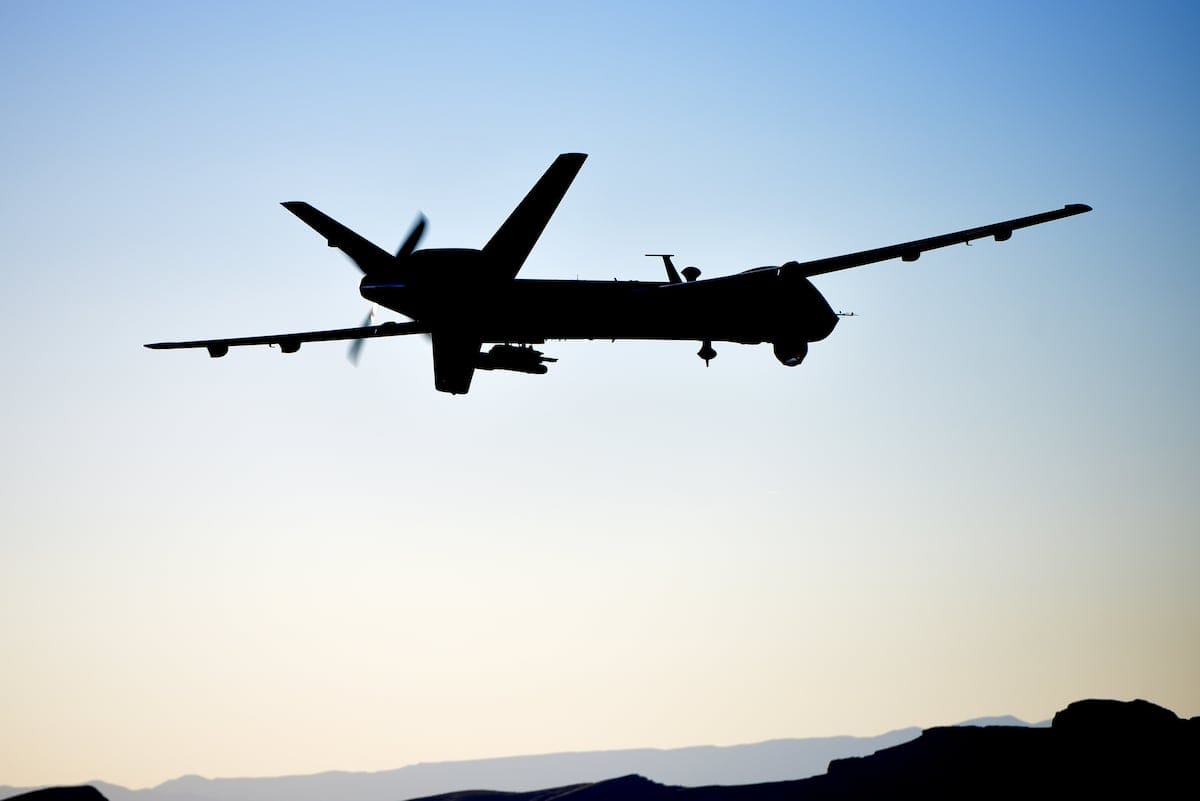
The United States Air Force’s inventory of MQ-9 Reaper drones has declined to 135 aircraft following combat losses incurred during operations against Iran. This reduction has prompted the Air Force to reevaluate its strategy regarding unmanned aerial vehicles (UAVs), particularly in terms of replenishing its fleet and exploring alternatives that could offer a more cost-effective solution.
Strategic Implications
The Air Force is not only focused on backfilling the MQ-9 inventory but is also considering the development of a cheaper, more expendable replacement. This move signals a shift in operational strategy as the service seeks to maintain effective UAV capabilities while addressing budgetary constraints and the challenges posed by adversarial threats. The focus on expendability suggests an acknowledgment of the high-risk environments in which these drones operate, particularly in regions like Iran, where losses can significantly affect operational readiness and mission success.
Analysts will be watching how this strategy evolves, especially in terms of the technological advancements that may emerge from the push for more affordable UAV systems. The need for a robust drone fleet in modern warfare is paramount, and the Air Force's approach could influence not only its operational effectiveness but also the future of drone warfare and procurement strategies within the broader defense community.
This adjustment raises the question of how the Air Force plans to balance cost-effectiveness with the operational capabilities required for complex missions. As global security dynamics shift, the implications of these decisions will be critical in ensuring that the U.S. maintains its strategic advantage in unmanned warfare.
Sources: Defensenews, The War Zone, Center for International Maritime Security, Air & Space Forces Magazine, and Defence Security Asia