Air Force's MQ-9 Reaper Successor to Emphasize Cost Efficiency Over Survivability

New Directions for Drone Development
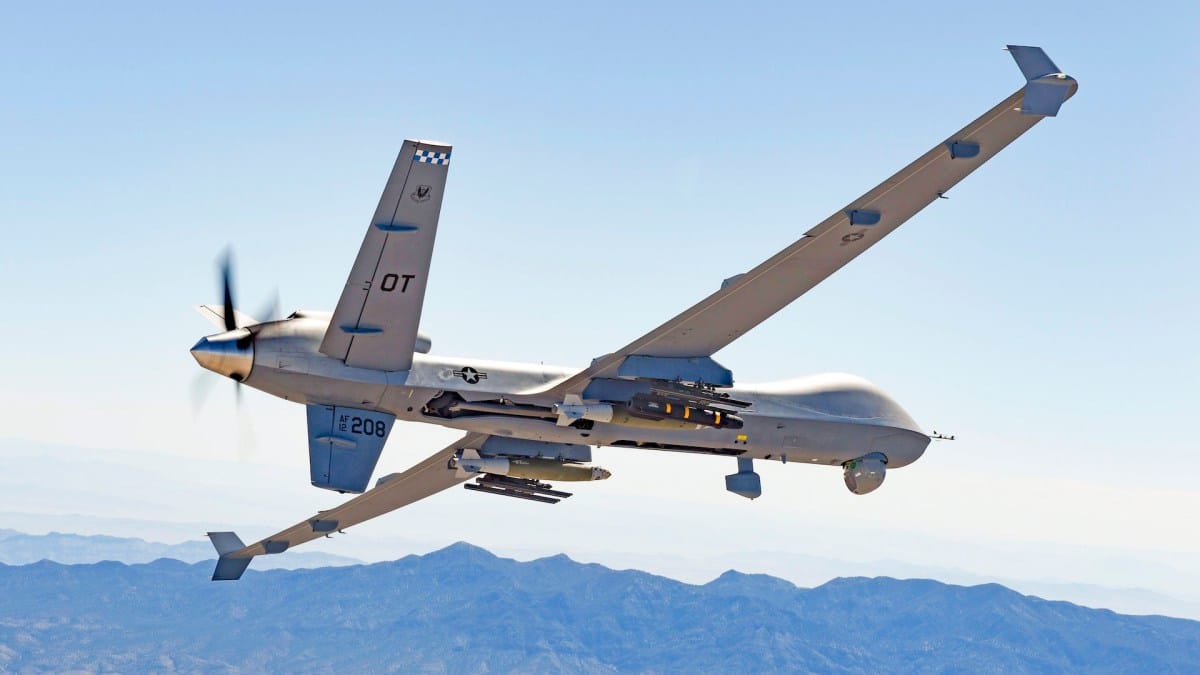
The U.S. Air Force is set to redefine its approach to drone technology with the upcoming successor to the MQ-9 Reaper, prioritizing lower costs and broader mission capabilities over traditional survivability. This strategic shift aims to facilitate mass production of the new unmanned aerial vehicle (UAV), accommodating a wider range of operational requirements.
This move reflects a significant change in military procurement philosophy, acknowledging the necessity of affordable drones that can be deployed in greater numbers. The emphasis on cost-effectiveness could allow for more aggressive tactics, enabling the Air Force to execute missions that might have previously been deemed too risky for high-value assets. As the battlefield evolves, the ability to field a larger fleet of less expensive drones could enhance operational flexibility and responsiveness.
Implications for Future Operations
By opting for a drone that can be sacrificed without significant financial repercussions, the Air Force could engage in more daring missions while mitigating the loss of high-value assets. This strategy may also influence the development of similar systems by other military branches and allied nations, potentially reshaping combat dynamics. Observers will be keen to see how this new operational doctrine impacts overall military strategy and resource allocation.
The implications of this shift are far-reaching, as it raises questions about the balance between cost, capability, and risk in modern warfare. As military conflicts become increasingly complex and multifaceted, the ability to integrate cost-effective UAVs into broader combat strategies will likely play a crucial role in future engagements.
Sources: Twz, Defence Security Asia, NST Online, Lieber Institute West Point, and eglin.af.mil