Analysis of the $1.2 Trillion Golden Dome Cost Estimate and Its Implications

Overview of the Golden Dome Initiative
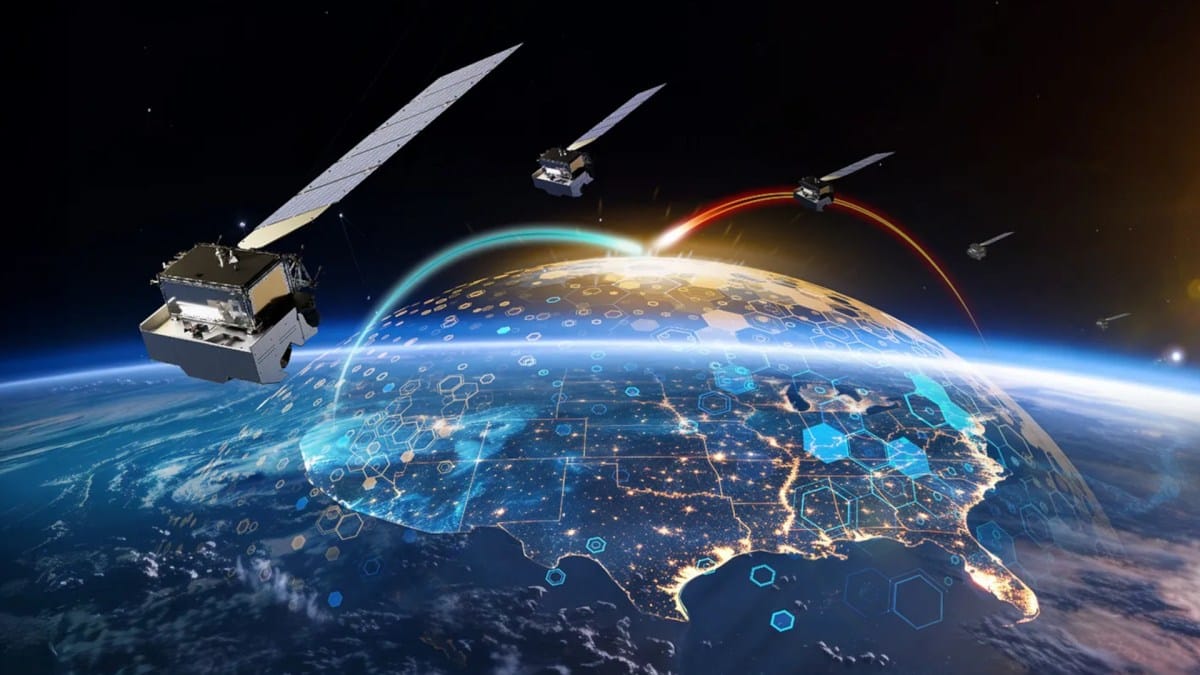
The Golden Dome initiative, projected to cost approximately $1.2 trillion, aims to deploy 7,800 interceptors in low Earth orbit. This ambitious project is designed to enhance the United States' ability to counter intercontinental ballistic missile (ICBM) threats. However, according to the Congressional Budget Office (CBO), even with this extensive network of interceptors, the system would only be capable of engaging 10 ICBMs simultaneously.
Strategic Context and Analysis
This significant investment underscores the U.S. commitment to advancing its missile defense capabilities in an evolving global threat landscape. The reliance on a large number of interceptors, while intended to bolster defense, raises questions regarding the overall effectiveness and resilience of the system. Analysts note that the ability to engage only 10 ICBMs at once could be seen as a limitation, particularly given the increasing sophistication and potential volume of missile threats from adversaries.
Moreover, the deployment of these interceptors in low Earth orbit adds a layer of complexity to space-based operations. The potential for geopolitical tensions in space could escalate as other nations may perceive this initiative as a direct challenge to their own defense systems. This necessitates careful diplomatic navigation to prevent an arms race in outer space.
Why It Matters
The implications of the Golden Dome project extend beyond financial considerations; they touch on the viability of U.S. missile defense strategy as a whole. As the U.S. seeks to modernize its defense posture, analysts will be watching how this initiative influences both national security and international relations. The effectiveness of the Golden Dome could set a precedent for future defense expenditures and strategic planning in the face of emerging threats.
Sources: Twz, The War Zone, Army Recognition, Air & Space Forces Magazine, and Bulletin of the Atomic Scientists