Analysts Identify Sources of Russia's GPS Jamming Activities in the Baltic Region

Assessing GNSS Interference in the Baltic Region: A Tactical Overview
Emerging Threats in Electronic Warfare
Recent analyses by Polish researchers have illuminated concerning trends in Global Navigation Satellite System (GNSS) interference within the Baltic Sea—a phenomenon that has escalated since Russia’s military intervention in Ukraine. The contamination of airwaves has raised significant operational challenges for both aviation and maritime activities, posing a strategic dilemma for nations in northeastern Europe.
Operational Disruption
Since the outbreak of the conflict in February 2022, countless aircraft and vessels navigating this crucial region have reported disruptions attributed to deliberate jamming and spoofing initiatives linked to Russian military capabilities. Key impacts include:
- Flight Path Alterations: Numerous flights have been forced off their intended routes.
- Service Interruptions: Several commercial trips were canceled, and airport operations became suspended as a direct consequence of impaired navigation systems.
- Increased Risk: The unresolved disruptions have heightened safety concerns among aviators and ship operators reliant on GNSS.
Identifying the Culprits
Authorities from Estonia, Latvia, Lithuania, and other Baltic states have pointed accusatory fingers toward Russian forces. In March, a coalition of eight European nations, including Finland and France, formally complained to the United Nations regarding these operational tactics. Multiple UN agencies are currently investigating these interferences, considering their implications for international maritime and aviation laws.
Although Russia shares borders with the Baltic Sea and is impacted by its own jamming activities, the Kremlin has remained conspicuously silent on the matter, raising questions about its intentions.
Pinpointing the Source
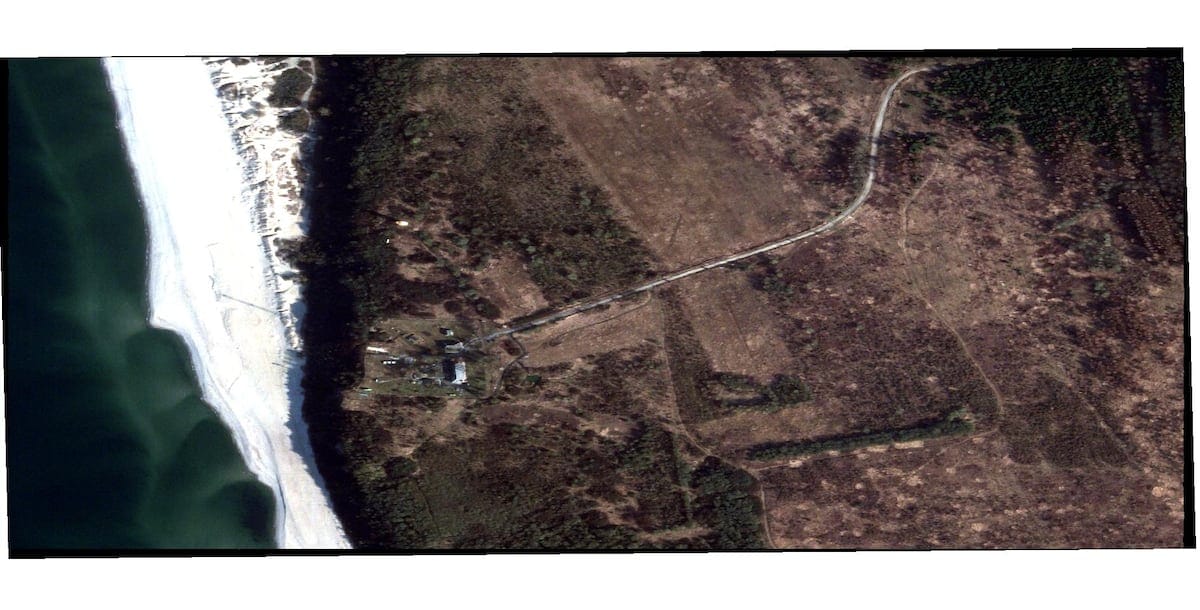
Intelligence collected from open-source data sources indicates that the epicenters of GNSS disruption can be traced back primarily to two locations: the Kaliningrad exclave and the vicinity of St. Petersburg. These areas are characterized by a substantial military presence, especially units specializing in electronic warfare.
The ongoing monitoring initiative established by Gdynia Maritime University, in collaboration with various institutions, has identified specific coordinates for these malicious signals:
- Kaliningrad Locations: Triangulation efforts have revealed two coastal origins for GNSS disruptions, positioned about one kilometer from known military installations.
- St. Petersburg Area: Recorded jamming operations have also extended into this territory, where sophisticated electronic warfare capabilities are concentrated.
Mechanisms of Attack: Jamming vs. Spoofing
GNSS interference manifests through two primary tactics: jamming and spoofing.
- Jamming: This technique involves overwhelming legitimate GNSS signals with stronger radio waves, rendering navigation systems ineffective. The jamming is particularly potent given the inherent vulnerability of GNSS transmissions.
- Spoofing: More advanced and covert, spoofing manipulates GNSS data, presenting false positional information to systems dependent on accurate location data. This has posed considerable challenges for electronic navigation systems.
Experts have observed scaling shifts in these methods, with recent indications that spoofing has become increasingly prevalent, complicating detection and mitigation efforts.
Strategic Implications and Response Measures
The impact of GNSS disruptions extends beyond immediate navigation challenges; they possess broader implications for military preparedness in the region. Analysts characterize these actions as a manifestation of Russian hybrid warfare tactics, aimed at undermining NATO’s operational capabilities and eroding trust in essential navigational frameworks. The situation can be summarized as:
- Hybrid Warfare Strategy: The ongoing interference is seen as an intentional act designed to disrupt daily operations and violate established international protocols.
- Regional Reactions: Countries like Estonia and Lithuania are enhancing their cybersecurity and electronic warfare countermeasures. This includes developing land-based navigation systems as a fallback to satellite functionality.
Exploring Solutions: Resilience in Navigation Systems
In response to these precarious circumstances, technological advancements in navigation methods are a priority. There are several promising avenues:
- Land-Based Systems: Initiatives like the R-Mode Baltic project utilize terrestrial beacons to provide navigational data independent of satellite inputs. This approach aims to mitigate GNSS vulnerabilities.
- Upgraded Receivers: Enhanced GNSS devices equipped with advanced anti-jamming capabilities are being deployed, enabling resilience against these disruptive tactics.
- Collaborative International Efforts: Countries are pooling resources and expertise to develop terrestrial alternatives to GNSS, with noteworthy projects in the UK and South Korea emerging from previous experiences with military jamming.
Conclusion: The Need for Vigilance
As GNSS interference continues to complicate the operational landscape in the Baltic region, military and civilian authorities must maintain vigilance. The lessons learned from these developments necessitate strategic foresight to ensure the reliability of navigation systems in an era where electronic warfare is increasingly common. Continuous adaptation and innovation in response to these evolving threats will be essential for ensuring maritime and aerial safety in the Baltic Sea and beyond.
Author Bio:
Linus Höller is a Europe correspondent for Defense News, focusing on international security and military developments. He holds a degree in journalism and political science and is pursuing advanced studies in nonproliferation and terrorism.