Analyzing the Double Standards of Mercenary Use in African Conflicts

Disparities in Mercenary Employment
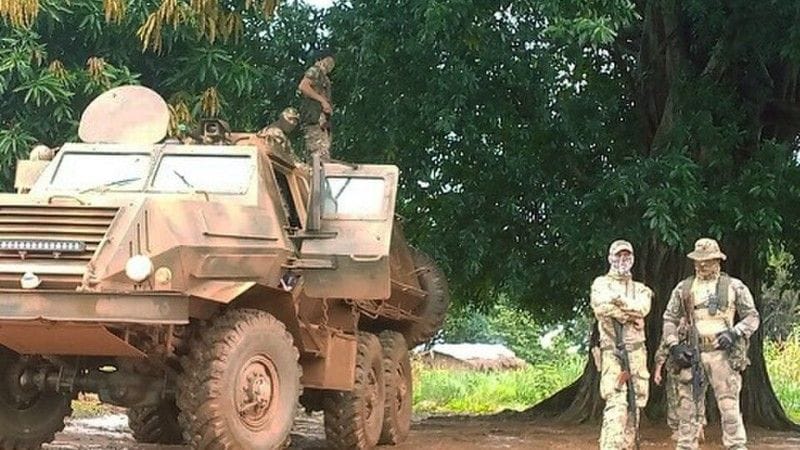
The ongoing use of mercenaries in African conflicts raises significant questions about international scrutiny and accountability. Notably, Russia has faced criticism for its deployment of mercenaries in Mali and the Central African Republic. In stark contrast, the involvement of Colombian mercenaries—affiliated with a company linked to the United Arab Emirates—training the Rapid Support Forces in Sudan has not attracted the same level of condemnation. This discrepancy highlights a potential double standard in how different nations are assessed for similar actions.
The employment of mercenaries is not a new phenomenon; it has been a recurring element in global conflicts. The varying responses to mercenary activity in Africa reflect broader geopolitical dynamics, including the interests of major powers and their allies. The lack of criticism directed towards certain nations suggests a selective approach to international norms regarding mercenary use. This inconsistency raises important questions about the motivations behind such disparities and the implications for global security governance.
Why It Matters
This situation underscores the need for a more unified international standard regarding the use of mercenaries in conflict zones. Analysts will be watching to see how this selective criticism affects diplomatic relations and conflict resolution efforts in Africa. The implication is that inconsistencies in addressing mercenary involvement could embolden certain states while undermining global efforts to regulate private military companies. As the geopolitical landscape evolves, the discourse surrounding mercenaries will likely continue to impact both regional stability and international security frameworks.
Sources: Defence24, Carnegie Endowment for International Peace, Transnational Institute, Universidad de Navarra, and E-International Relations