Anduril Unveils Thunder: A New Era for Autonomous Attack Rotorcraft

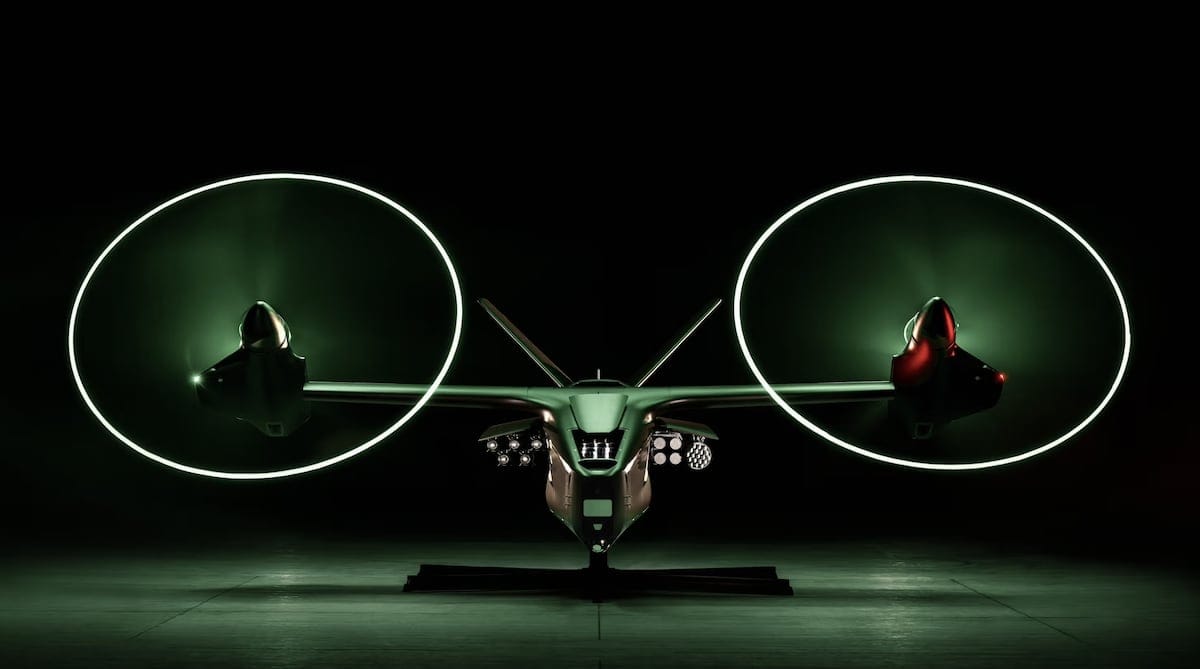
Overview of Thunder
Anduril has introduced its latest innovation, the autonomous attack rotorcraft named Thunder. This new platform is engineered to function alongside both current and next-generation crewed attack helicopter systems, marking a significant advancement in unmanned aerial vehicle technology.
Strategic Implications
The introduction of Thunder signals a shift in how military operations may be conducted in the future. By integrating autonomous systems with traditional crewed aircraft, Anduril aims to enhance operational flexibility and effectiveness. The capability of Thunder to operate in conjunction with existing helicopter platforms suggests a potential for improved mission success rates and reduced risks to human pilots during high-stakes operations.
Furthermore, as military forces globally look to modernize and adapt to evolving threats, the deployment of unmanned systems like Thunder could reshape tactical approaches to combat. The emphasis on autonomy in rotary-wing platforms indicates a growing recognition of the need for innovative solutions that can provide operational advantages in contested environments.
Why It Matters
The unveiling of Thunder raises questions about the future role of autonomous systems in defense strategy. Analysts will be watching how military organizations adapt to these technologies and incorporate them into their operational frameworks. The implications for future conflict are profound, as the integration of autonomous rotorcraft could lead to new tactics and strategies that prioritize efficiency and safety for personnel. As the defense landscape evolves, capabilities like those offered by Thunder could become essential in maintaining a competitive edge.
Sources: Defensenews, Anduril, Archer Aviation - Investor Relations, Defense News, and Reuters