Apache Incident Near Oman Highlights Evolving Air Combat Challenges

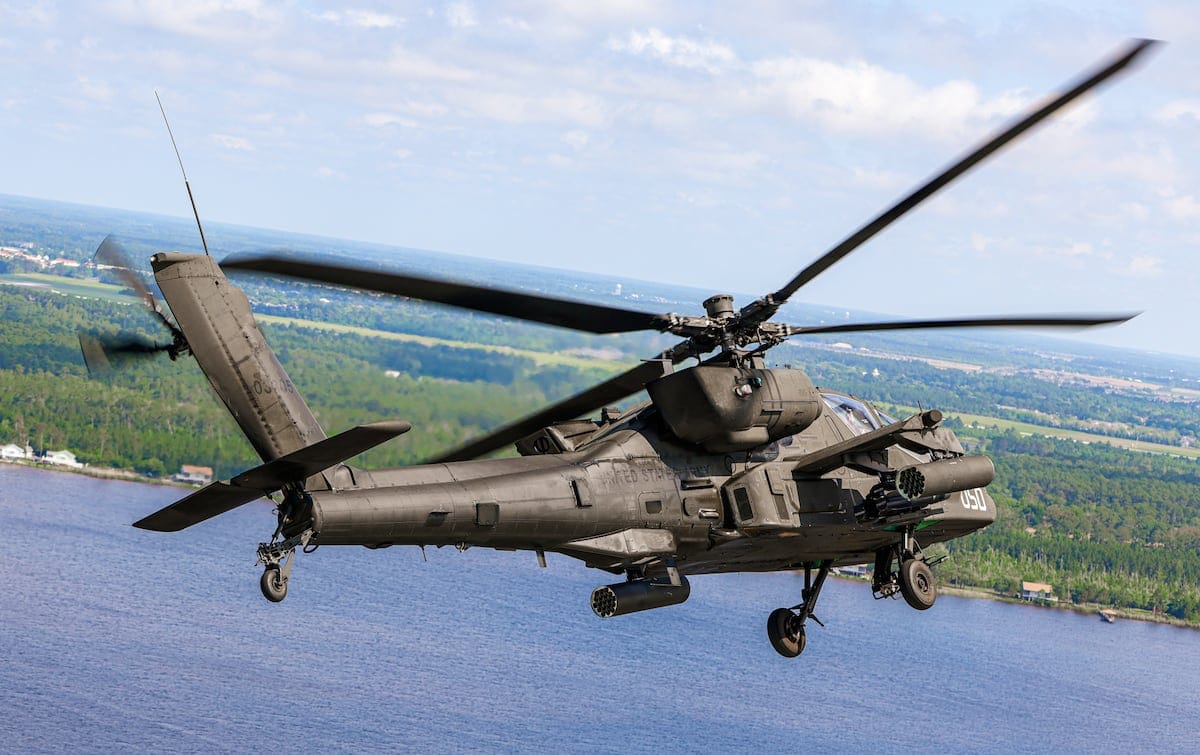
Incident Overview
A U.S. Army Apache helicopter went down near Oman, raising significant concerns among military analysts regarding the evolving nature of air combat. The incident underscores the challenges faced by traditional air assets as they encounter increasingly sophisticated and cost-effective drone technology on the battlefield.
Context and Analysis
The downing of the Apache illustrates a critical shift in aerial warfare dynamics. Analysts point to the growing prevalence of rapidly evolving drones as a primary factor in this transformation. These drones are not only cheaper to produce but are also capable of advanced maneuvers that can outmatch traditional air assets in certain scenarios. The implications of this incident signal a potential reevaluation of air combat strategies and the capabilities of manned aircraft in the face of unmanned systems.
As U.S. military forces and allies continue to adapt to these new realities, there is a pressing need for enhanced integration of drone technology into existing air operations. This will require not only technological innovation but also a comprehensive analysis of tactics and engagement protocols to ensure that manned assets can effectively counter drone threats.
Why it matters: The incident serves as a stark reminder that the landscape of air combat is rapidly changing. Analysts will be watching closely to see how military organizations respond to these challenges. The implication is that without significant advancements in air combat capabilities, traditional platforms like the Apache may face increased vulnerability in future conflicts.
Sources: Defensenews, Military Times, WSJ, AP News, and The New York Times