Armenia's Strategic Dilemma: Balancing Relations with Russia and the West

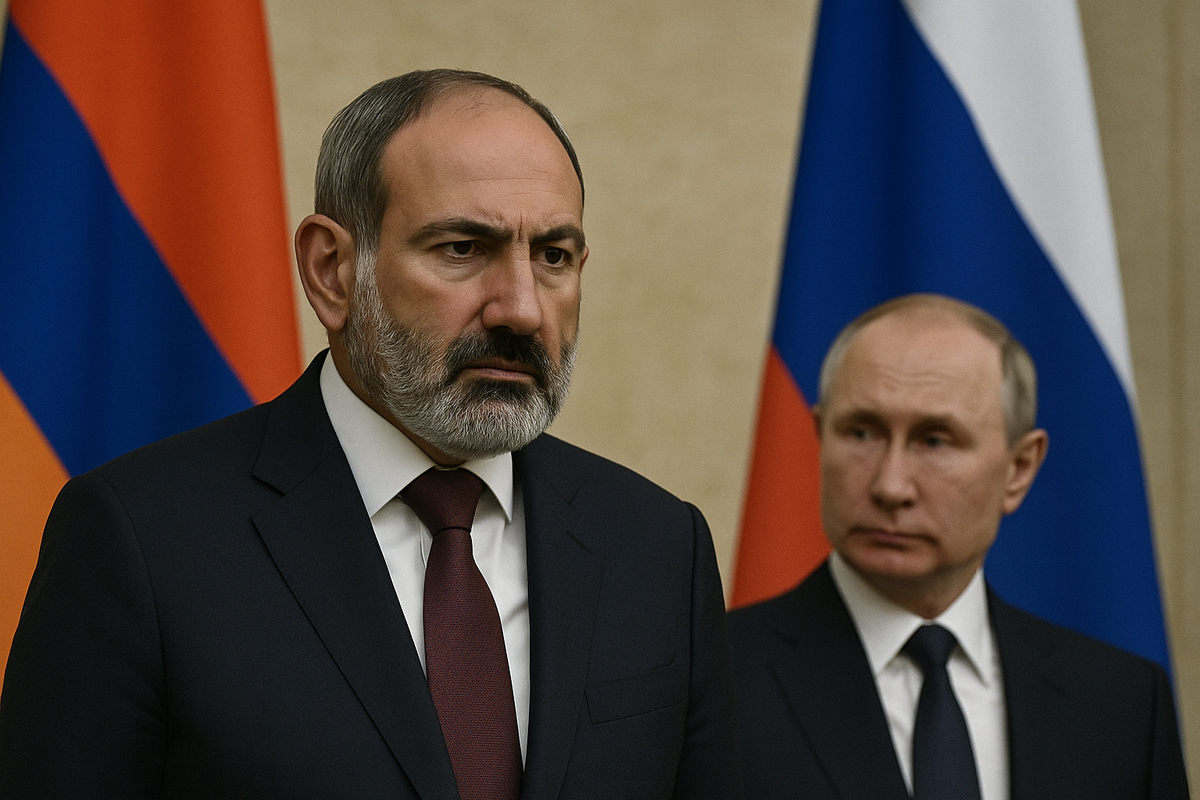
Upcoming Visit Amid Political Transition
Armenian Prime Minister Nikol Pashinyan is preparing for a visit to Russia, where he is scheduled to meet with President Vladimir Putin. This meeting is expected to occur following Armenia's parliamentary elections, an event that could significantly influence the future trajectory of Armenia's foreign relations. Pashinyan faces a critical decision: whether to uphold the country's longstanding alliance with Russia or to deepen ties with Western nations.
Context of Armenia's Geopolitical Position
Armenia's relationship with Russia has historically been a cornerstone of its foreign policy, particularly given the security challenges it faces in the region. However, recent shifts in global dynamics and a growing pro-Western sentiment within Armenia have complicated this relationship. Pashinyan's government has expressed interest in aligning more closely with Western institutions, which raises questions about the sustainability of Armenia's reliance on Russia for security and economic support. As the parliamentary elections approach, the internal political landscape may further impact Armenia's foreign policy directions.
This situation emphasizes the importance of strategic choices for Armenia. The upcoming meeting with Putin will likely be scrutinized for signals regarding Armenia's future alliances and policy orientations. A pivot towards the West could result in a redefinition of Armenia's national security framework, while continued allegiance to Russia may reinforce existing dependencies that could limit Armenia's sovereignty.
The implications of Pashinyan's decisions are profound. Analysts will be watching how this visit influences Armenia's geopolitical stance and its potential shift towards the European Union or other Western partnerships. As regional tensions persist, the outcomes of this meeting could reverberate through Armenia's security arrangements and economic prospects, shaping not only its future but also the stability of the South Caucasus region.
Sources: Defence24, Reuters, Taipei Times, Al Jazeera, and The Kyiv Independent