Army Aims to Enhance Division-Level Formations with Advanced Cyber Capabilities

Enhancing Army Cyber Capabilities: A Strategic Imperative
Augmented Cyber Capabilities for Tactical Units
In a significant shift towards integrated electronic warfare and cybersecurity, the U.S. Army is determined to enhance its combat formations with advanced cyber capabilities. The focus primarily revolves around equipping division-level units with cyber tools designed for immediate battlefield application, set to unfold within the next two years.
Adapting to the Evolving Battlefield
The evolving nature of warfare demands a reevaluation of how cyber capabilities are deployed in military operations. Maj. Gen. Ryan Janovic, Commander of the Cyber Center of Excellence, emphasizes the necessity of embedding cyber resources within tactical formations. The aim is to empower commanders with a robust understanding of their operational environments—particularly the Internet Protocol (IP) networks they are working within—while simultaneously developing strategies to outmaneuver adversaries.
- Strategic Focus: Current military strategies utilize the cyber mission force, which comprises 147 specialized teams dedicated to conducting operations mainly at strategic levels.
- Operational Imperatives: Given the rise of non-IP targets and limitations of remote access capabilities, the Army is also exploring expeditionary cyber units that can be responsive to immediate tactical needs.
Integrating Cyber and Electronic Warfare
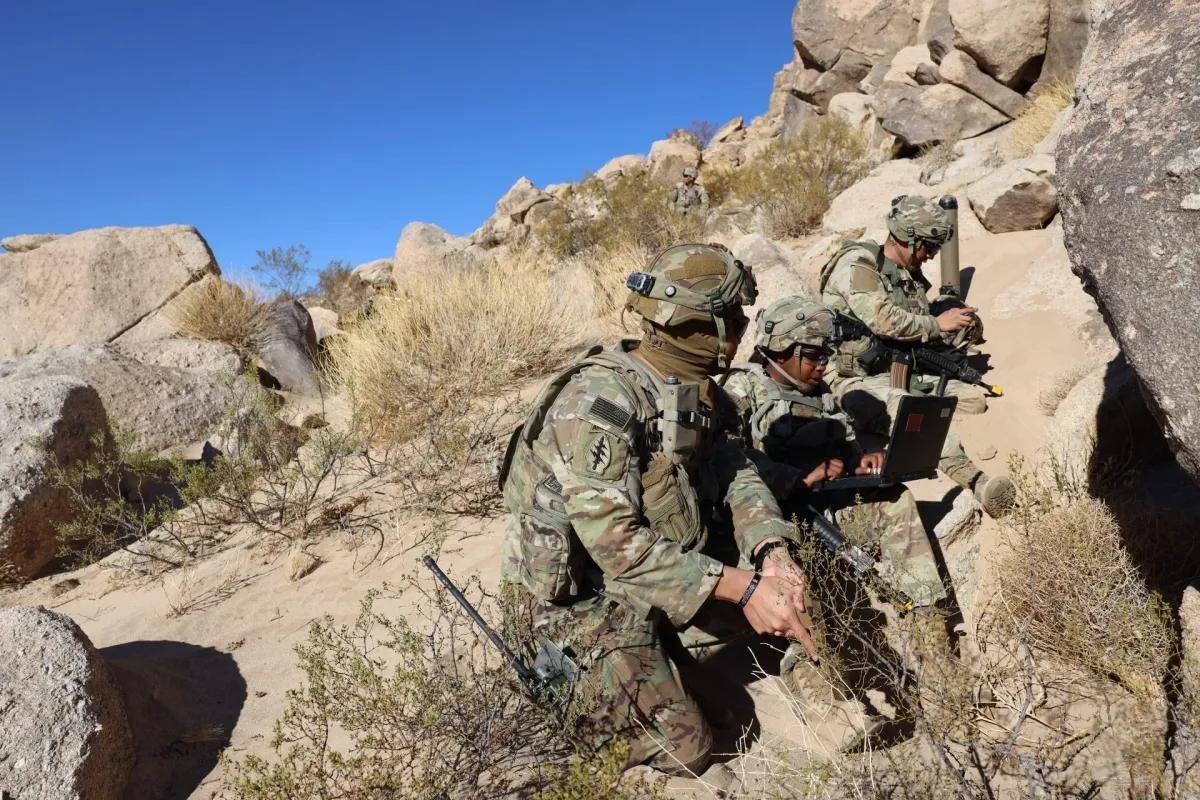
Under the auspices of the 11th Cyber Battalion, the Army is charting new territory by integrating cyber operations with electronic warfare (EW). This unit will facilitate tactical on-ground cyber missions, utilizing Radio Frequency (RF) capabilities alongside digital tools for enhanced situational awareness.
- Expeditionary Cyber Teams (ECTs): These adaptable formations are designed to augment operational units as required. Their primary responsibility is to assist maneuver commanders in a battlefield context, providing direct access to essential cyber capabilities.
In this integrated framework, soldiers in the Army’s cyber branch (17 series) train in both cybersecurity and electronic warfare. The overlapping nature of these disciplines underscores the importance of having personnel proficient in both areas, addressing the challenges posed by hybrid warfare.
Operational Planning and Command Synchronization
To cultivate effective cyber operations at the division level, the Army plans to establish Cyber and Electromagnetic Activities (CEMA) sections within each staff echelon. These sections will facilitate the synchronization of capabilities and ensure that commanders can rapidly deploy cyber effects.
- Timeliness: A critical challenge lies in the seamless transfer of cyber assets in response to tactical demands. Anticipating and addressing the requirements of commanders operates as a constant balancing act.
Expanding the Cyber Landscape
The Army’s exploration of where ECTs will be stationed—either at theater or corps levels—highlights the pressing need to refine operational frameworks. The objective is to ensure rapid responsiveness to evolving battlefield demands.
Key considerations include:
- Rapid Capability Deployment: Experimentation is vital to determine how to expedite capability generation within the cyber mission force while maintaining balance.
- Interconnectivity: Effective communication across domains—recognizing the distinctions between IP requirements and RF demands—is essential for operational success.
Insights from Leadership on Future Directions
Brandon Pugh, the Army’s Principal Cyber Advisor, has voiced strong support for enhancing cyber capabilities within operational units, particularly praising the initiatives undertaken by the 11th Cyber Battalion. Pugh underscored the necessity for these advancements to occur within a broader strategic context, stating:
- “Integrating cyber capabilities within traditional battle formations is essential for modern warfare.”
- “Proximity to the battlefield allows for more effective execution of cyber strategies, particularly in electronic warfare scenarios.”
Pugh’s advocacy extends to securing the necessary resources through informed budgetary decisions, ensuring that expeditionary cyber capabilities receive attention proportionate to their importance on future battlefields.
Conclusion: Preparing for Complex Challenges Ahead
As the Army emphasizes the incorporation of cyber assets into operational units, the transition toward a more integrated approach to electronic warfare and cybersecurity becomes paramount. This evolution in strategy not only addresses contemporary challenges but also positions the Army for success against increasingly sophisticated adversaries. The path forward involves embracing complexity while ensuring that technological advancements translate into reinforced military efficacy on the ground.