US Army Acquires First Autonomous H-60Mx Black Hawk Helicopter for High-Risk Combat Missions

Advancements in Rotary-Wing Capability: The H-60Mx Black Hawk
Introduction of the H-60Mx Black Hawk
On March 20, 2026, the U.S. Army received its inaugural optionally piloted H-60Mx Black Hawk helicopter, a significant advancement that allows for operations both autonomously and with a crew. This capability is particularly advantageous in high-risk missions, minimizing exposure for pilots in contested environments.
Enhanced Operational Flexibility
The H-60Mx introduces a variety of operational possibilities through its autonomous and remote navigation capabilities. This is expected to bolster mission profiles while improving safety for personnel engaged in frontline operations.
- Risk Reduction: By enabling operations without pilots in the cockpit, the Army enhances crew safety.
- Diverse Mission Profiles: It opens new avenues for logistics, casualty evacuations, and reconnaissance in environments deemed critical or hazardous.
Validation Campaign
The receipt of this advanced aircraft initiates a comprehensive testing campaign led by the U.S. Army, aiming to affirm the aircraft’s autonomous functionalities, remote control capabilities, and integration into live combat scenarios. This move signals a broader transition to sustained operations with fewer onboard personnel, ultimately facilitating mission tempo in increasingly perilous settings.
Technological Advancements from DARPA
Decades of research culminated in the creation of the H-60Mx, with significant contributions from the Defense Advanced Research Projects Agency (DARPA) through its Aircrew Labor In-Cockpit Automation System (ALIAS) initiative. Initially envisioned as a modular kit for retrofitting existing platforms, ALIAS has evolved into a robust autonomy system ready for field evaluation.
- Modular Design: The system permits easy upgrades and the addition of new features tailored to mission requirements.
- Industry Collaboration: Partnerships with leading firms have translated DARPA’s research into deployable functionality, ensuring the platform aligns with U.S. Army modernization goals.
Specifications and Capabilities
The H-60Mx is built upon the UH-60M Black Hawk—the primary utility helicopter for the U.S. Army—structured for various operations including:
- Air assault and mobility
- Medical evacuation
- Command and control
- Logistics support
Performance Metrics
- Powerplant: Twin General Electric T700-GE-701D engines
- Load Capacity: Can transport up to 11 fully equipped personnel or external loads exceeding 4,000 kg.
- Survivability Enhancements: Features crashworthy systems and ballistic resistance.
Autonomy and Flight Control
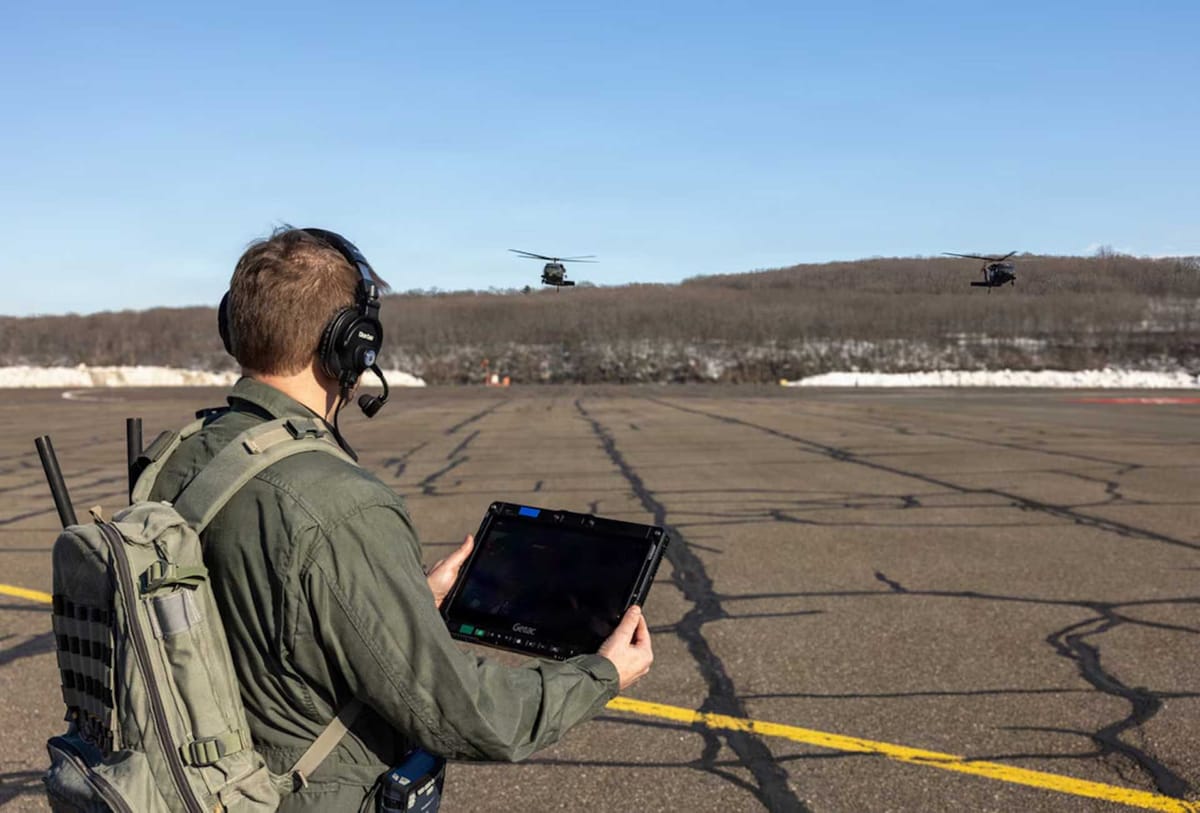
Central to the H-60Mx’s innovative design is its state-of-the-art autonomy mission manager, which acts as a digital co-pilot capable of executing a full range of flight operations.
- Operational Independence: The helicopter can conduct missions autonomously from ground control stations or entirely on its own, thereby redefining logistical support and emergency response capabilities in hostile areas.
Integration and Upgradability
The inclusion of a software development kit (SDK) within the ALIAS optionally piloted vehicle framework fosters swift integration of third-party sensors and AI functions. This open architecture:
- Reduces long-term modification costs.
- Ensures adaptability to fluctuating mission demands.
Transition to Fly-by-Wire Control
A vital aspect of the H-60Mx’s upgrade is its transition to a fly-by-wire control system, enhancing:
- Flight Stability: Particularly in compromised visual landscapes.
- Automated Precision: Enabling deliberate maneuvers while alleviating the crew’s workload.
Test Phase Objectives
Upcoming evaluations will encompass multifaceted operational scenarios, focusing on:
- Autonomous navigation techniques
- Obstacle avoidance systems
- Coordination with both crewed and uncrewed platforms
Special emphasis will be placed on resilience in contested electromagnetic environments, critical for sustaining control under duress.
Broader Implications for Army Aviation
The H-60Mx serves as the testing ground for the U.S. Army’s Strategic Autonomy Flight Enabler (SAFE) program, aimed at standardizing autonomy kits across the Black Hawk fleet. This initiative represents a pivotal advancement towards operating mixed formations of crewed and uncrewed aircraft in complex battle scenarios.
Real-World Applications
Concurrent developments in Texas assess the operational capabilities of ALIAS-equipped UH-60L helicopters while exploring dual-use applications, such as wildland firefighting. These trials illustrate the dual benefits of military autonomy investments—addressing both combat and domestic requirements while refining technological performance.
Personnel and Operational Dynamics
The H-60Mx reshapes personnel operational paradigms for U.S. Army aviation units by:
- Reducing crew demands for specific missions.
- Allowing redistribution of skilled pilots to more challenging operational contexts.
This development not only alleviates pilot fatigue but also mitigates challenges related to pilot shortages and training requirements.
The Operational Edge
With its advanced capabilities, the H-60Mx ensures:
- Sustained operations at high tempos without proportionate increases in personnel risks.
- Viability in maintaining supply routes and conducting emergency evacuations under hostile conditions.
The introduction of the H-60Mx signifies a fundamental shift from experimental autonomy to operational readiness. This platform enhances not only survivability and mission adaptability but also sets the stage for future U.S. Army aviation, where human operators and autonomous systems function cohesively, redefining rotary-wing capabilities in modern warfare. Source link