Army Leadership Faces Scrutiny Over Poland Deployment Decision

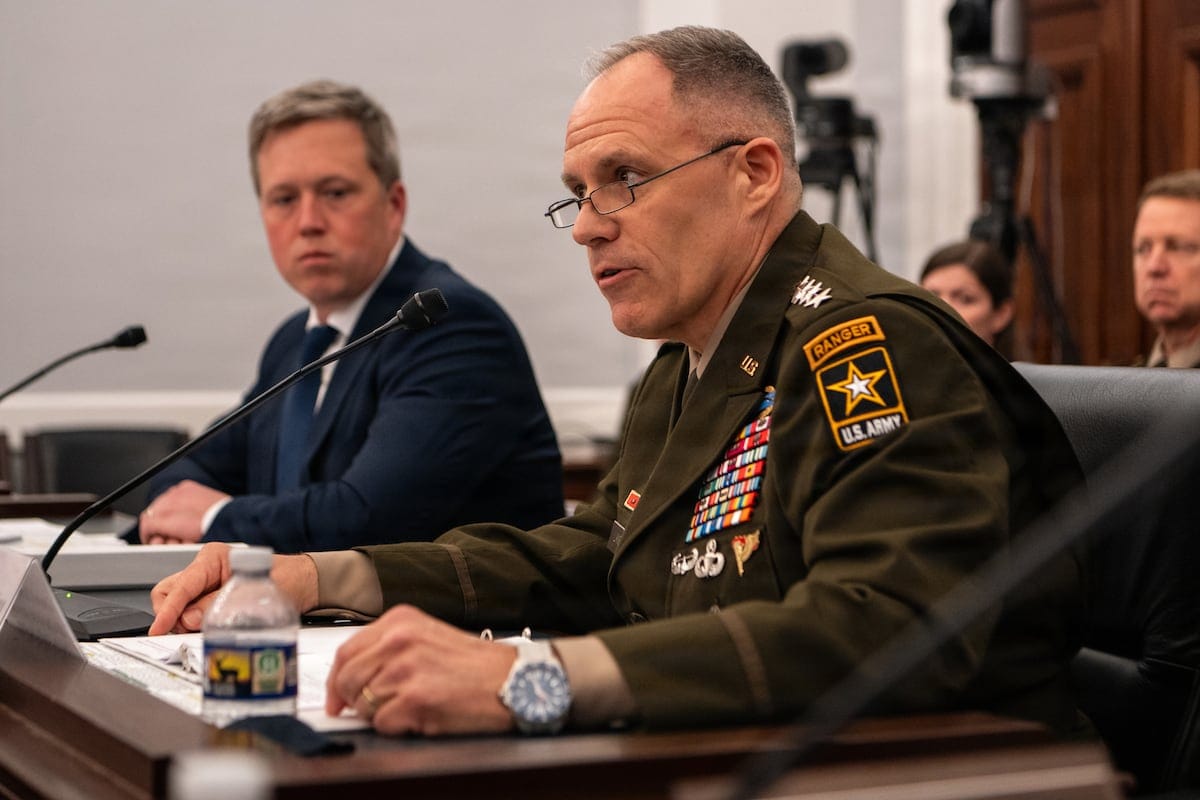
Lawmakers Critique Timing of Deployment Cancellation
Army leaders are under fire following the cancellation of a planned troop deployment to Poland, an order that some lawmakers believe sends a “terrible message to Russia and our allies.” The timing and rationale behind the decision have raised significant concerns among congressional representatives, particularly as tensions in Eastern Europe remain high. Representative Don Bacon, R-Neb., articulated these concerns, suggesting that the decision undermines U.S. credibility in the region.
This development comes at a time when NATO's presence in Eastern Europe is critical for deterrence against potential Russian aggression. Analysts note that the U.S. commitment to its allies is being scrutinized, especially after previous assurances made to bolster security in the region. The decision to halt the deployment has left many questioning the strategic calculations made by military leadership and whether they align with the broader objectives of U.S. foreign policy in Europe.
Implications for U.S. Military Strategy and Alliances
The fallout from this decision could reverberate beyond immediate military implications. It raises the question of how such actions impact the U.S. standing with both NATO allies and adversaries. If the perception is that the U.S. is retreating from its commitments, it may embolden adversaries like Russia, while simultaneously creating uncertainty among allies who rely on U.S. support for their own defense strategies. Lawmakers will likely continue to press for clarity on this issue, as it could influence future military and diplomatic engagements in the region.
As the situation evolves, defense analysts will be closely monitoring reactions from NATO allies and the Russian government. The implications of the Army's decision reflect broader challenges in maintaining a cohesive and credible military posture in a rapidly changing global security environment.
Sources: Defensenews, The Hill, The Washington Post, Newsday, and MSN