Army Overhauls Flight Training Program in Response to Recent Fatal Incidents

Revamping U.S. Army Aviation Training: Addressing Concerns and Enhancing Competence
Background on Aviation Mishaps
In recent years, the U.S. Army has faced a troubling pattern of military aviation incidents, prompting an urgent reassessment of pilot training protocols. The focus now shifts toward fundamental principles in training methodologies—essential for fostering proficient aviators and mitigating safety concerns. This impetus for reform is not merely about adherence to safety protocols; it reflects a broader recognition that effectively trained pilots are critical to operational readiness.
Fundamental Changes in Pilot Training
The Army plans a comprehensive reconfiguration of its training framework, which may include:
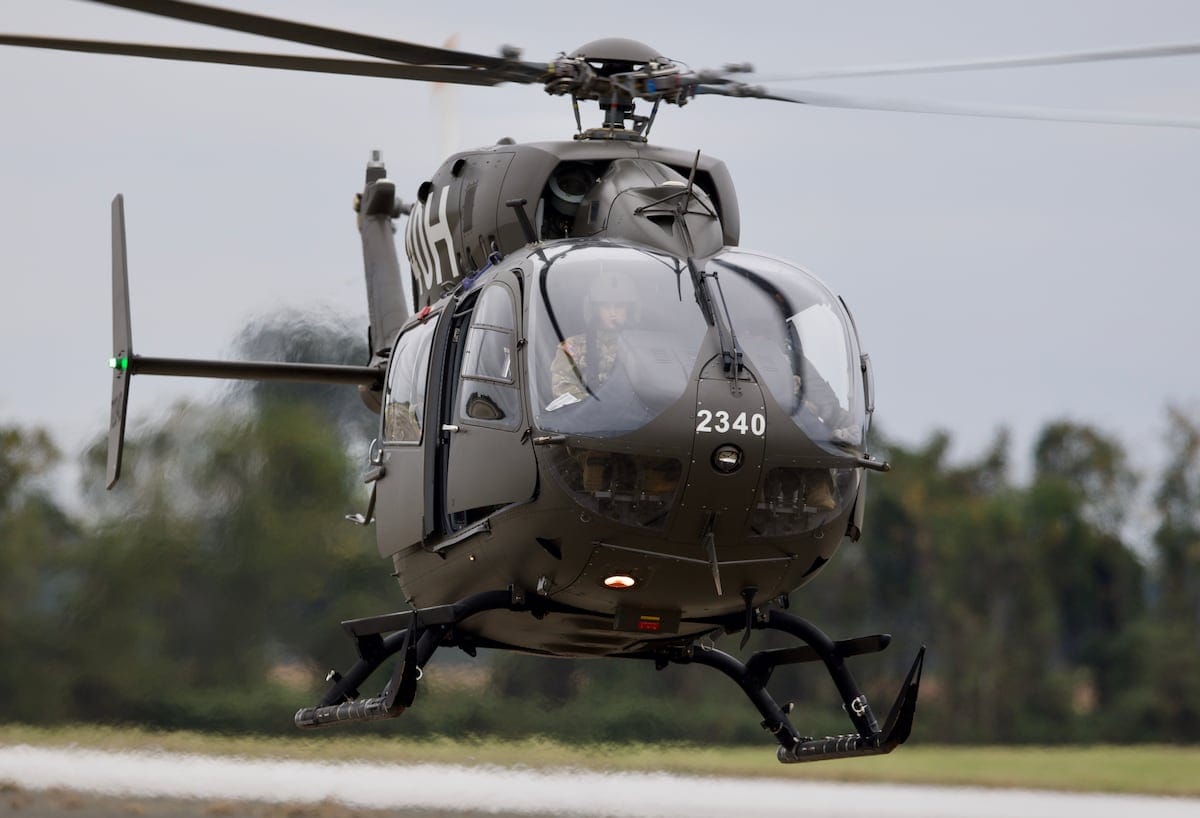
- Evaluation of Training Aircraft: Transitioning away from the currently used advanced LUH-72A Lakota helicopters to more basic models.
- Contractor-Operated Training Facilities: Exploring a contractor-owned and -operated (COCO) model to streamline administration and enhance pilot education.
Maj. Gen. Clair Gill, commander of the Army Aviation Center of Excellence Command, emphasized the central aim—to ensure that new pilots demonstrate competence upon graduation. Reflecting on the recent collision between a Black Hawk helicopter and a passenger jet near Washington D.C., aviation leaders are increasingly aware of the necessity for structural changes.
Analyzing Current Challenges
A key revelation from internal assessments highlighted the disparity between training levels and operational demands. According to former Army Aviation Center of Excellence commander Maj. Gen. Mac McCurry, inadequately trained crews often find themselves “out-training” their contemporaries, risking operational safety and mission execution.
The scale of recent aviation accidents has compelled the Army to intensify its focus on developing robust training programs, particularly at Fort Novosel, Alabama. With the striking increase in mishaps since 2007, it is clear that elevating pilot proficiency is a pressing requirement.
The Shift from Advanced Aircraft
The 2013 decision to replace the TH-67 training aircraft with the more complex Lakota was driven by budgetary pressures and a necessity for modernization. However, critics argue the Lakota’s intricate systems may create dependency, detracting from foundational flying skills essential for a novice aviator.
Maj. Gen. Gill articulated concerns that the advanced technology embedded in the Lakota often obligates pilots to rely on automated systems, undermining their learning curve. Developing essential skills in simpler aircraft would foster an environment where students experience the challenges inherent to aviation from the outset.
Maintenance and Cost Considerations
Furthermore, the complexities of dual-engine aircraft necessitate higher maintenance, presenting logistical challenges in deploying support personnel due to geographical distance from Airbus’s operations in France. In contrast, the operational cost of the Lakota approximates $3,000 per flight hour—comparable to the heavier Black Hawk—while newer training alternatives may cost between $500 to $1,300.
Insights gleaned from a 2020 study by the Boston Consulting Group indicated that transitioning to a single-engine training aircraft could yield substantial cost savings, potentially amounting to hundreds of millions annually.
Contractor Partnerships and Pilot Programs
To expedite the implementation of an optimized training framework, the Army is currently piloting a program with Robinson Helicopter. This initiative includes sending students to Gainesville, Florida, where they will gain practical flight experience on the Robinson R66, thereby augmenting their training with a Federal Aviation Administration (FAA) private pilot certification.
Key features of this pilot program include:
- Practical Solo Flights: Each student will accumulate solo flight hours crucial for developing independence in decision-making and skills.
- FAA Standards: Aligning with FAA training requirements elevates the learning experience to civilian benchmarks.
Maj. Gen. Gill acknowledged the critical nature of unsupervised flying experiences in molding capable aviators.
Future Directions and Industry Collaboration
Should the Army decide on a COCO training model, much of the responsibility for logistical and operational planning will shift to private industry partners. This approach would alleviate administrative burdens while enabling military leadership to concentrate on strategic goals, such as maintaining annual pilot output targets.
Industry partners will be accountable not only for pilot production but also for ensuring that the training apparatus is efficient and effective. Expectations include:
- Minimizing Maintenance Costs: Simpler aircraft models inherently carry reduced maintenance requirements.
- Fostering Realistic Training Environments: Partners must provide systems that emphasize developing fundamental flying skills.
Both Robinson Helicopter and Textron’s Bell are actively pursuing roles in this new training paradigm, with Bell proposing a complete, turnkey flight school solution.
Fiscal Implications and Timelines
With an annual budget of approximately $1.5 billion dedicated to flight training, the Army faces short-term financial implications when transitioning to new aircraft and methodologies. However, this restructuring could enable the reallocation of funds towards enhancing training capabilities, especially with the recent consolidation of operations leading to budgetary adjustments.
The Army’s timeline for implementing these changes is ambitious, with plans to final confirm proposals by late 2025 and establish operational programs by 2027. Immediate timelines for industry engagement signal an urgent desire to operationalize these innovations swiftly.
Exploring options for transforming the Army Aviation training approach is essential as the service grapples with modern challenges in aviation readiness. As Maj. Gen. Gill succinctly noted, speed is essential; the Army must act decisively to advance its training capabilities for a future shaped by complexity and unpredictability.