Army Transformation Efforts Under Scrutiny as Hegseth Rethinks Strategy

Transformation Strategy in Question
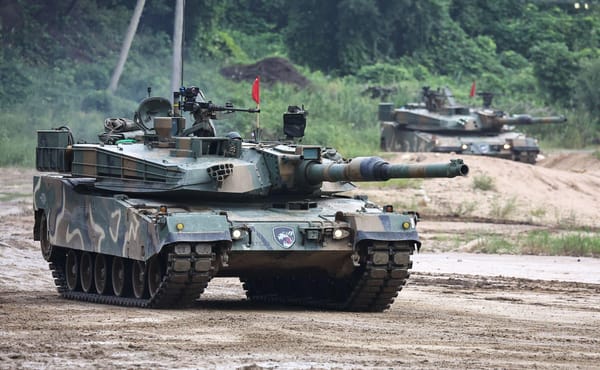
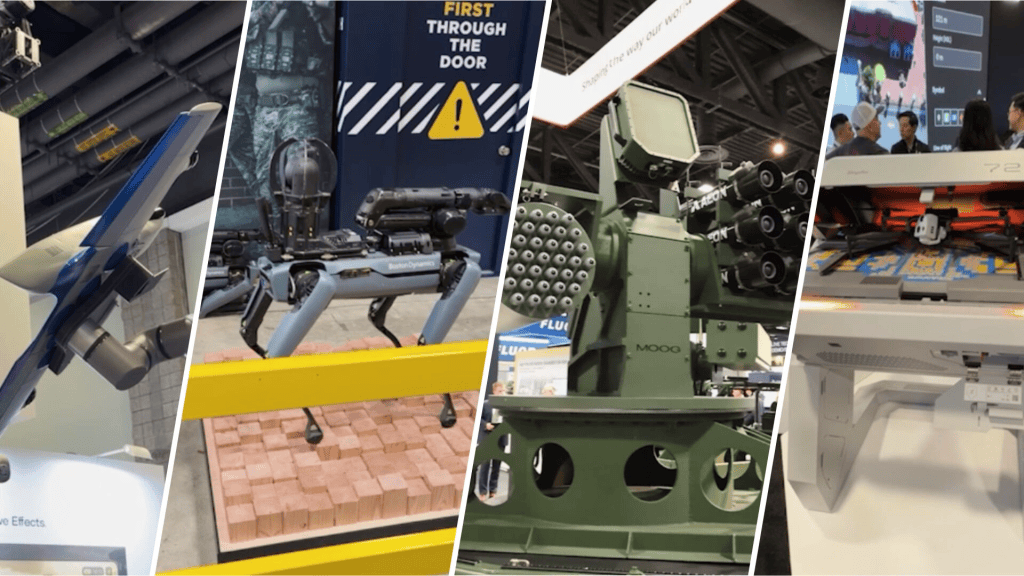
One year into the Army's modernization efforts, Secretary of Defense Pete Hegseth is reconsidering his directive to offload outdated systems in favor of new technologies. This reevaluation comes amid critiques regarding the pace and effectiveness of the Army's transformation initiatives, raising concerns about the service's readiness to meet future challenges.
Hegseth's decision to reassess the strategy indicates a potential shift in focus, driven by the need to balance modernization with maintaining operational capabilities. As the Army aims to integrate advanced technologies, the challenge of effectively phasing out older systems while ensuring that current forces remain equipped and ready cannot be understated. Analysts suggest that this may reflect broader pressures within the military to adapt to rapidly evolving threats without compromising current operational needs.
Implications for Future Readiness
The implications of Hegseth's decision are significant for the Army's overall mission. As the service navigates the complexities of modernization, the question arises: can it effectively innovate while still ensuring that its forces are combat-ready? The potential slowdown in offloading older systems could lead to a more cautious approach to transformation, one that prioritizes immediate operational needs over long-term technological advancements.
This situation underscores the necessity for a balance between maintaining existing capabilities and pursuing modernization. As the Army continues to face challenges both from near-peer adversaries and emerging technologies, the implications of these decisions will be closely monitored by defense analysts and military strategists alike.
Sources: Defenseone, U.S. Department of War (.gov), army.mil, Anadolu Ajansı, and USA Today