Assembly Readiness for Next Generation Adaptive Propulsion Engines

Key Developments in Engine Technology
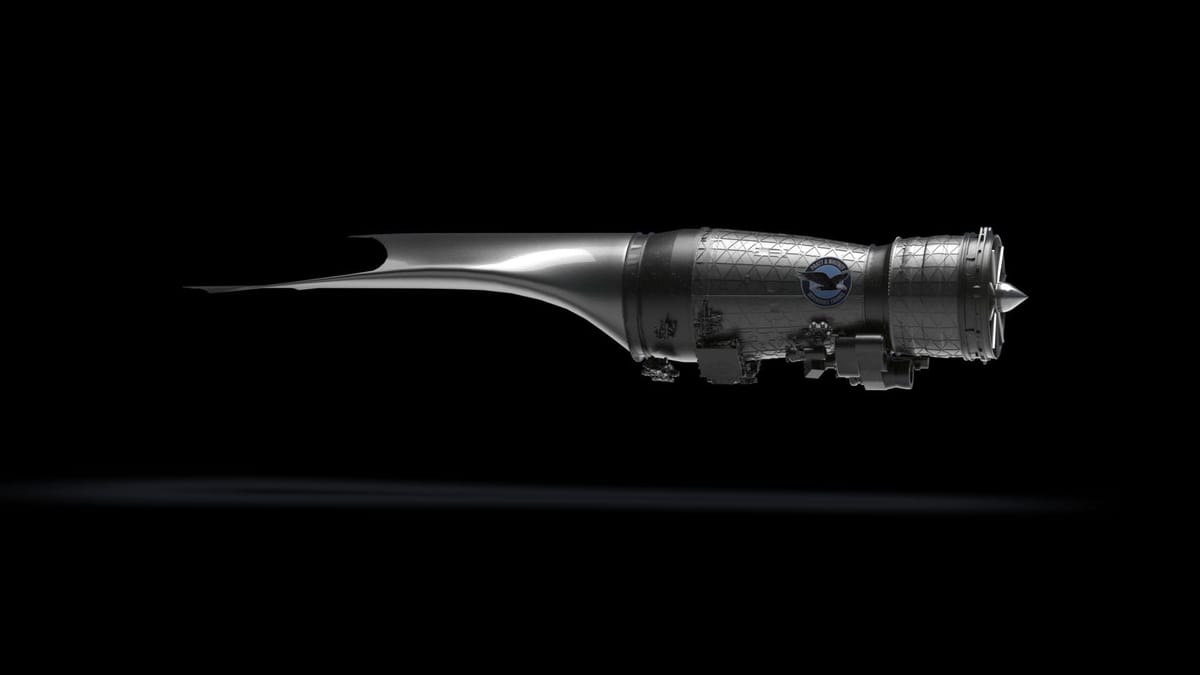
Pratt & Whitney and GE Aerospace have successfully completed assembly readiness reviews for their adaptive cycle engines under the US Air Force’s Next Generation Adaptive Propulsion (NGAP) program. This milestone marks a significant step in advancing the capabilities of future air combat systems, enhancing the performance and versatility of military aircraft.
Context and Implications
The NGAP program aims to develop propulsion systems that improve efficiency and effectiveness across various flight profiles, adapting to mission requirements dynamically. The completion of the assembly reviews indicates that both companies are on track to produce engines that can provide superior thrust and fuel efficiency compared to current models. This technological enhancement is crucial as the US Air Force seeks to maintain air superiority in increasingly contested environments.
The readiness of these engines aligns with broader defense strategies focused on modernization and innovation. As threats evolve, the need for adaptable and high-performing engines becomes imperative. The collaboration between Pratt & Whitney and GE Aerospace showcases a commitment to leveraging cutting-edge technology to meet the future demands of aerial combat.
Why it matters: The successful assembly readiness reviews signal a robust trajectory for the NGAP program, with potential implications for the US Air Force’s operational capabilities. Analysts will be watching how these advancements could affect aircraft design and operational strategies in the coming years. Enhanced propulsion systems could lead to more effective missions, reduced operational costs, and a significant edge over potential adversaries in air engagements.
Sources: Thedefensepost, The Defense Post, AeroTime, Aerospace Testing International, and Aviation A2Z