Assessing the Consequences of U.S. Engagement in Iran

What Happened
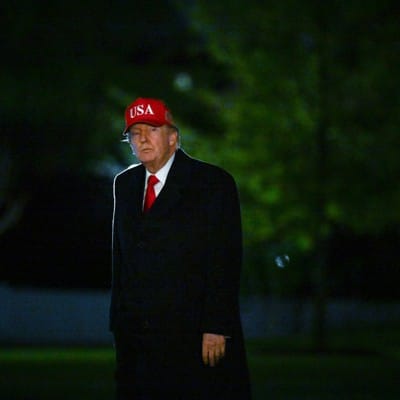
The ongoing conflict in Iran has highlighted significant strains within U.S. foreign policy, particularly under the previous administration. President Trump’s aggressive stance, including the threats of military action, has not only sparked controversy over potential war crimes but also enabled adversaries like China and Russia to exploit the situation for regional gains. As alliances weaken, the U.S. finds itself in a precarious position, struggling to maintain its influence in the great power arena.
The Strategic Calculus
The Pentagon asserts that it maintains air superiority over Iran, yet this claim has come under scrutiny from military experts who argue that the reality is far more complex. The term “air superiority” is being misapplied, glossing over the increasing risks faced by U.S. aircraft in the region. The dangers include:
- Increased anti-aircraft capabilities of Iranian forces
- Heightened risks of downing U.S. aircraft due to sophisticated missile systems
- Potential for miscalculation in engagements leading to escalatory responses
This mischaracterization of operational capabilities could embolden both allies and adversaries, potentially leading to misjudgments in strategic planning. The consequences of a miscalculated engagement could have far-reaching effects on U.S. operational readiness and international standing.
Key Players and Future Implications
The interplay between U.S. actions in Iran and the responses from global powers necessitates a reassessment of strategy. The current geopolitical landscape is shaped by:
- China and Russia: Both nations are leveraging the situation to expand their influence in the Middle East, filling the vacuum created by U.S. disengagement.
- Regional Allies: Nations such as Israel and Saudi Arabia are adjusting their military strategies based on perceived U.S. reliability and the evolving threat landscape.
- Domestic Debate: The U.S. public and political landscape is increasingly focused on the legality and morality of military actions, which could influence future military engagements.
As the U.S. navigates this complex environment, it is crucial to recognize that military actions in Iran are not merely tactical decisions but are deeply intertwined with the broader strategic landscape. The implications for U.S. foreign policy, military readiness, and international relations could be profound, necessitating a recalibration of how military power is projected and perceived.
Sources: Defenseone, The Washington Post, orfonline.org, Foundation for Defense of Democracies, and The Jerusalem Post