Assessing the Implications of Potential U.S. Ground Operations in Iran

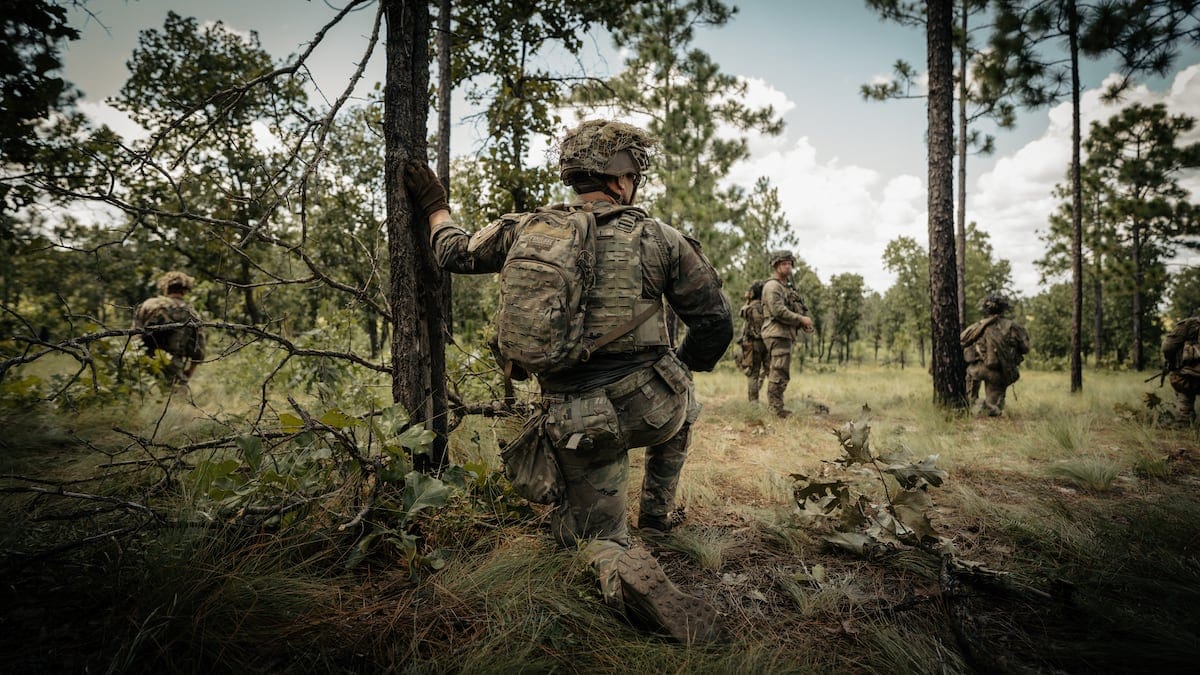
With tensions escalating in the Middle East, the U.S. military is reportedly preparing for extended ground operations in Iran, raising significant questions about the scope and nature of such missions. Recent movements of U.S. military assets to the region, including the Tripoli Amphibious Ready Group and the embarked 31st Marine Expeditionary Unit (MEU), indicate a possible shift from naval to ground-based engagements.
What We Know
Military analysts are evaluating various scenarios that could unfold during ground operations in Iran. These missions may encompass a range of objectives, including:
- Coastal assaults: Targeting strategic ports to disrupt Iranian supply lines.
- Nuclear site raids: Conducting precision strikes on Iran's nuclear facilities to prevent weaponization.
- Counterterrorism operations aimed at Iranian-backed militias throughout the region.
As U.S. assets continue to bolster their presence, the strategic calculus behind these operations becomes increasingly critical. The Pentagon's preparations suggest an acknowledgment of the risks that accompany limited military engagements, particularly within a nation as complex as Iran.
The Strategic Calculus
Several factors underscore the importance of a U.S. ground presence in Iran:
- Regional Stability: Iran's influence in neighboring countries poses a direct threat to U.S. interests and allies.
- Deterrence: A robust military posture may serve as a deterrent against further Iranian aggression.
- Countering Nuclear Proliferation: Ground operations could aim to dismantle Iran's nuclear ambitions, which remain a significant concern for U.S. policymakers.
However, engaging in ground operations carries substantial risks. The potential for significant casualties, both military and civilian, could provoke a backlash not only against U.S. forces but also against regional allies, further complicating an already volatile security landscape.
On the Ground
As preparations intensify, the focus shifts toward the ground realities in Iran. Any military operation would necessitate a nuanced understanding of Iran's geography and socio-political fabric:
- Urban Warfare: Engaging in cities could lead to protracted conflicts, risking civilian lives and international condemnation.
- Widespread Resistance: Iranian forces and its networks of proxy militias could mount fierce resistance, complicating U.S. objectives.
- Logistical Challenges: Sustaining operations over an extended period would require significant logistical support, including supply chains and medical evacuations.
The implications of U.S. ground operations in Iran extend beyond immediate military objectives. They could reshape regional alliances, provoke retaliatory actions from Iran, and alter the dynamics of U.S. engagement with other powers in the Middle East, including Russia and China.
This evolving situation necessitates close monitoring and adaptive strategies as the U.S. navigates a complex web of interests and adversaries in the region. Defense professionals must remain vigilant as these developments unfold, understanding that the consequences of military action could reverberate well beyond Iran's borders.
Sources: Defensenews, American Jewish Committee (AJC), The Washington Post, CNBC, and CBS News