
Australia Unveils Southern Hemisphere's First 3D-Printed Unmanned Surface Vessel

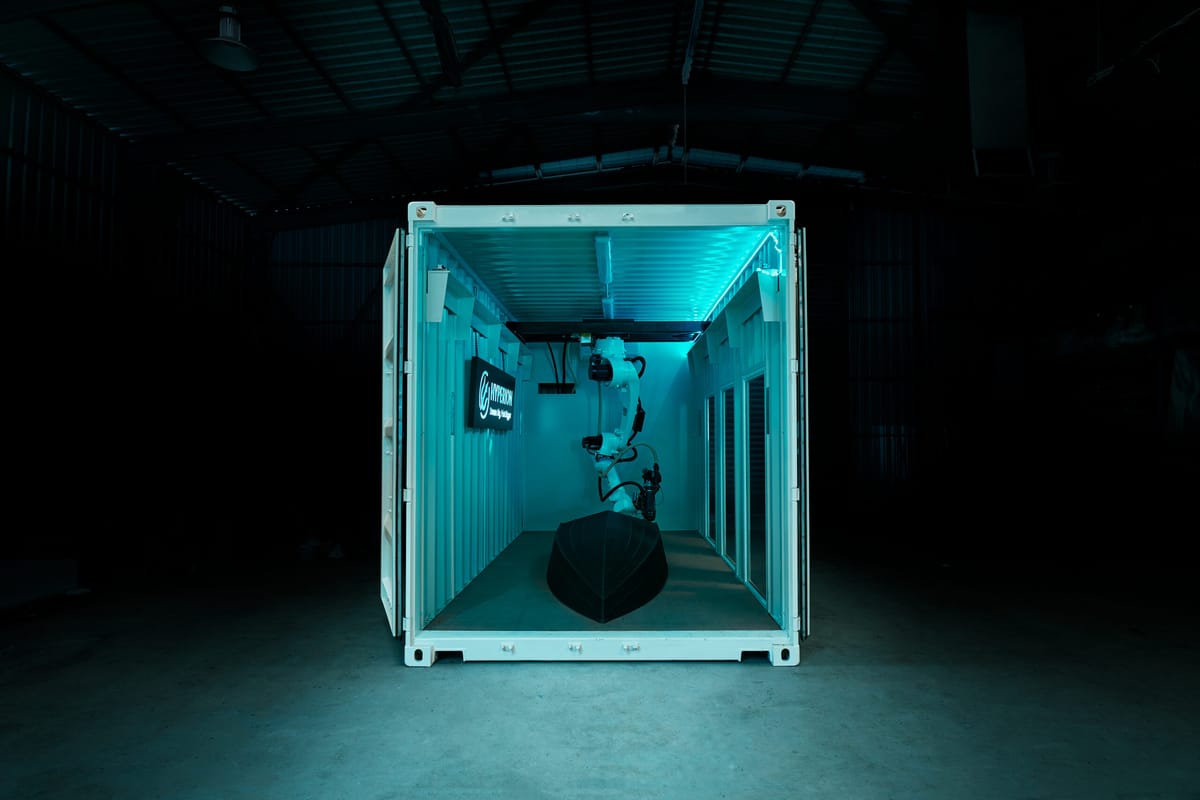
Introduction of ASTRA 460
At a recent defense and security expo in Perth, West Australian firm Hyperion Systems showcased the ASTRA 460, touted as the southern hemisphere’s first 3D-printed unmanned surface vessel. This innovative platform aims to enhance maritime operations and is part of a broader trend towards integrating advanced manufacturing technologies into defense capabilities.
Context and Analysis
The ASTRA 460 represents a significant advancement in naval technology, leveraging 3D printing to potentially reduce costs and improve customization for defense applications. The use of additive manufacturing has been gaining traction globally, allowing for rapid prototyping and agile development of military assets. This vessel's introduction may signify Australia’s commitment to modernizing its defense infrastructure and enhancing its operational readiness in the maritime domain.
Moreover, the deployment of unmanned vessels aligns with global trends in defense where nations are increasingly investing in autonomous systems to complement traditional naval capabilities. The ASTRA 460 could serve various roles, from surveillance to logistics support, thereby enhancing operational flexibility for the Australian Defense Force.
Why It Matters
The emergence of the ASTRA 460 raises questions about the future landscape of naval warfare and the role of autonomous systems in defense strategies. As countries like Australia explore innovative solutions to enhance their military capabilities, analysts will be watching how this technology influences regional security dynamics, particularly in the Indo-Pacific arena. The implication is that such advancements could lead to enhanced deterrence and operational effectiveness in maritime operations.
Sources: Thedefensepost, The Defense Post, Interesting Engineering, VoxelMatters, and Marine Insight




