Australian Army Brigade Increases Fuel Needs Amid Armor Buildup

Fuel Consumption Surge During High-Intensity Operations
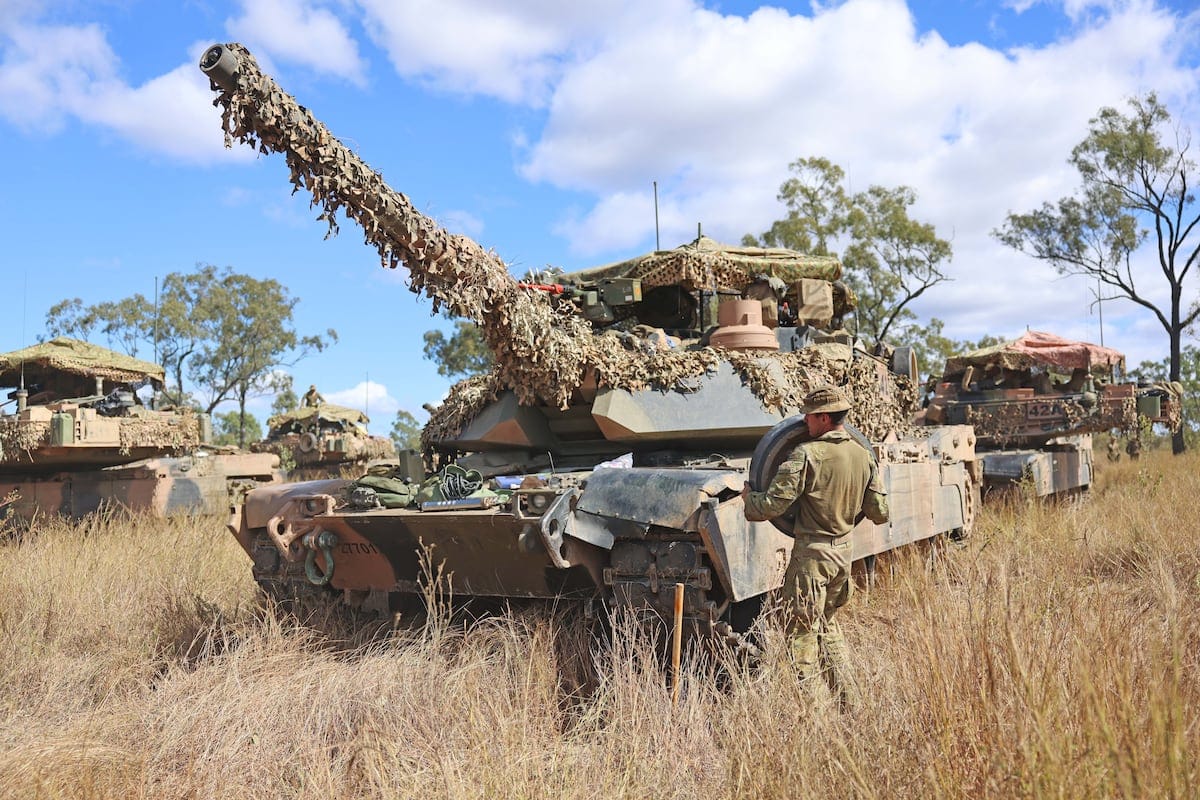
An Australian Army brigade is undergoing significant changes as it enhances its armored capabilities. This transition is expected to increase the formation's fuel consumption drastically, with projected needs soaring to 300,000 liters of diesel per day during high-intensity operations, compared to the previous requirement of 40,000 liters. The uptick in fuel demand reflects the brigade's shift towards a more mechanized and capable fighting force.
This escalation in fuel consumption highlights the logistical challenges that accompany the modernization of military units. As armored formations require a substantial amount of fuel to maintain operational readiness, the Australian Army must ensure that its supply chains are robust enough to meet these needs. The increased fuel usage may also necessitate a reevaluation of current infrastructure and support systems to sustain extended operations. Analysts will be watching how the Australian Army adapts its logistical frameworks in response to these demands.
Implications for Operational Readiness
The implications of this fuel requirement surge are significant for both operational planning and strategic readiness. As the Australian Army prepares for potential high-intensity engagements, the ability to sustain operations with adequate fuel supplies will be critical. This situation raises the question of whether additional measures, such as enhanced fuel storage capacities or streamlined supply chains, will be implemented to mitigate risks associated with logistical vulnerabilities during extended operations.
Moreover, the shift towards more armored capabilities and the associated increase in fuel consumption may influence defense budgeting and resource allocation within the Australian military framework. As military engagements evolve, understanding and adapting to logistical demands will be essential for maintaining combat effectiveness in future scenarios.
Sources: Defensenews, Defense News, army.mil, RAND, and Defense Update