B-52 Fleet Readiness Issues Complicate AGM-181A Testing

Current Challenges Facing the B-52 Fleet
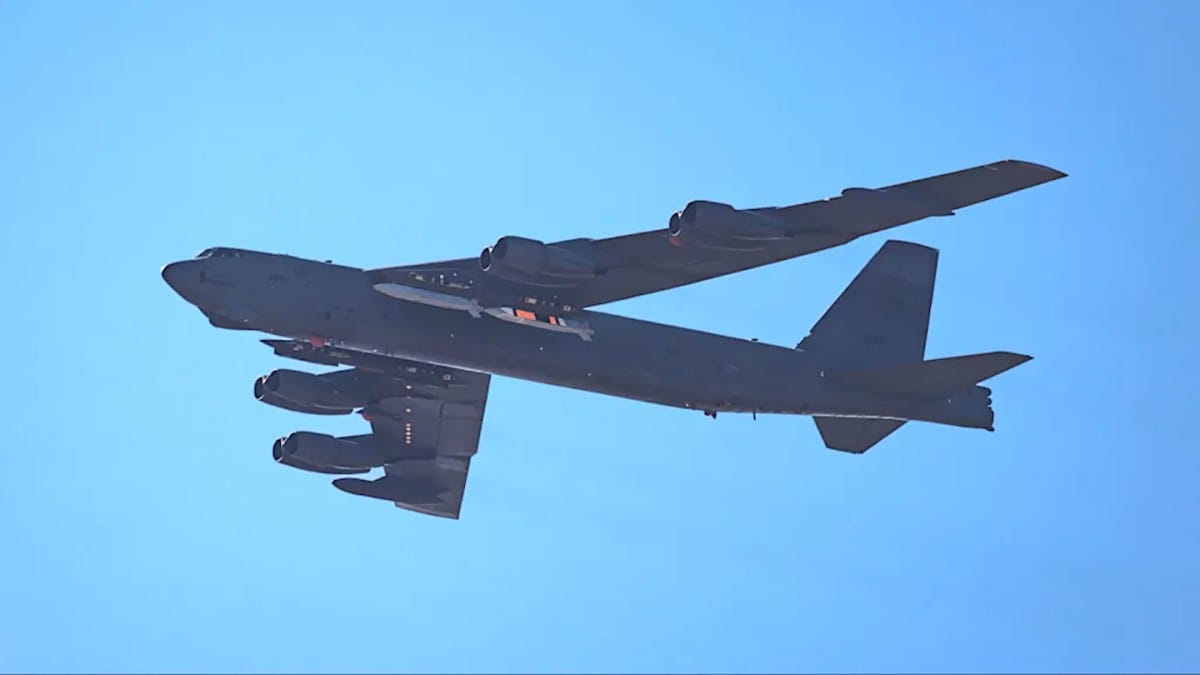
The B-52 fleet is facing significant readiness challenges that are impacting the testing of the new AGM-181A nuclear cruise missile. This situation arises amid a high operational demand for the aircraft, which has coincided with a tragic loss affecting the fleet's overall capability. The urgency for upgrades to the B-52 is becoming increasingly evident as these aircraft play a critical role in the United States' strategic defense posture.
Implications for Future Operations
The current state of the B-52 fleet raises concerns regarding the timeline and efficiency of integrating the AGM-181A missile system. With the B-52 already in high demand for various missions, including deterrence and combat operations, the need for upgrades is essential to ensure that the aircraft can effectively support future nuclear capabilities. Inadequate readiness levels could hinder testing and operational deployment of new systems, ultimately affecting the United States' nuclear deterrent strategy.
Furthermore, the tragic loss within the B-52 fleet adds a layer of urgency to this matter, as it not only reduces the number of operational aircraft but also impacts morale and logistical planning for current and future missions. This situation necessitates immediate attention from military leadership to address both the upgrades needed and the testing challenges posed by the current fleet's limitations.
Understanding the implications of these readiness issues is crucial for defense planners. As the integration of the AGM-181A progresses, analysts will be watching closely to see how the B-52 upgrades will be prioritized and funded. The readiness of this fleet not only influences the immediate operational landscape but also shapes the long-term effectiveness of the U.S. nuclear deterrent.
Sources: Twz, MiGFlug, RealClearDefense, and Defense Feeds