Belarus Initiates Military Conscription Amid Heightened Tensions

Overview of the Conscription Initiative
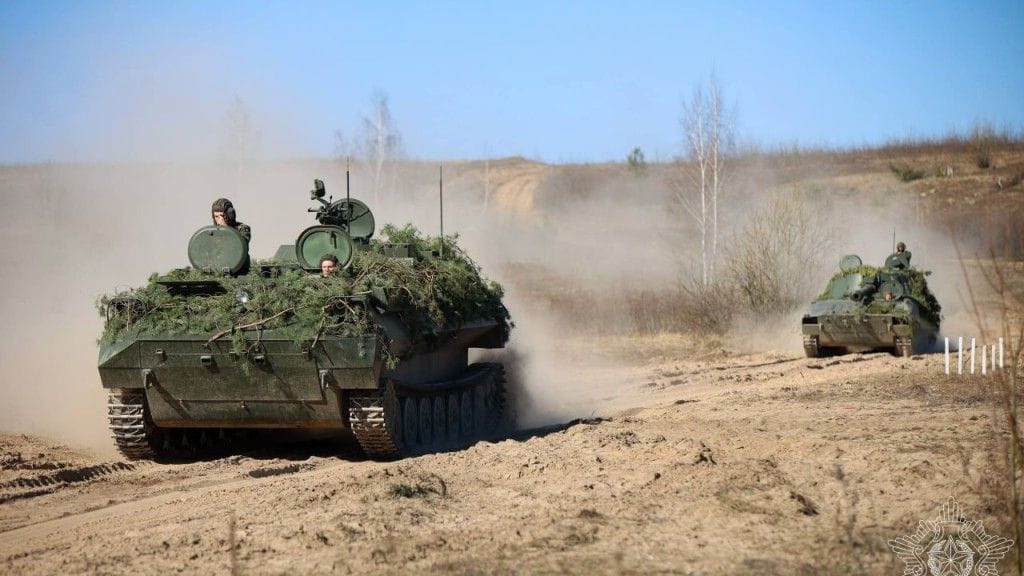
A new military conscription effort has officially commenced in Belarus, with plans to draft a significant number of soldiers into service. This initiative is aimed at bolstering the nation’s military capabilities amid ongoing regional tensions. Details regarding the exact number of conscripts and their deployment locations are still emerging, but the government has indicated that this mobilization is a response to the current geopolitical landscape.
Context and Analysis
The decision to implement conscription in Belarus aligns with a broader trend of military readiness in Eastern Europe. Analysts note that this move may be influenced by Belarus' strategic partnerships and its position in relation to neighboring countries, particularly amid ongoing conflicts in the region. The draft could serve to reinforce Belarusian forces, especially if tensions escalate further.
In addition, this conscription could reflect internal political dynamics, as President Alexander Lukashenko seeks to maintain control and demonstrate military strength. The implications of this conscription could extend beyond Belarus, potentially affecting military postures in surrounding nations and prompting responses from NATO and other regional actors. The exact structure of the newly conscripted forces and their training will be crucial in assessing their operational readiness.
Why It Matters
The commencement of military conscription in Belarus raises significant concerns for regional stability. As the situation develops, analysts will be closely monitoring how many soldiers are ultimately mobilized and where they will be assigned. The potential for increased military presence in the region could lead to heightened tensions, necessitating a reassessment of defense strategies by neighboring countries and international organizations. Understanding the motivations behind this conscription and its ramifications will be essential for anticipating future developments in Eastern European security.
Sources: Defence24, Military.com, Defense News, The Guardian, and Caspian News