Boeing Faces $565 Million Loss on KC-46 Program as Company Anticipates Contract Revaluation

Boeing’s KC-46 Program Faces Challenges Amid Financial Struggles
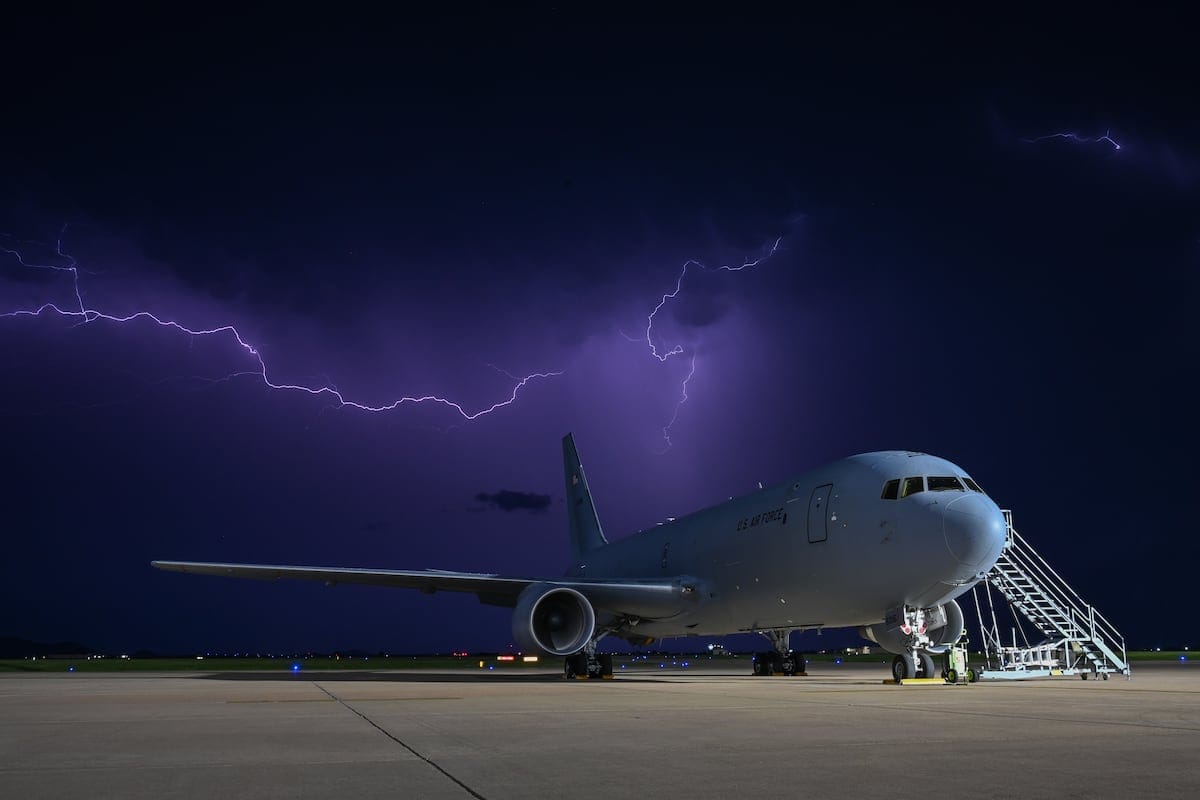
Boeing has confronted a significant setback in its KC-46 Pegasus aerial refueling program, reporting a $565 million loss for the fourth quarter of 2025. This marks yet another chapter in a series of financial difficulties that have plagued the program, which has amassed losses exceeding $8 billion since its inception.
Operational Outlook and Executive Commentary
During a recent earnings call, CEO Kelly Ortberg characterized the reported loss as “disheartening,” yet remained optimistic about the operational efficacy of the KC-46. According to Ortberg, recent performance metrics suggest a potential turnaround. He emphasized the importance of maintaining this positive trend to fulfill customer delivery commitments and to fortify Boeing’s positioning for future contracts beyond the current program of record.
Key Takeaways from the Earnings Call:
- Positive Customer Engagement: The U.S. Air Force’s recent acquisition of an additional 15 KC-46 units is viewed as a favorable indicator, contributing to Boeing Defense, Space & Security’s $15 billion worth of orders for the quarter.
- Supply Chain Challenges: Elevated supply chain and production support costs at Boeing’s Everett, Washington facility were cited as primary drivers of the recent financial losses.
Cost Dynamics and Future Investments
The preponderance of losses was attributed to increased expenses associated with the 767 airframe, which underpins the KC-46 design. Ortberg clarified that these costs are isolated to the tanker program and do not adversely affect Boeing’s other defense initiatives.
However, CFO Jay Malave highlighted that some of the heightened production support expenses reflect investments aimed at augmenting quality and engineering processes. Notably, the rate of rework required in the latter half of 2025 saw a 20% reduction, indicating gradual progress.
Strategic Financial Management:
- Long-term Sustainability: Malave expressed the necessity of persistent investment in quality control to stabilize production capabilities and improve prospects for future contracts.
- Delivery Assurance: Ortberg acknowledged the Defense Department’s close oversight of supply chain performance, insisting that Boeing must continue to allocate resources effectively to uphold high standards.
Implications for Future Contracts
The significance of meeting delivery timelines cannot be understated, especially as the Air Force has opted for sole-source procurement of KC-46s until a next-generation tanker enters the market. The internal challenges associated with the KC-46 program will not only impact immediate contract fulfillment but will also shape Boeing’s future engagements with the Defense Department.
Looking ahead, Ortberg affirmed that Boeing expects to gain clarity on the cost structure of forthcoming KC-46 orders by fall. The lessons learned from the previous contract—a situation characterized as a “bad contract” over the past ten years—emphasize the firm’s commitment to ensuring equitable terms that allow for profitability moving forward.
Considerations for Future Strategy:
- Focus on Contractual Viability: As Boeing enters negotiations for subsequent KC-46 batches, a critical focus will be on establishing well-defined cost estimates to avoid the pitfalls of previous agreements.
- Market Positioning: Ortberg’s comments underscore a strategic pivot to enhance Boeing’s competitiveness in the defense contracting space, especially under the scrutiny of the Pentagon.
In summary, while Boeing faces daunting challenges with its KC-46 Pegasus program, strategic innovations and a refocused approach to quality and cost management may signal a pathway toward recovery and sustained contractual growth. As the defense landscape evolves, adapting to these dynamics will be crucial for Boeing’s future success.