Boeing's Autonomous Flight Technology: A Milestone for the CH-47 Chinook

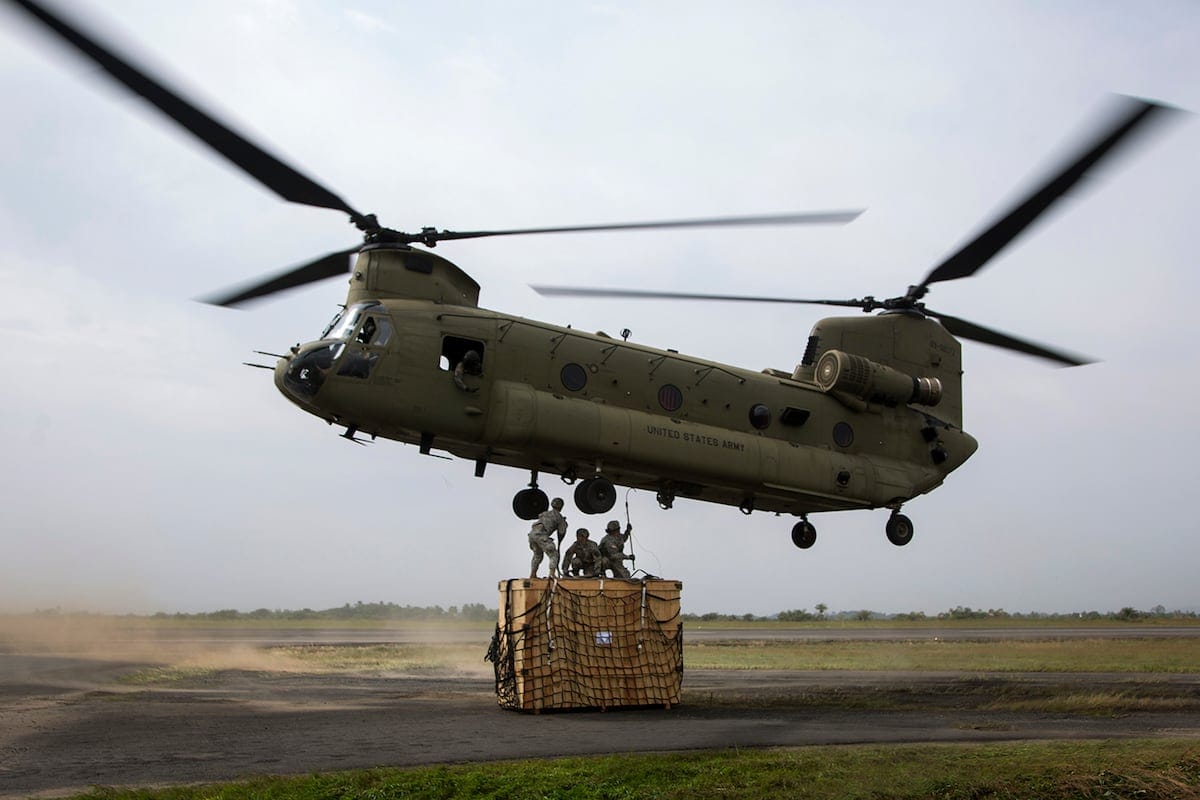
Boeing has achieved a significant advancement in aviation technology by successfully guiding an Army CH-47 Chinook helicopter to land autonomously without any pilot control. Utilizing its A2X software, Boeing executed this remarkable flight test, marking a potential shift in how military operations could utilize aerial assets.
What happened
In a recent demonstration, a Boeing flight control system enabled a CH-47F Chinook to complete a landing without any pilot input. This event represents the first time a Chinook has conducted such a maneuver autonomously. The successful execution of this test highlights Boeing's commitment to integrating advanced technology into military aviation.
The strategic calculus
The implications of this technology extend beyond mere operational efficiency. With autonomous landing capabilities, the Chinook could enhance mission flexibility and reduce risks associated with human error. Key considerations include:
- Operational efficiency: Reduced pilot workload during critical phases of flight, potentially allowing for more complex missions.
- Safety enhancements: Minimization of accidents caused by pilot fatigue or error, especially in challenging environments.
- Cost reduction: Potential decrease in training time for pilots and increased aircraft availability.
What comes next
As Boeing continues to refine its autonomous systems, analysts will be watching how these advancements may influence future military contracts and the broader defense landscape. The successful autonomous landing of the Chinook raises the question of:
- What further capabilities can be developed to enhance the operational readiness of helicopters?
- How will military branches adapt their training and operational protocols to integrate this technology?
The evolution of such autonomous systems could reshape the roles of pilots in military aviation, leading to a reevaluation of personnel requirements and training methodologies.
Sources: Defensenews, Thedefensepost, Avgeekery.com, Boeing, Defense News, and Interesting Engineering