
Boeing's F-47: A Shift in 6th Generation Fighter Design

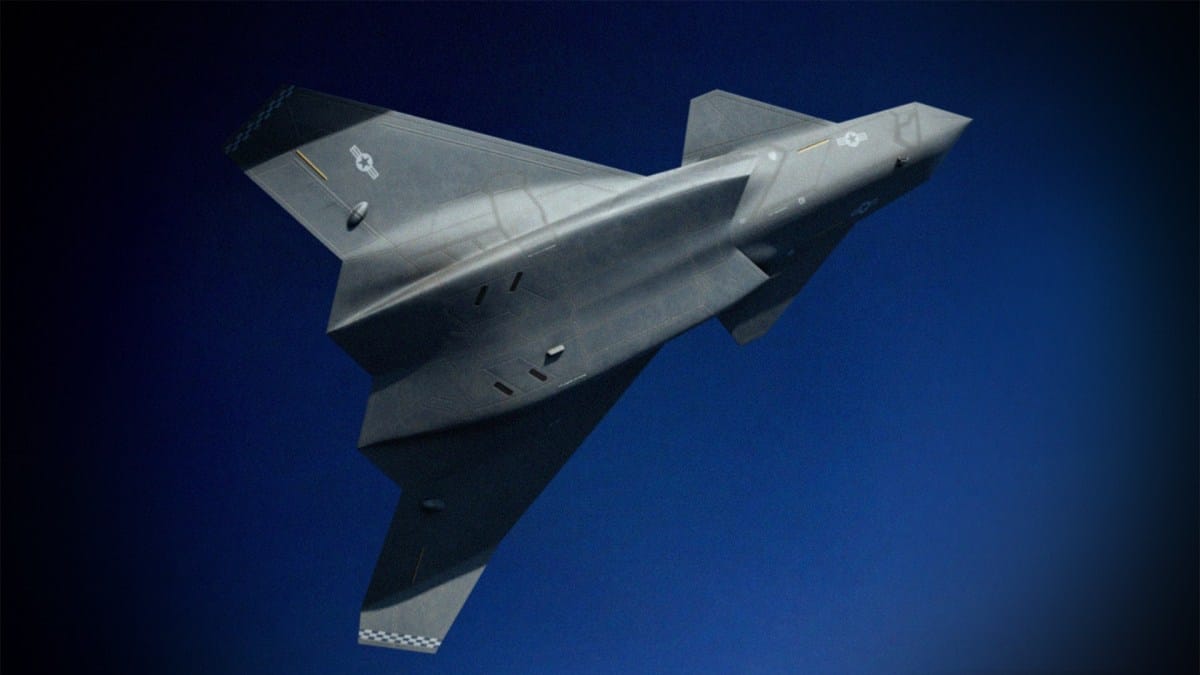
Examining the F-47's Unique Design Approach
The Boeing F-47, a contender in the 6th generation fighter category, presents a striking divergence from conventional design expectations. Traditionally, many 6th generation concepts lean towards tailless delta configurations, which are also being pursued by China. However, Boeing has opted for an alternative design paradigm that sets the F-47 apart in both aesthetics and functionality.
This shift in design philosophy invites analysis regarding Boeing's strategic objectives and the operational capabilities they aim to enhance with the F-47. The decision to move away from a tailless delta form may reflect a desire to incorporate advanced technologies that allow for improved agility, stealth, and multi-role versatility. By prioritizing different aerodynamic characteristics, Boeing could be positioning the F-47 to better meet the evolving demands of future aerial combat scenarios.
Why It Matters
The implications of Boeing's design choice for the F-47 extend beyond its immediate aesthetic appeal. Analysts will be watching how this unique configuration influences the aircraft's performance parameters compared to its competitors. As nations increasingly invest in advanced fighter technology, the F-47's design may signal a new trend in 6th generation aircraft, potentially reshaping aerial warfare strategies and tactical applications. The outcome of this innovation could have profound effects on global air superiority dynamics.
Sources: Twz, MiGFlug, Simple Flying, and 19FortyFive