Indonesia Approves BrahMos Supersonic Cruise Missile Deal with India to Enhance Maritime Deterrence

Indonesia’s Strategic Acquisition of BrahMos Missiles: Implications and Context
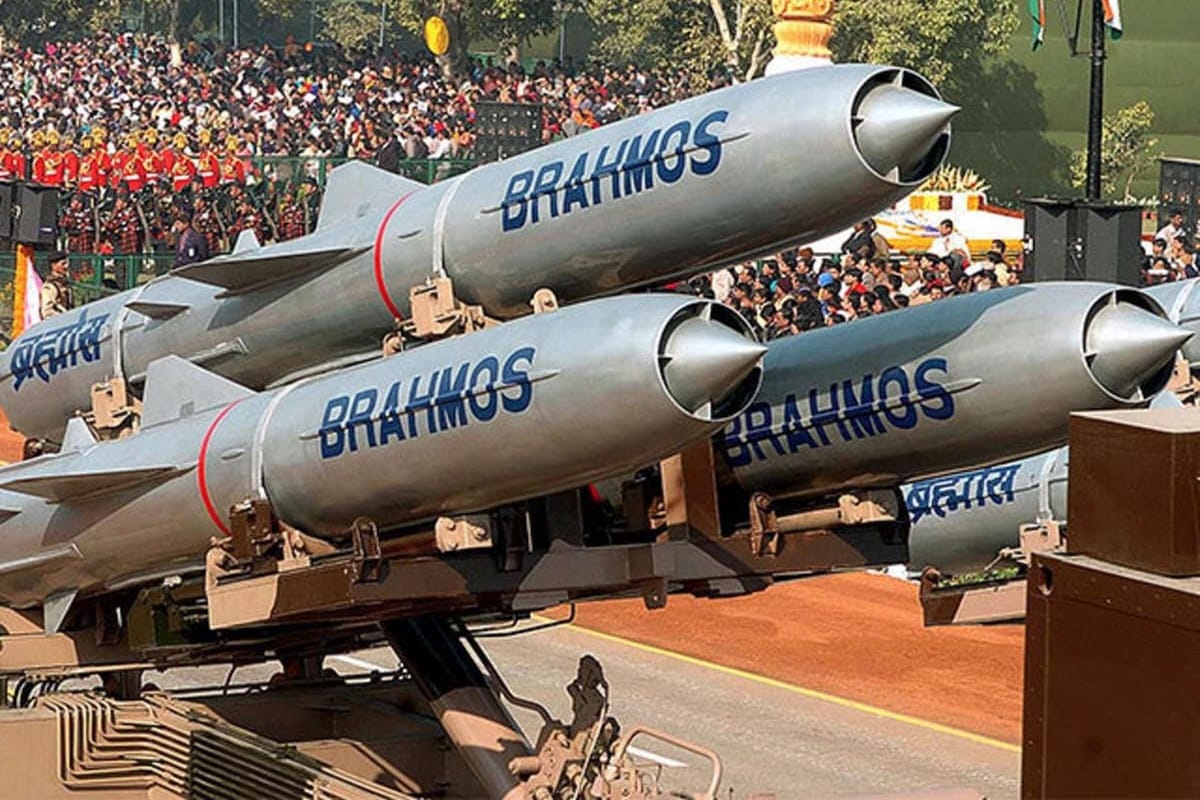
On March 9, 2026, Indonesia formally announced its agreement with India to procure the BrahMos supersonic cruise missile system, marking a pivotal advance in Jakarta’s maritime defense strategies. This acquisition not only enhances Indonesia’s coastal deterrence capabilities but also signifies a notable expansion of India’s defense export presence in Southeast Asia.
Details of the Agreement
The procurement agreement is a critical component of Indonesia’s broader military modernization efforts, particularly within the maritime sector. While the specific financial terms were not disclosed, earlier reports indicated that negotiations in 2023 involved a projected package valued between $200 million and $350 million. Previously, uncertainties persisted as Indonesian officials noted that formal contracts were still pending, especially while evaluating both shore-based and ship-mounted missile configurations. The current announcement denotes a transition from tentative considerations to an officially confirmed procurement initiative.
BrahMos System Specifications
The BrahMos missile is engineered as a high-velocity precision strike weapon, optimized for the rapid engagement of both maritime and selected land targets. Key characteristics include:
- Speed and Range: Capable of reaching speeds of approximately Mach 2.8, with a reported operational range of up to 290 kilometers.
- Flight Profile: Equipped with a two-stage system featuring a solid-propellant booster for launch and a liquid ramjet for sustained velocity.
- Deployment Flexibility: Can be launched from various platforms, including land, sea, and undersea configurations via transport-launch canisters.
- Warhead Capacity: Features a conventional warhead of up to 200 kilograms and various flight path capabilities.
This system is a significant asset for any nation tasked with surveillance and defense over extensive coastal territories, as its speed compresses reaction times for potential adversaries.
Tactical and Strategic Context
For Indonesia, acquiring the BrahMos enhances its capability to safeguard an extensive maritime domain characterized by numerous straits and vulnerable approaches. Although the specifics of the acquisition package remain unconfirmed, previous discussions regarding both shore-based and ship-mounted missiles suggest a comprehensive strategy aimed at improving coastal defense and maritime deterrence capabilities.
- Shore-Based Integration: A land-based BrahMos missile system can deter hostile naval forces from a strategic distance, thus fortifying Indonesia’s coastal environment.
- Naval Integration: Implementing the missile on ships will augment the operational range of Indonesian naval forces, enabling them to project power across critical maritime routes.
Regional Implications
While Indonesia does not assert a formal claim in the South China Sea dispute, tensions in the Natuna region have underscored the necessity for enhanced maritime enforcement capabilities. Recent confrontations with Chinese vessels further heighten the importance of Indonesia bolstering its defensive posture. The BrahMos acquisition serves as a proactive measure to enhance Indonesia’s maritime security dynamic, allowing for a credible deterrent aligned with its strategic interests.
India’s Defense Diplomacy
From India’s perspective, this agreement signifies a critical milestone in its defense diplomacy and export strategy. The Indonesian deal follows the sale of BrahMos missiles to the Philippines, further establishing India’s presence in the Southeast Asian military market. This dual achievement indicates a growing trend in transforming defense production into an instrument of international relations and regional influence.
- Diversified Procurement: This acquisition illustrates the Indo-Pacific trend towards collaborative defense frameworks that reduce reliance on singular supplier relationships, reflecting a more diversified approach to military modernization.
Conclusion
Indonesia’s decision to procure the BrahMos missile symbolizes a significant evolution in its maritime defense framework. By transitioning from preliminary discussions to a formal agreement, Jakarta is articulating its commitment to elevating its naval capabilities with advanced, long-range strike options. As one of the key players situated amid vital maritime routes, Indonesia’s integration of the BrahMos system will materially impact regional security dynamics, compelling potential adversaries to reconsider their strategies in light of enhanced Indonesian maritime deterrence powered by a world-class supersonic missile system. Source link