British Royal Air Force F-35B Fighter Jet Downs Two Hostile Drones in First Combat Engagement

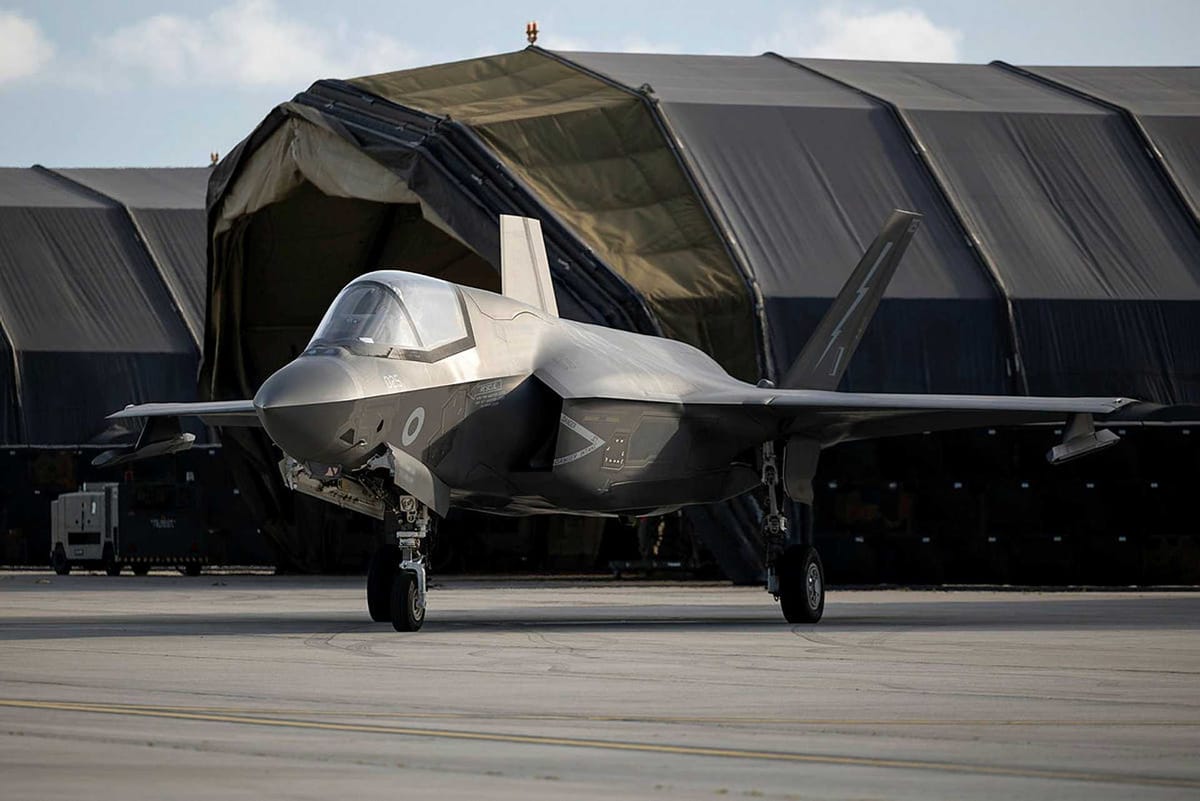
Operational Milestone for the UK F-35B Lightning II
A recent engagement involving the British Royal Air Force (RAF) F-35B Lightning II fighter jet represents a significant advancement in the United Kingdom’s combat capabilities. During a coalition air defense operation over Jordan, the stealth aircraft successfully intercepted and neutralized two hostile unmanned aerial vehicles (UAVs), marking the UK’s first confirmed operational combat kill using its fleet of fifth-generation fighters. This incident underscores the evolving role of stealth technology in contemporary military operations, particularly in the Middle East.
Tactical Context
On March 6, 2026, while participating in a mission alongside two Typhoon fighters from RAF Akrotiri in Cyprus, the F-35B pilot identified two unconventional aerial threats detected via radar in coalition airspace. Upon confirming hostile intent in a crowded operational environment, the F-35B engaged the drones with two Advanced Short Range Air-to-Air Missiles (ASRAAM), eliminating both threats.
- Engagement Details:
- Aircraft: F-35B Lightning II
- Munitions Used: ASRAAM missiles
- Outcome: Successful interception of hostile drones
This engagement affirms the necessity of stringent identification protocols due to the complexity of coalition airspace. A squadron tactics instructor remarked on the critical importance of maintaining strict target confirmation standards to mitigate the risk of misidentification and ensure effective engagements against adversarial UAVs.
Importance of Advanced Technologies
The operational success of the F-35B can be attributed to its sophisticated suite of capabilities:
- AN/APG-81 AESA Radar: Enhances target detection and improves engagement ranges.
- Distributed Aperture System (DAS): Provides comprehensive situational awareness by delivering a 360-degree view of the operational environment.
- Sensor Fusion Architecture: Integrates data from multiple sensors, enabling swift target recognition and effective threat management, crucial for countering low-signature aerial systems.
The application of ASRAAM enhances the aircraft’s short-range combat effectiveness, particularly when confronting maneuverable UAVs. Combined with the advanced situational awareness provided by the F-35B’s helmet-mounted display system, the pilot can respond rapidly to emerging threats.
Regional Operations and Coalition Synergy
This interception is part of the RAF’s broader commitment to regional air defense operations. The engagement took place amidst heightened alert conditions following a prior drone incident at RAF Akrotiri, where an intruding small drone had previously evaded detection and approached the base. Such incidents emphasize ongoing challenges in identifying low-speed, low-observable aerial threats.
- Coalition Defense Measures:
- Usage of multi-role fighters like the F-35B to enhance aerial defense capabilities.
- Cross-platform synergy with Typhoon fighters and Voyager refueling aircraft, demonstrating a layered approach to offensive and defensive operations.
In addition, the RAF’s counter-drone initiatives were evident, as an RAF Regiment unit reportedly neutralized additional hostile UAVs in Iraqi airspace. Another Typhoon successfully intercepted an Iranian drone aimed at coalition positions, highlighting the persistent threats posed by regional actors employing UAVs in asymmetric warfare strategies.
Strategic Implications
The implications of this successful engagement transcend operational outcomes; they signal a pivotal development in the UK’s F-35 program. The integration of the F-35B into active combat roles solidifies its status as a versatile asset not only in traditional air superiority missions but also in counter-UAV operations.
- Key Points:
- First combat kill provides validation for the operational capability of the F-35B.
- Reaffirmation of the platform’s role in the UK’s carrier strike and expeditionary airpower strategy.
- Enhances the UK’s capability to address increasingly complex threats in an era of contested airspace.
The RAF’s readiness and vigilance remain high following recent drone encounters, as operational tempo is maintained to ensure continuous support for coalition missions across the region.
Conclusion
The successful interception of hostile drones by the F-35B Lightning II illustrates a significant transformation in modern air warfare. Multi-role stealth fighters are now essential in responding to evolving threats, such as small UAVs that challenge traditional air defense mechanisms. This event reinforces the UK’s commitment to maintaining regional stability while leveraging advanced technologies in its defense strategy. The F-35B’s growing operational role reaffirms its importance in the UK’s military arsenal as conflict dynamics continue to shift in the Middle East.