Canada Announces Nearly $13 Billion Investment in Military Helicopters

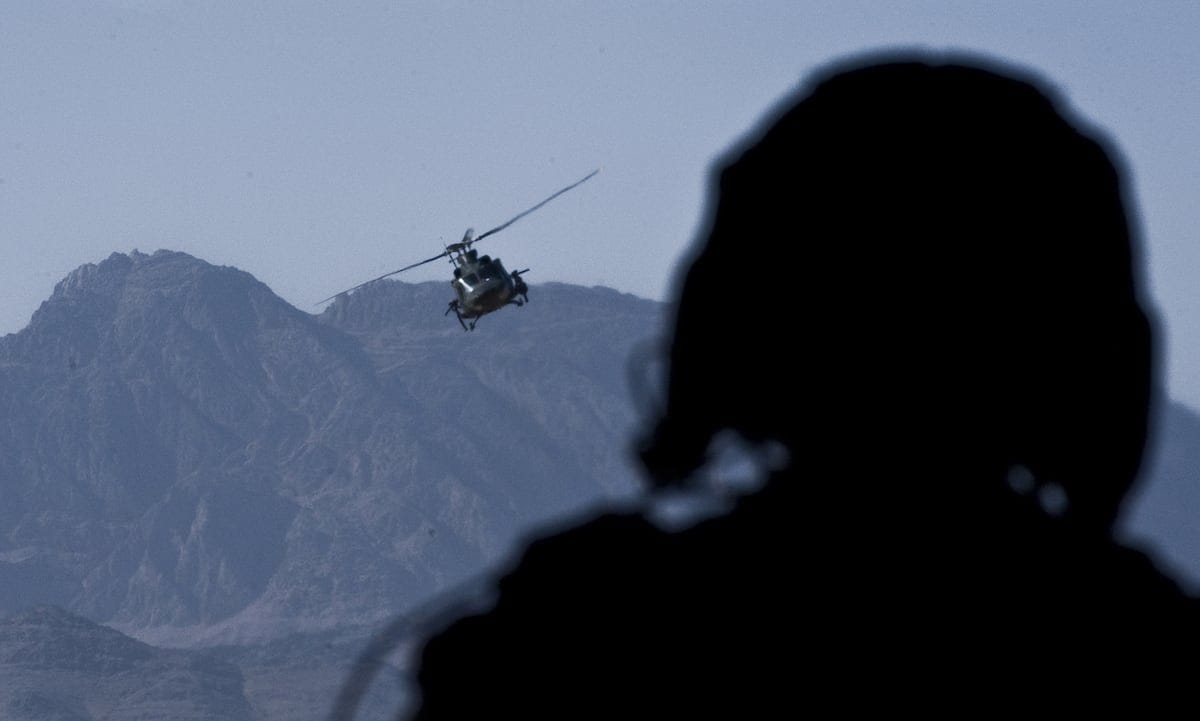
Canada’s Ambitious Helicopter Acquisition: The Next Tactical Aviation Capability Set (nTACS)
In an exciting development for the Canadian military, plans are underway to enhance the country’s rotary aircraft capabilities significantly. This summer, discussions are expected to commence with industry players regarding the acquisition of a new helicopter fleet aimed at addressing existing gaps in firepower and mobility. This initiative is formally known as the Next Tactical Aviation Capability Set (nTACS) project, and it carries substantial implications for the Royal Canadian Air Force (RCAF), the Canadian Army, and Canadian special forces.
The Vision Behind nTACS
The nTACS project is poised to reshape how Canada executes its tactical aviation operations. According to Brigadier General Brendan Cook, Director General of Air and Space Force Development with the RCAF, this new capability aims to provide a joint operational capability across multiple military branches. The goal is not just to replace the aging CH-146 Griffon helicopters but also to revitalize Canada’s tactical aviation landscape. The focus will be on bridging gaps in crucial areas such as firepower, Command, Control, Communications, Computers, Intelligence, Surveillance, and Reconnaissance (C4ISR), mobility, and support for special operations forces.
Financial Commitment and Planning Timeline
Financially, the Canadian government has committed $12.9 billion (approximately CA $18.4 billion) to this project. While detailed cost breakdowns have yet to be made public, the ambitious nature of the nTACS has already garnered attention. The project is currently in the options analysis phase, and more substantial engagements with industry stakeholders are anticipated in the coming months.
Department of National Defence spokesperson Kened Sadiku has indicated that while timelines for soliciting industry bids are still being finalized, initial operational capabilities for nTACS are expected by 2033. This timeline reflects a long-term vision of fortifying Canada’s aerial defense and offensive capabilities.
Current Fleet and Future Upgrades
As a transitional measure, the nTACS initiative will overshadow the existing fleet of 82 CH-146 Griffon helicopters. These aircraft, based on the Bell 412EP model, have served Canada well. However, the nTACS is designed to bring a more sophisticated air mobility solution that can more effectively address modern operational challenges.
In conjunction with nTACS, Canada is not neglecting its current assets. Plans are also in motion to upgrade the existing fleet of CH-147F Chinook helicopters. This mid-life upgrade project aims for initial operational capabilities by 2032 and full operational capability by 2033, ensuring that Canada’s heavy lift capabilities remain robust amid new developments.
Expertise and Modernization Efforts
The modernization of the CH-146 fleet is also progressing, with Bell Textron Canada Limited awarded a significant contract worth $560 million (CA $800 million). This initiative aims to extend the service life of the Griffon fleet and incorporates vital upgrades to avionics systems, including modern communications radios, flight control systems, and navigation technologies. With these upgrades, the CH-146 Griffon fleet is set to remain operational until at least 2031, with full operational capability targeted for 2027.
The first successful flight of a modernized CH-146 has already been reported, showcasing Bell Textron’s commitment to timely delivery and military certification requirements. The first of these upgraded aircraft is expected to be delivered to the Canadian government by 2026, marking a significant milestone in enhancing Canada’s vertical lift capabilities.
Future Considerations and Basing Decisions
As discussions evolve regarding the nTACS, there are multiple considerations to keep in mind. While Sadiku has refrained from divulging specifics about where the nTACS helicopters will be based, he noted that this decision will be informed by the options analysis underway. The analysis aims to examine various market options and platform capabilities to ensure the best possible outcomes for Canada’s tactical aviation needs.
Ultimately, the nTACS project typifies Canada’s proactive approach to modernizing its military capabilities in an increasingly complex global security landscape. As preparations move forward, the expectation is that these efforts will significantly enhance the country’s operational readiness, ensuring that Canadian forces can effectively fulfill their missions both at home and abroad.