Canada could utilize EU loans for next-generation warplane and submarine acquisitions.

Canada Joins European Defense Initiative: Implications for National Procurement
Overview
In a notable development for international defense collaboration, Canada has become the inaugural non-EU member of the Security Action for Europe (SAFE) program. This significant move is poised to enhance Ottawa’s defense capabilities, specifically in the areas of fighter jet and submarine acquisitions.
Agreement Details
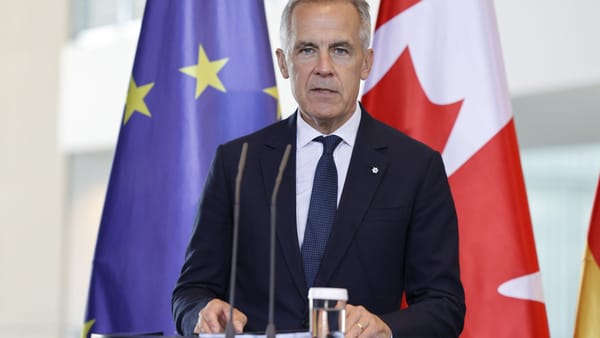
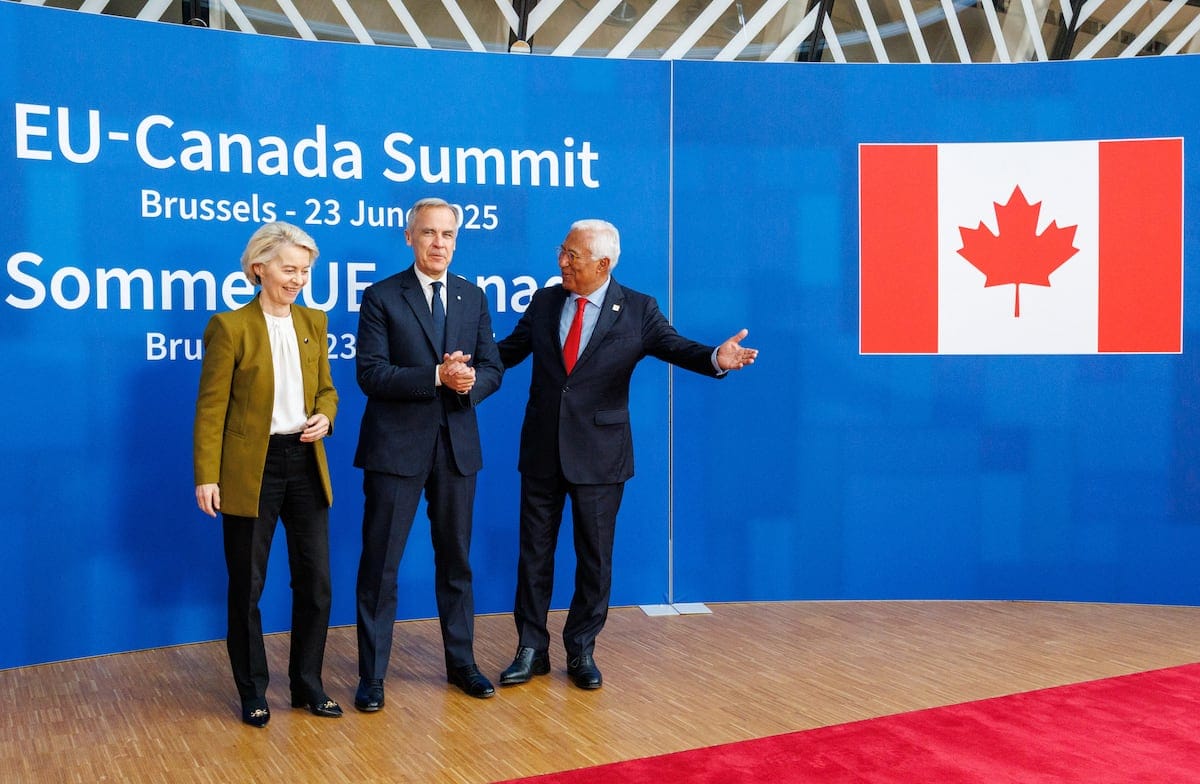
Prime Minister Mark Carney announced the successful negotiation for Canada’s integration into the EU’s €150 billion initiative aimed at facilitating joint military procurement efforts to improve readiness. The participation is expected to generate considerable financial opportunities for Canadian enterprises and attract a steady stream of suppliers for the Canadian Armed Forces. Carney stated, “Participation in SAFE will unlock billions of dollars in potential defense opportunities for Canadian businesses, attract new reliable suppliers for our Armed Forces, and open massive new opportunities for national manufacturers to build and export Canadian-made capabilities.”
Current Procurement Landscape
Canada is currently assessing its next-generation fighter jet procurement strategy. While it has reserved funding for 16 initial Lockheed Martin F-35 fighters, the government is also contemplating a mixed fleet approach that includes the Swedish Gripen as a viable alternative.
Negotiation and Bilateral Agreements
As details surrounding Canada’s role in SAFE are finalized, Ottawa and the EU are engaged in discussions to ratify a bilateral agreement. This agreement aims to streamline processes and potentially exempt Canada from certain regulatory constraints. Notably, SAFE stipulates that no more than 35% of a project’s component costs can derive from outside the EU, the European Economic Area, or Ukraine for eligibility to receive funding. However, participating countries can augment their engagement through a financial contribution, which would afford them enhanced access to opportunities.
Financial Considerations
The exact financial commitment from Canada remains undetermined. It is unclear whether the entry fee will be a singular payment or tied to future procurement obligations. This ambiguity echoes recent challenges faced by the United Kingdom in negotiations to join SAFE, where disagreements over financial contributions resulted in stalled talks. The EU had proposed funding commitments ranging from €4 billion to €6.5 billion, while the UK’s offer was confined to only €200 million to €300 million.
Future Capabilities and Collaborations
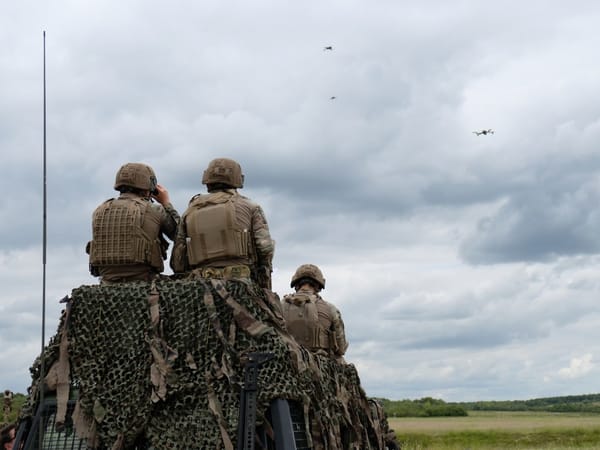
With substantial procurement initiatives on the horizon, experts like Roger Hilton, a Canadian defense fellow at GLOBSEC in Bratislava, suggest that SAFE funding could extend to advanced fighter aircraft, conventional submarines, and systems for maritime surveillance. Anticipated areas for future exploration by Canada also include:
- Unmanned Aerial Vehicles (UAVs)
- Anti-submarine Warfare capabilities
- Secure Satellite Communication Systems
Moreover, SAFE mandates collaborative projects involving at least two partners, typically consisting of two member states or one member nation in conjunction with Ukraine or an EFTA/EEA country. This requirement positions Canada to collaborate with various European partners who share strategic priorities, especially regarding Arctic security and North Atlantic defense initiatives.
Preferred Partnership Landscape
Hilton notes that Canada will likely gravitate toward nations with robust aerospace and naval industries. Key candidates include:
- France
- Germany
- Italy
- Sweden
- Spain
These countries possess significant industrial capacity, design authority, and consortium models favored by SAFE, enhancing potential collaboration.
Strategic Implications
Canada’s entry into the SAFE initiative heralds a new era of trilateral and multilateral defense procurement efforts that promise to bolster both national and collective security objectives. The implications of this collaboration will extend beyond defense capabilities, fostering stronger ties between Canada and European nations in an evolving geopolitical landscape.