Canada Signals Interest in Joining GCAP Sixth-Gen Fighter Program

Canada's Strategic Shift in Defense Partnerships
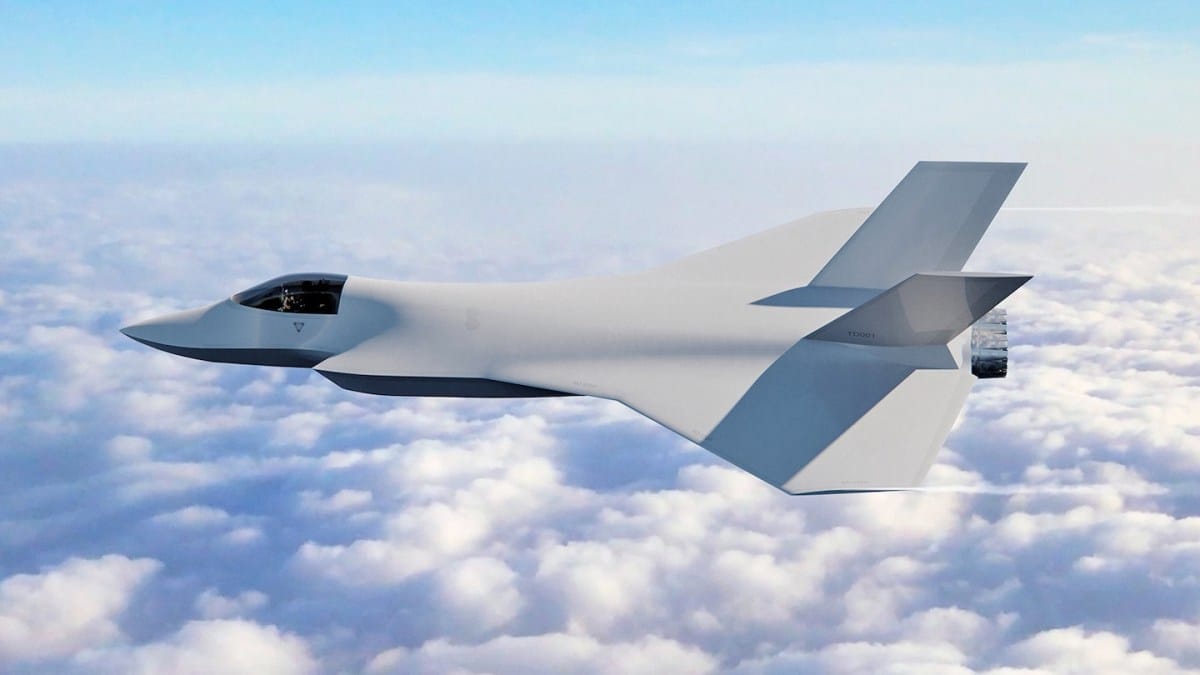
In a notable development, Canada has expressed interest in joining the Global Combat Air Programme (GCAP), a sixth-generation fighter program. This move comes as Ottawa is considering the possibility of splitting its future fighter fleet while also seeking to broaden its defense partnerships beyond the United States. The implications of this interest could reshape Canada's defense landscape and its international military collaborations.
The Canadian government’s potential decision to participate in the GCAP reflects a broader strategy of diversifying defense capabilities and partnerships. Historically reliant on U.S. military systems, Canada's exploration of alternative alliances indicates a strategic pivot aimed at enhancing its sovereignty in defense matters. However, timing will be crucial, as the integration into the GCAP will require careful coordination with existing commitments and resources.
Why It Matters
This initiative raises the question of how Canada’s involvement in the GCAP could impact its existing relationships, particularly with U.S. defense entities. By expanding its partnerships, Canada may not only increase its operational flexibility but also contribute to a collaborative approach in developing cutting-edge military technology. Analysts will be watching how this shift influences Canada’s defense spending and its alignment with NATO objectives, as well as its ability to maintain interoperability with U.S. forces while pursuing independent capabilities.
Sources: Twz, Aerospace Global News, 朝日新聞, and Internazionale