Canada Strengthens Ties with Europe through Submarine Acquisition

Strategic Shift in Canadian Defense Policy
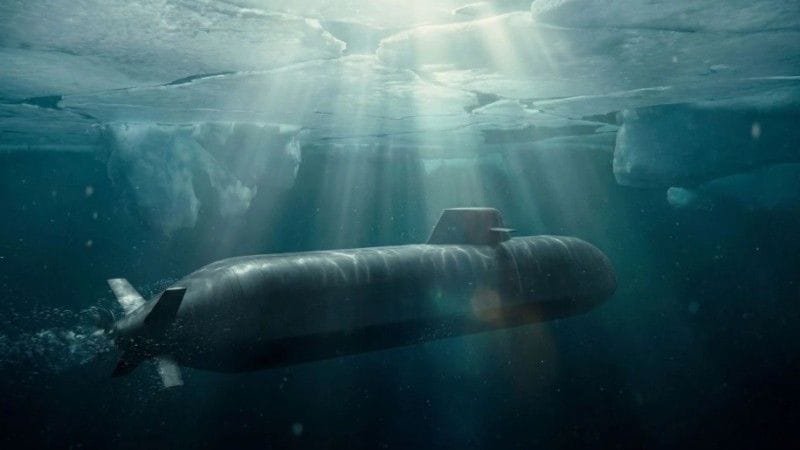
The recent decision by the Canadian government to select TKMS for the delivery of 12 new submarines to the Royal Canadian Navy marks a significant pivot towards European defense partnerships. This choice underscores a broader strategic alignment with European defense industries, particularly those of Germany and Norway, reflecting a shift in Canada's defense policy focus.
This development is indicative of Canada’s response to evolving global security dynamics, particularly in the Arctic region. As geopolitical tensions rise and the Arctic becomes increasingly contested, Canada appears to be reinforcing its naval capabilities to better protect its interests. The procurement of advanced submarines is expected to enhance Canada’s operational readiness and deterrent posture in these critical waters.
Implications for Regional Defense Collaboration
With this new procurement strategy, Canada is likely to enhance its collaboration with European allies, especially in joint maritime operations and intelligence sharing. The focus on submarines also points to a growing recognition of the importance of undersea warfare in modern conflict scenarios. As Canada strengthens its naval forces, the implications for North Atlantic security and defense cooperation could be substantial.
The emphasis on European defense partnerships signals a willingness to engage more deeply with NATO allies and could lead to increased interoperability among forces. This move raises questions about how Canada will balance its traditional ties with North American partners while deepening its connections in Europe.
In summary, the decision to procure submarines from TKMS not only reflects a tactical enhancement of Canada’s naval capabilities but also suggests a broader strategic reorientation towards European defense collaboration. Analysts will be watching closely to see how this shift influences Canada’s role within NATO and its overall security strategy in the Arctic region.
Sources: Defence24, Defence24.com, Asia Times, TWZ, and The Defense Post